
Last updated November 17, 2026
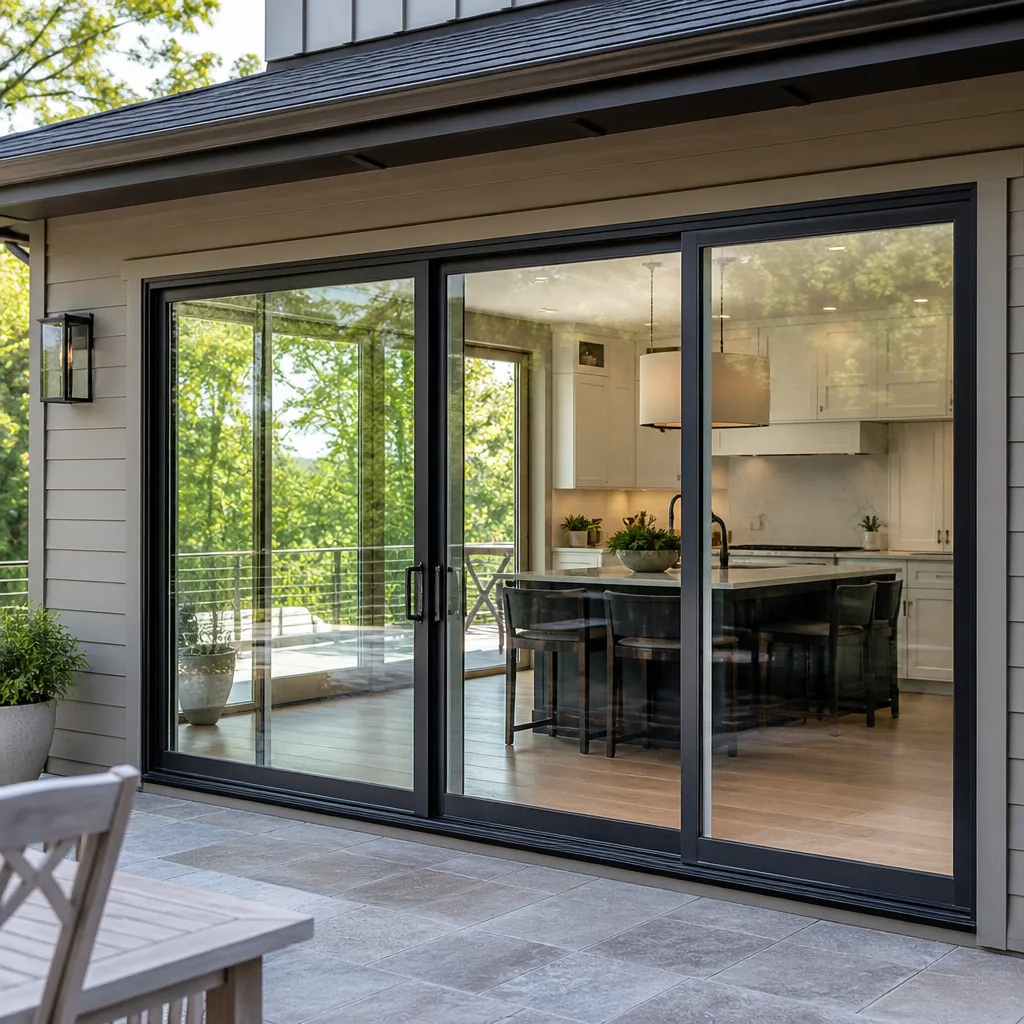 Sliding glass doors
 Single hung
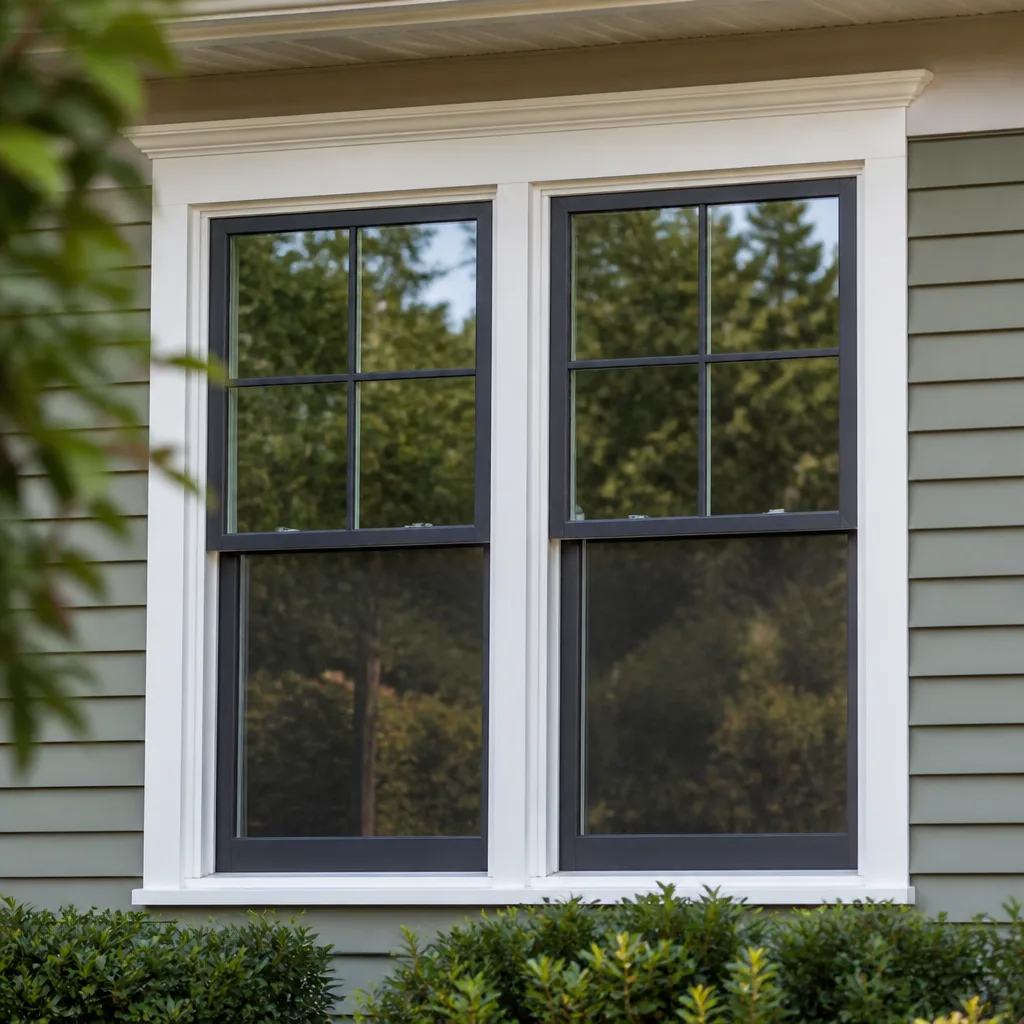 Double hung
 Horizontal roller
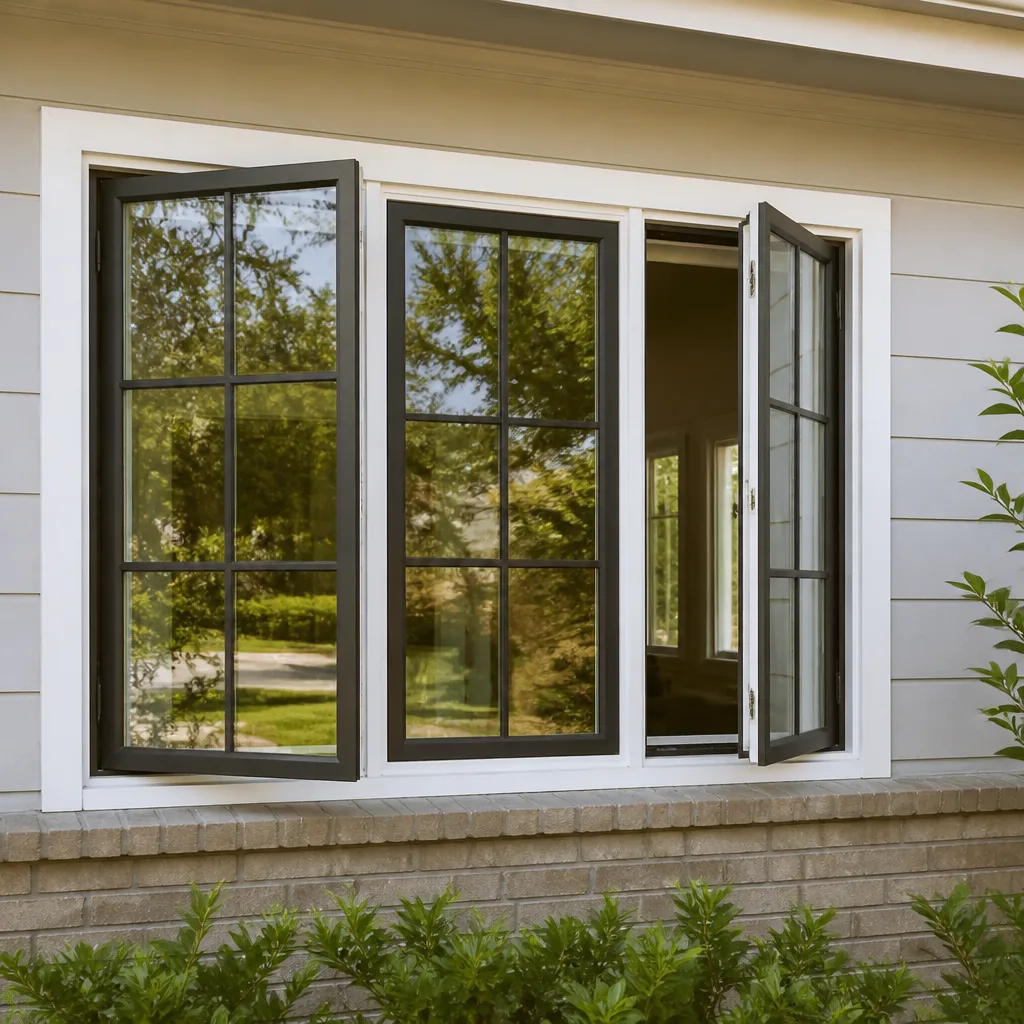 Casement
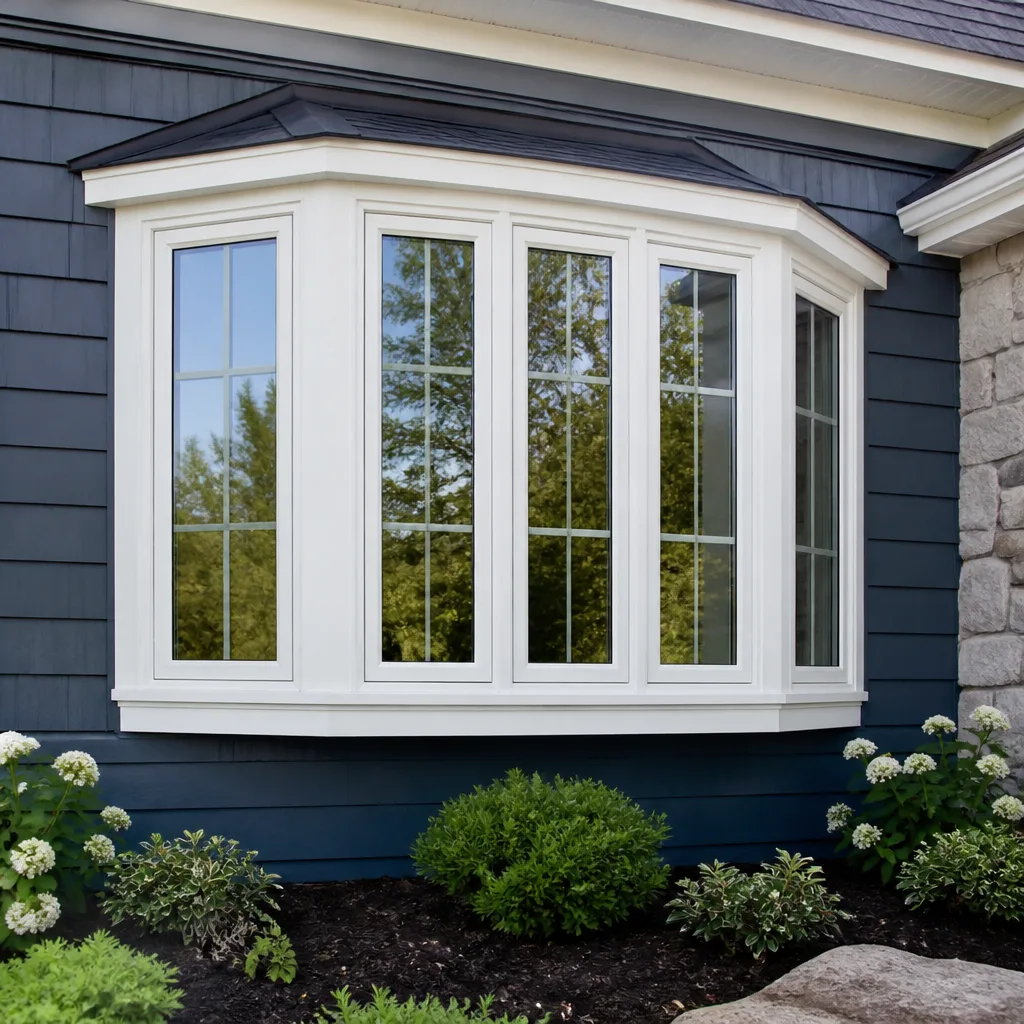 Bay & bow
 Entry doors
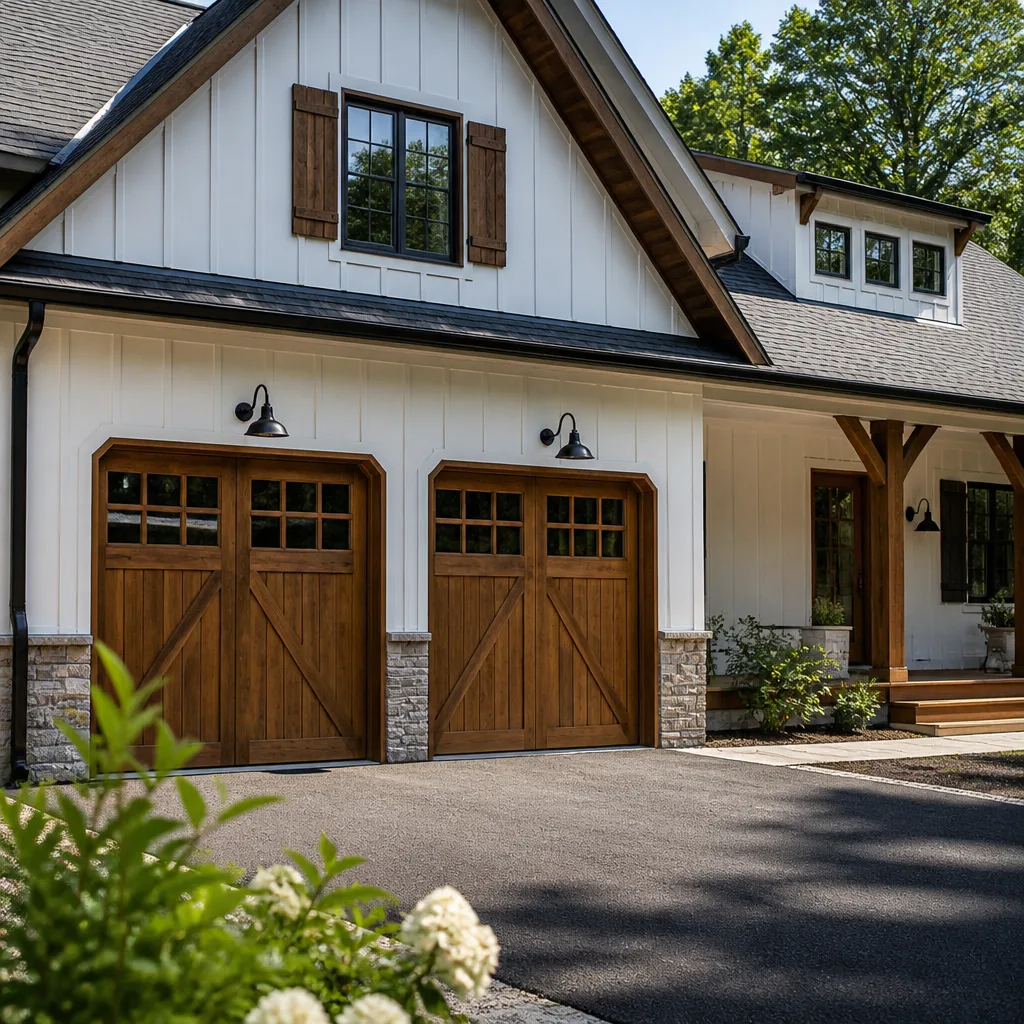 Impact garage doors
 PGT
 CGI
Free in-home measure and quote - PGT, CGI and CWS impact lines compared on your actual openings, style by style
Get your free estimateSeasonal Windows & Doors Care for Winchester: Year-Round Homeowner’s Guide
If you search for seasonal window care, most of what comes back was written for Minnesota winters or Florida hurricane season. Winchester is neither. Here in the Mojave, the real enemy isn’t ice dams or storm surge. It’s a vinyl frame that hits 115°F on a July afternoon and a bead of exterior sealant that goes brittle by February. That combination doesn’t appear on any generic checklist. This guide walks you through what actually happens to windows and doors in Winchester over a calendar year, month by month, and what to check, clean, lubricate, and replace so your openings stay sealed, square, and easy to operate. We’ve spent enough time on Winchester homes to know which failures are predictable and which are noise.
Styles & brands we work with
- Single hung
- Double hung
- Horizontal roller
- Casement
- Bay & bow
- Sliding glass doors
- Entry doors
- Impact garage doors
- PGT
- CGI
Quick Answer
Windows and doors in Winchester fail from heat and ultraviolet stress far more than from cold or moisture, so the maintenance calendar is built around sun exposure, dust, and daily temperature swings rather than winterization. The short version: inspect weep holes and caulk after spring winds, watch for heat-buckled frames and sticking doors in summer, audit weatherstripping in fall before heating season, check sealant for freeze-thaw cracking in winter, and lubricate all hardware on a fixed schedule year-round. That routine covers the failures we see most often in Winchester homes.
Table of Contents
- Why Winchester Punishes Windows and Doors Differently
- Spring: The Post-Dust-Storm Inspection Protocol
- Summer: Heat Buckling, Sticking Doors, and Slab Movement
- Fall: The Weatherstrip Audit Most Homeowners Skip
- Winter: Freeze-Thaw Sealant Cracking in the Desert
- Year-Round: The Hardware Lubrication Schedule
- Common Mistakes to Avoid
- When to Call a Professional
- Frequently Asked Questions
- The Bottom Line
Why Winchester Punishes Windows and Doors Differently
Most maintenance advice assumes the weather is the problem. In Winchester, the weather is only half of it. The other half is the sun. A west-facing vinyl window frame in Winchester can reach surface temperatures well above ambient on a July afternoon, and it does that day after day for four months. Vinyl expands when it’s hot and contracts when it cools, and it does that cycle roughly 120 times between May and September. Multiply that by the years you plan to stay in the house and you start to understand why the failures we see here look nothing like the failures in colder climates.
There’s a second factor people rarely connect to their windows: dust. Winchester sits in a basin that collects particulate from spring wind events, construction, and the open desert. That dust settles into window tracks, weep holes, and the seams where caulk meets stucco. It doesn’t just look bad. It holds grit against moving parts, wicks moisture into places it shouldn’t sit, and slowly abrades the seals that keep your home tight.
So the calendar here has a different shape. Spring is about clearing what the winds deposited. Summer is about thermal movement. Fall is about sealing gaps before heating season. Winter is about the surprising little freeze-thaw cycle that even a desert gets when overnight temperatures dip below freezing. And all year, hardware needs attention that most homeowners skip until something breaks. If you’re planning a larger upgrade rather than maintenance, our window replacement service in Winchester covers what that decision looks like.
Spring: The Post-Dust-Storm Inspection Protocol
Spring in Winchester brings the wind, and the wind brings grit. After the first big dust event of the season, your windows and doors have been sandblasted whether you noticed or not. This is the single most important inspection window of the year, and it takes about an hour with a hose, a soft brush, and a tube of exterior sealant.
Here’s the order we recommend, worked one opening at a time:
- Clear every weep hole. Weep holes are the small slots at the bottom of the window frame that let trapped water drain out. In Winchester they clog with dust and fine grit fast. A clogged weep hole is the number one cause of water sitting in a frame and eventually finding its way inside. Use a stiff wire or a pipe cleaner, not a screwdriver, and confirm each hole drains freely with a cup of water.
- Vacuum and wipe the tracks. Roll the window open and clean the full length of both the sill track and the head track. Grit left in the track grinds against the rollers and weather seals every time you slide the window.
- Walk the exterior caulk line. Look at the joint where the frame meets stucco or siding. Any crack, any place the bead has lifted, any spot that looks like the sealant pulled away, mark it. Spring is the right time to re-seal because you’re heading into the season when the sun does the most damage.
- Check door sweeps and thresholds. The sweep at the bottom of an exterior door takes the most grit of any part of your home. If it’s worn thin or torn, dust and hot air walk right in.
- Test operation on every operable window. Open and close each one. A window that suddenly needs two hands is telling you something changed.
Do this in April or early May, and you’ll catch the failures before summer heat magnifies them. Skip it, and the grit you didn’t clear becomes the grit that wears a seal out by August. For homes considering an upgrade to impact-rated glazing, our impact windows in Winchester page explains how those products handle particulate and heat differently.
Summer: Heat Buckling, Sticking Doors, and Slab Movement
When a door sticks in July, most homeowners reach for the screwdriver and start adjusting hinges. Sometimes that’s right. Often it isn’t. In Winchester, a door that sticks in summer is a specific diagnostic signal, and it matters to know which one you’re looking at before you touch anything.
Here’s the distinction:
- Thermal expansion: the door operates fine in the morning and sticks in the afternoon, then frees up after sunset. That’s the door and frame expanding at different rates under heat. It’s normal movement, and the fix is usually adjusting the strike plate or a hinge, not the door itself.
- Foundation or slab movement: the door sticks at the same time every day, sticks worse than last month, and drags or binds at the top corner. That pattern often tracks with soil movement, which is real in Winchester where expansive clay soils shift with the monsoon moisture cycle. A door that binds consistently is worth having looked at before you decide it’s just the heat.
- Hardware or alignment wear: the latch catches, the deadbolt won’t reach, or the door has a visible sag at the hinge side even when it’s cool. That’s a hinge or settling issue you can usually correct.
Heat-buckled frames are the other summer reality. A vinyl frame can bow or warp under sustained high heat, especially on west-facing windows with dark exterior trim. You’ll see it as a gap at the sash, difficulty operating the window, or a seal that no longer makes contact. Snapping a window shut and calling it fixed doesn’t work long term – the frame needs attention. If a frame has warped to the point where the seal won’t hold, replacement is usually the honest answer, and our window installation in Winchester page covers what that decision involves.
One more summer note: closed-up homes under heavy air conditioning put a different set of stresses on windows than the outside air does. The temperature difference across the glass itself creates stress the frame has to absorb. That’s why window rating matters, and why we install engineered brands like PGT and CGI for this climate specifically.
Fall: The Weatherstrip Audit Most Homeowners Skip
Fall is where the money is. When heating season arrives, every leaking window and door becomes a bill. The weatherstrip that seals your openings is the deciding factor, and it’s the single maintenance item most homeowners never check.
A quick, methodical weatherstrip audit goes like this:
- Do the dollar-bill test. Close a dollar bill in the door or window and try to pull it out. If it slides out easily, the seal isn’t making contact. A properly seated weatherstrip holds the bill with noticeable resistance.
- Run your hand along the closed perimeter. Feel for drafts on a cool morning with the heating off. Pay attention to the hinge-side edge of doors and corners of windows, which are the most common leak points.
- Inspect the weatherstrip itself. Look for cracking, compression set (it stays flat when the window is open), tearing, or visible gaps. Foam weatherstrip that has been baked by a Winchester summer often fails here.
- Check the door threshold seal and sweep. These take the most abuse and wear out first. If you can see light under the door, replace the sweep.
- Do the same check on sliding glass doors. Track alignment matters here. A slider that isn’t seated properly leaks air even with good weatherstrip. Our Winslow Windows & Doors Winchester home page has more on how sliding doors are set up properly.
This audit takes about 45 minutes and tells you exactly where your heating bill is leaking out. If the answer is a handful of deteriorated strips, replacing them is cheap and quiet. If the answer is a window that was already past its service life, you’ll know before winter arrives.
Winter: Freeze-Thaw Sealant Cracking in the Desert
Here’s the counterintuitive part that most desert maintenance guides miss entirely: Winchester gets cold overnight winter temperatures that dip below freezing, and during the day they warm back above it. That freeze-thaw cycle runs all winter on the exterior of your home, and it is exactly what cracks sealant.
Water works into a tiny crack in the caulk. Overnight it freezes and expands. During the day it thaws and contracts. Repeat that 30 or 40 nights over a winter and a hairline crack becomes a visible gap. This is happening in Winchester even though we don’t think of this as a cold-weather climate, and it’s the single biggest cause of winter air infiltration into the homes we look at.
The specific spots to check, in order:
- The perimeter joint of every exterior window where the frame meets the wall surface
- The bead around exterior door frames, especially the bottom corners
- The vertical seam where a sliding glass door frame meets the stucco
- The joint under sills, where water collects
- Any previous repair you can see has been patched, since older sealant cures and shrinks faster than new
For reapplication, use a high-quality exterior sealant rated for movement and UV exposure – polyurethane or a similar flexible, paintable caulk made for exterior use. Do not use standard interior caulk or a rigid filler. Match the joint, tool it smooth, and give it time to cure before the next cold snap. If a window has seal failure – visible fogging between the panes, or a cracked perimeter – the fix isn’t caulk. That’s a glazing problem and needs a professional assessment.
Year-Round: The Hardware Lubrication Schedule
Hardware is the maintenance nobody does until a lock seizes or a hinge fails during a wind storm. Windows and doors have a lot of moving parts, and every one of them wears faster in Winchester’s dusty environment than it would in a cleaner climate.
Here’s a schedule that takes maybe 15 minutes a quarter and eliminates almost all hardware failures:
- Every three months: Lubricate every hinge point on doors and casement windows with a dry-film or silicone lubricant. Avoid oil-based grease in a dusty environment – it holds grit and grinds.
- Every six months: Lubricate every lock, latch, deadbolt, and handle mechanism. Apply a light lubricant to the keyway and work the latch several times to distribute it.
- Every six months: Check the strike plates and screws on all exterior doors. Loose screws are the beginning of door sag.
- Annually: Inspect every hinge for wear, and tighten, adjust, or replace as needed.
- Annually: For sliding doors and windows, clean the tracks and apply a silicone spray to the rollers to keep them rolling smoothly.
- After any dust storm: Clear grit from lock assemblies and handle pivots so it doesn’t abrade the moving surfaces.
This is the schedule we teach homeowners because we’ve seen the alternative. A seized deadbolt on a Friday night is a security problem, and a failed hinge on a heavy exterior door mid-storm is worse. Fifteen minutes a season avoids both. For homes upgrading hardware to match a new door, we install Therma-Tru entry systems with hardware rated for this climate.
Common Mistakes to Avoid
- Treating winterization as the main event. Most online guides tell you to seal windows for cold. In Winchester, the bigger risk is summer heat and UV. If that’s the only care you do, you’ve covered the wrong season. Monthly attention to sun-exposed frames matters more here than a single winter seal.
- Power-washing window tracks and weep holes. High pressure forces grit deeper and can push water past seals. Use a soft brush, a vacuum, and a low-pressure hose instead.
- Using interior caulk on exterior joints. It won’t survive a Winchester summer. Interior caulk isn’t UV rated, and it cures rigid. It’ll crack within a season and you’ll be redoing the job.
- Ignoring a door that sticks in July. It’s tempting to shrug it off as heat. But a door that’s progressively harder to close over successive summers is often a slab movement signal worth investigating. Wait too long and it becomes a much bigger job.
- Adjusting hinges to fix a stuck door before diagnosing. If the problem is slab movement or heat expansion, adjusting hinges makes it worse. Test morning vs. afternoon first – that tells you which problem you’re looking at.
- Skipping hardware lube until something seizes. We’ve seen deadbolts seize from grit buildup in Winchester, and a lock that won’t unlock isn’t a maintenance annoyance, it’s a security problem. Quarterly lube prevents it entirely.
- Doing sealant repairs in July or August. High heat makes sealant cure too fast, and it won’t bond properly. The best windows for exterior sealant work are in spring and fall, when temperatures are moderate.
When to Call a Professional
Most seasonal care is homeowner territory, and we’d rather see you confident doing it than calling us for something a hose and a caulk gun can handle. But there are clear lines where the fix is beyond routine maintenance.
Call a professional if you see: fogging or condensation between window panes (that’s a failed seal unit, not a cleaning issue); a frame that has warped or buckled to the point the sash no longer seals; a door that has consistently bound tighter over successive summers (potential slab movement); any window that won’t operate and could be forced or broken by trying; or a perimeter sealant job that has failed across multiple windows rather than a single joint. Hardware repairs are also worth a professional visit if a lock won’t turn, a hinge has failed, or a sliding door has come off track.
Winslow Windows & Doors Winchester offers free estimates in Winchester – call (855) 859-2922. We’ll tell you honestly whether you’re looking at a maintenance item or a replacement, and there’s no trip charge inside the home county. Written estimates are line-item and up front. If you’ve already got a written estimate from another contractor, we’ll give you a free second opinion on it.
Frequently Asked Questions
Clean window and door tracks at least every three months, and always after a significant dust event. Winchester’s dust season means tracks can fill faster than the national average, and grit in the track is the leading cause of premature weatherstrip and roller wear. Vacuum and wipe both the sill and head tracks, clear every weep hole, and check the weatherstrip at the same time. If a track feels rough or a window is suddenly harder to slide, don’t wait for the next quarter.
Test it by time of day. If the door operates fine in the morning and sticks in the afternoon, it’s likely thermal expansion – the door and frame expand at different rates under heat. If it sticks consistently at all hours and is getting worse over successive summers, that pattern suggests slab or soil movement and is worth a professional assessment. A door that binds at the top corner rather than the latch side also points toward movement rather than hardware. Call (855) 859-2922 for a free estimate if you’re not sure.
Not the way a northern climate guide would have you winterize. Winchester doesn’t require storm window installs or plastic sheeting. What matters here is a fall weatherstrip audit before heating season and a check for freeze-thaw sealant cracking on exterior joints. Winter nights do dip below freezing, and that cycle cracks sealant even though it’s a desert climate. Focus on drafts and sealant, not on extra insulation layers.
Replacement is the honest answer when the seal unit has failed (fogging between panes), the frame has warped beyond sealing, or the window fails to operate despite hardware repair. Repair is usually the right call for weatherstrip, caulk, hardware, and track issues. Age matters too – a single-pane or older double-pane unit that’s lost its gas fill will never be efficient no matter how much you seal around it. Our window replacement in Winchester page covers what to look for.
Use a dry-film or silicone-based lubricant, not oil or grease. Grease grabs dust and grit, which grinds against the moving part and accelerates wear. Dry-film products lubricate without leaving a sticky surface, so grit doesn’t accumulate. Apply to hinges quarterly and to locks and latches every six months. Reapply after any significant dust storm if the hardware feels dry or stiff.
You can handle a single perimeter joint if the surface is clean and dry and you use the right exterior-rated sealant – polyurethane or a flexible UV-rated product, never interior caulk. Call a professional if multiple windows have failed sealant, if the joint is large or the frame has movement, or if you’re seeing water intrusion. A failed seal across several windows usually points to a larger issue than a bad bead. Winslow Windows & Doors Winchester gives free written estimates – call (855) 859-2922.
The Bottom Line
Winchester doesn’t ask you to winterize the way a cold-climate guide would. It asks you to respect the sun, the dust, and the daily temperature swing. Spring is for clearing grit and re-sealing what the wind worked loose. Summer is for watching thermal movement and reading a sticking door correctly. Fall is for the weatherstrip audit that decides your heating bill. Winter is for freeze-thaw sealant checks. And all year, hardware gets a quarterly pass with dry-film lubricant. That schedule covers the failures we see most often, and it’s genuinely doable on a weekend. Where it crosses into failed seals, warped frames, or slab movement, call us at (855) 859-2922 for a free estimate. Our technicians have up to 15 years of experience, and every job is backed by the 36500-Day Done Right Promise.
Written by the team at Winslow Windows & Doors Winchester.
See the difference
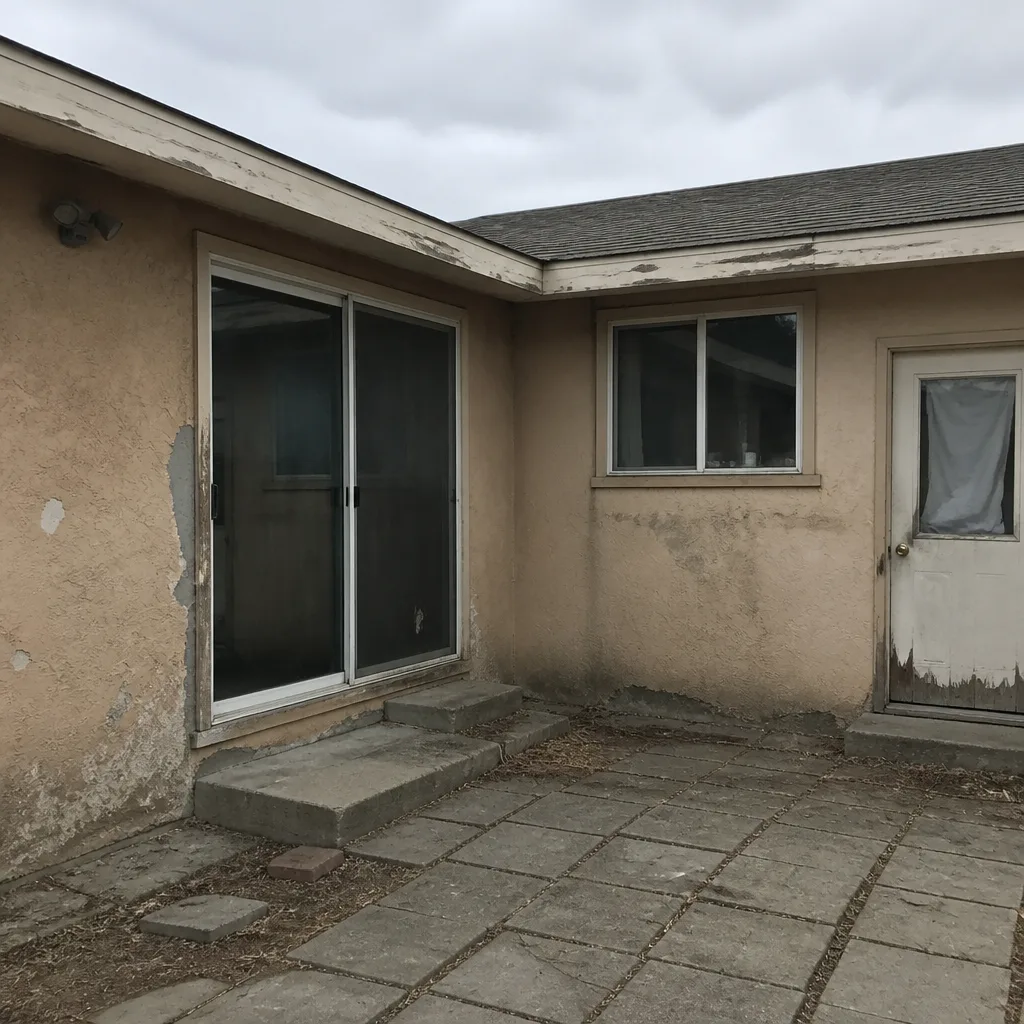 Before
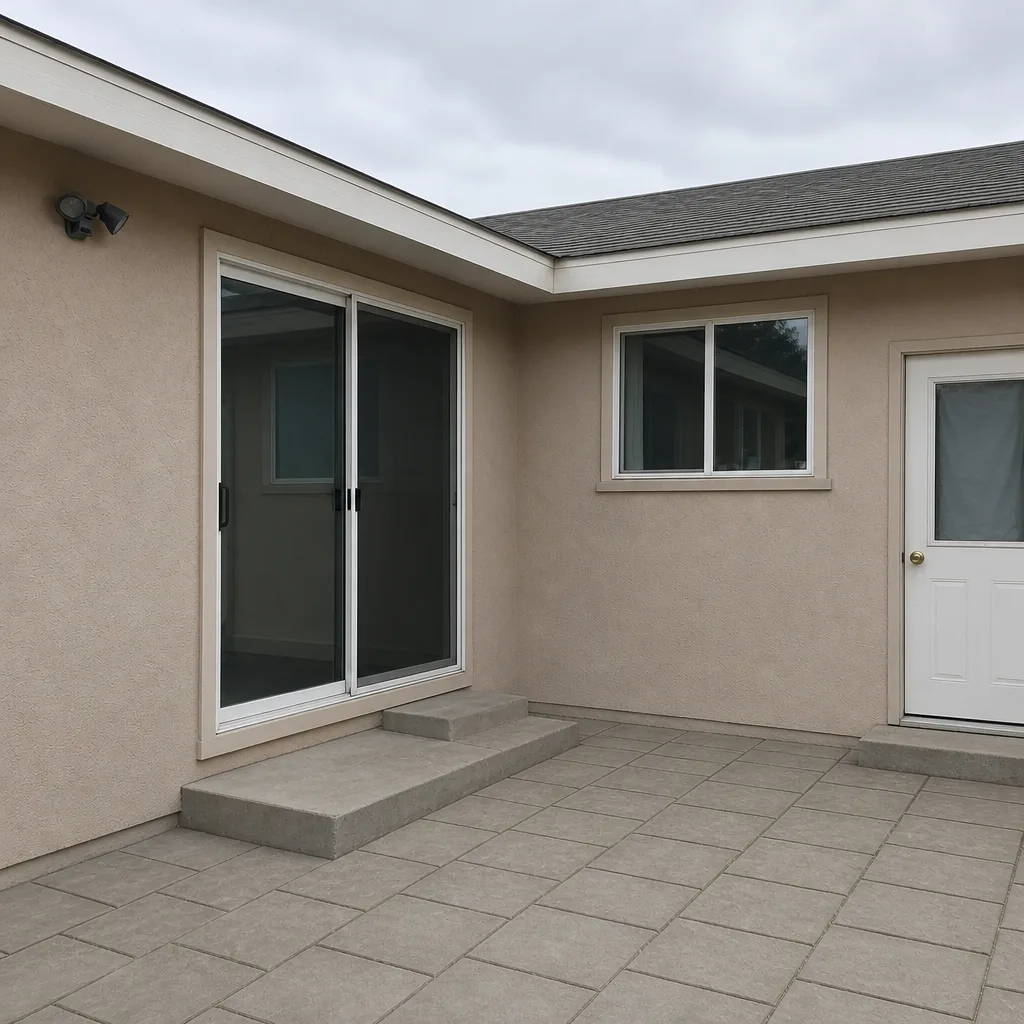 After
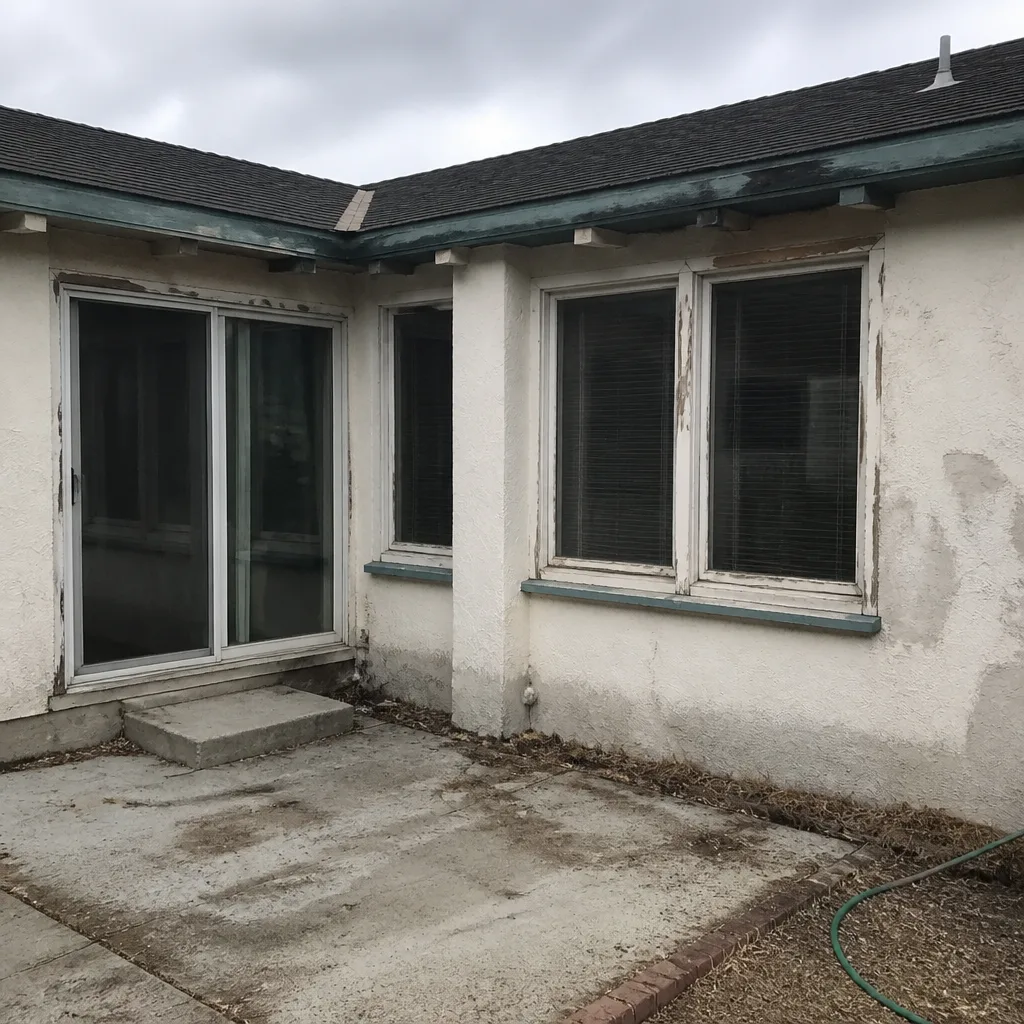 Before
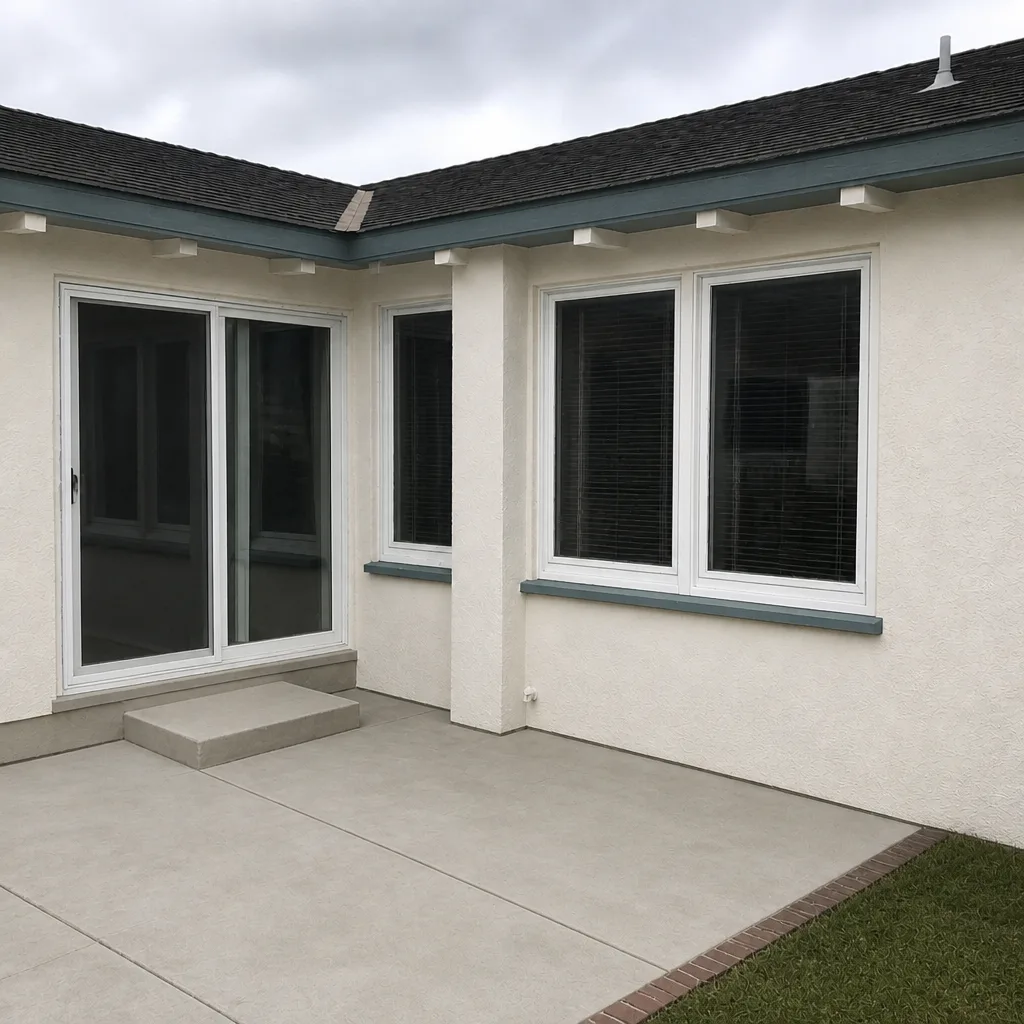 After
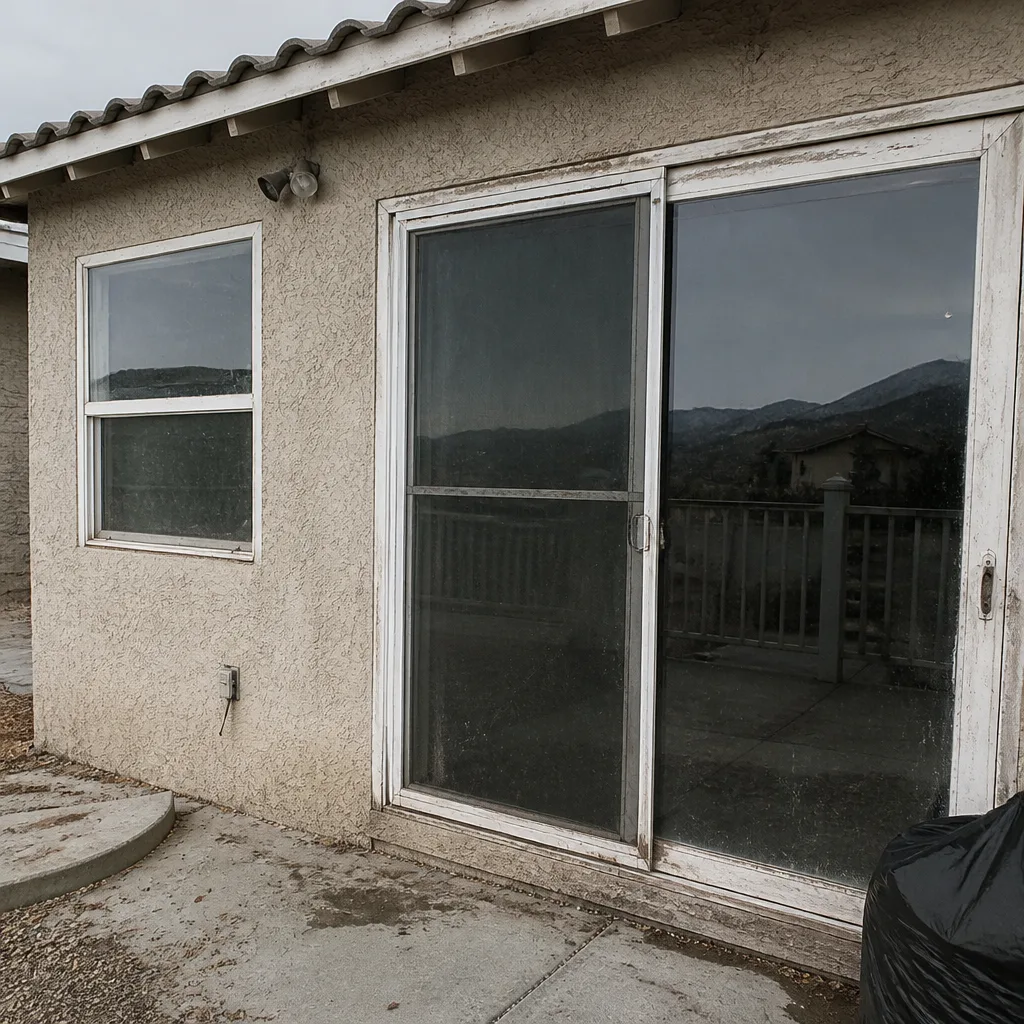 Before
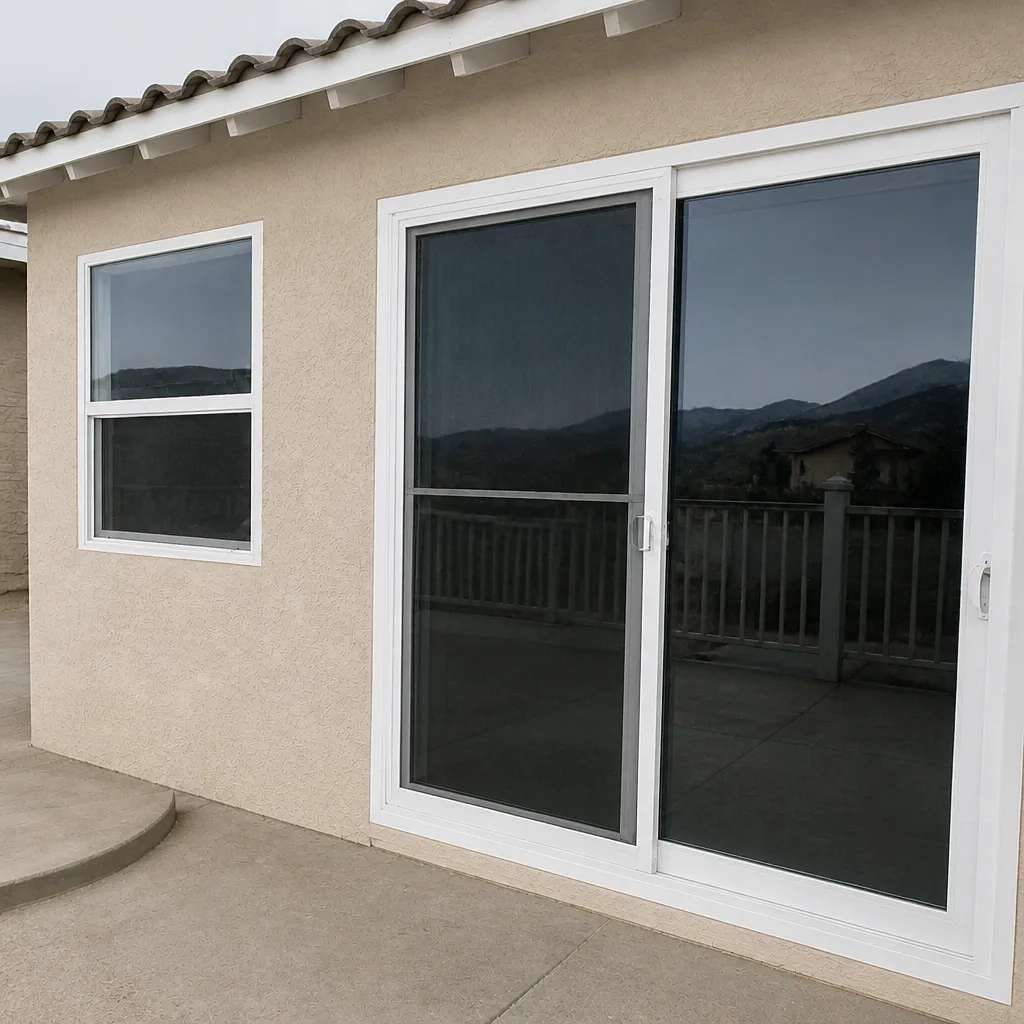 After