
Last updated November 17, 2026
 Impact garage doors
 Single hung
 Double hung
 Horizontal roller
 Casement
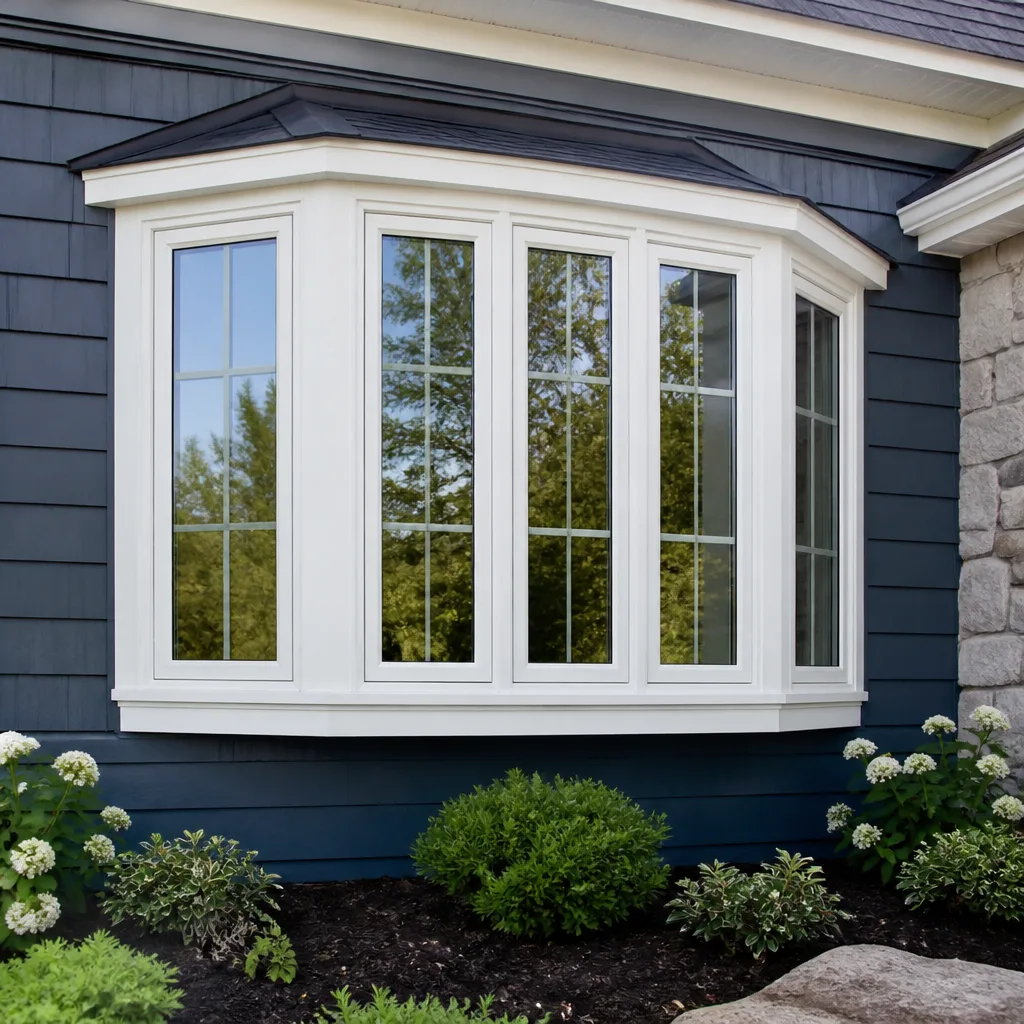 Bay & bow
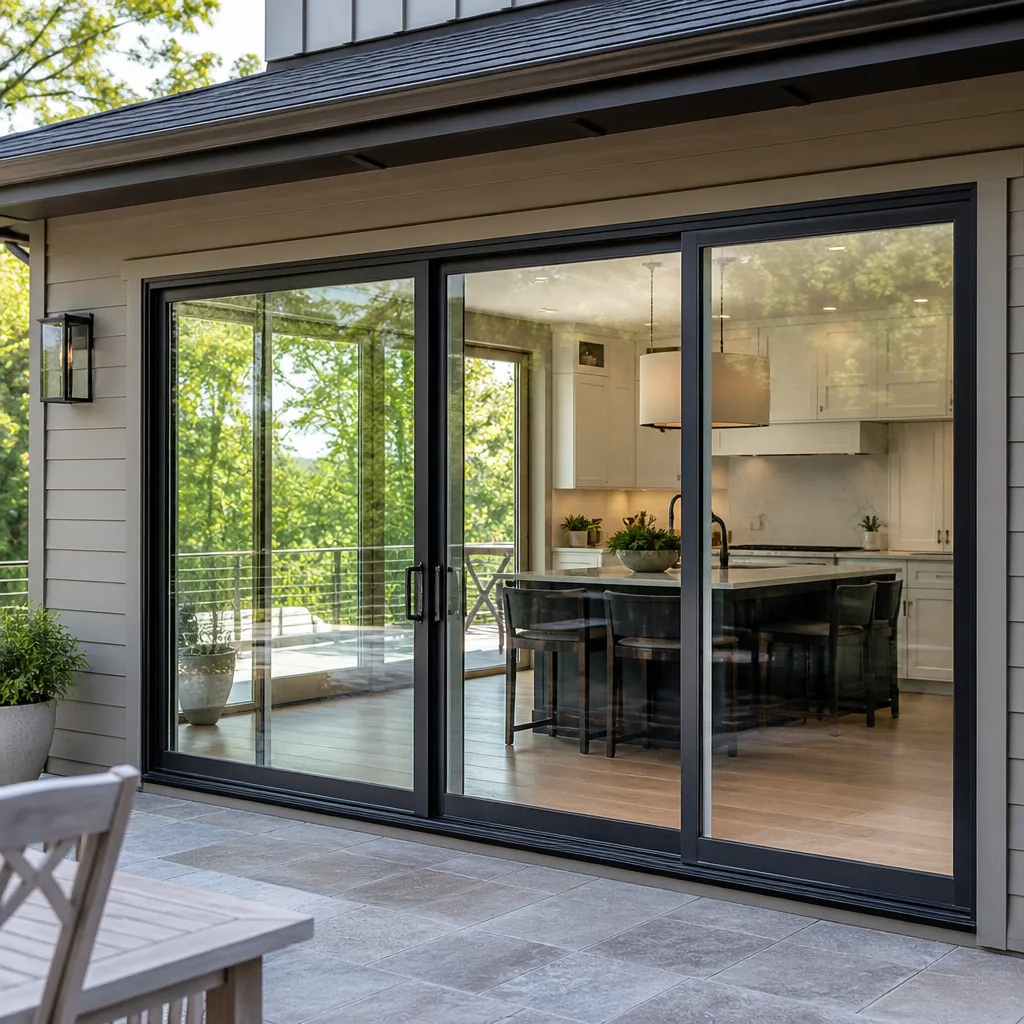 Sliding glass doors
 Entry doors
 PGT
 CGI
Free in-home measure and quote - PGT, CGI and CWS impact lines compared on your actual openings, style by style
Get your free estimateImpact Windows Maintenance Checklist for Winchester Homeowners
A laminated impact pane can take a 2×4 fired at 50 mph and walk away without a crack. Then the same window fails in a routine windstorm six years later, and the glass was never the problem. Water got into the rough opening, the frame seal broke down, and the anchor points rotted from the inside out. Impact-rated glass is tough. The system around it needs you. That’s the part nobody explains at sign-off. This checklist covers what actually keeps impact windows performing in Winchester, from the cleaning products that quietly eat the interlayer to the sealant inspection your warranty probably requires and your installer probably never mentioned.
Quick Answer
Impact windows in Winchester need a light cleaning every 2 to 3 months, weep hole and drainage clearing monthly during dust season, hardware torque checks twice a year on a Nevada heat-cycle schedule, and a full sealant and frame inspection every 12 months. None of this is difficult. All of it is required to keep the warranty valid and the window performing as rated in high wind.
Styles & brands we work with
- Single hung
- Double hung
- Horizontal roller
- Casement
- Bay & bow
- Sliding glass doors
- Entry doors
- Impact garage doors
- PGT
- CGI
Table of Contents
- Why Impact Windows Still Need Maintenance
- The Right Way to Clean Impact Glass in Winchester
- Weep Holes and Drainage in a High-Particulate Desert
- Hardware Torque Checks on a Nevada Heat Cycle Schedule
- The Sealant Inspection Step Your Warranty Requires
- Seasonal Checklist: Spring, Summer, Winter in Winchester
- Common Mistakes to Avoid
- When to Call a Professional
Why Impact Windows Still Need Maintenance
“Impact-rated” gets sold like it means “maintenance-free.” It doesn’t. It means the window passed a large-missile impact test and a cyclic pressure test at a certified lab. Those tests measure the product in a controlled chamber, not the product bolted into a stucco wall in Winchester after eleven summers of 108-degree afternoons and spring dust storms that coat every horizontal surface in the valley.
The gap between “rated” and “ready” is where homeowners lose money. We’ve seen it repeatedly. A window rated to 150 mph comes through a 60 mph gust with the glass intact, but the frame has separated a hair from the rough opening. Water gets in. The wood or engineered framing behind the stucco soaks up moisture and doesn’t dry out because Winchester gets roughly 4 inches of rain a year and the wall never really dries the way it would in a wet climate. Instead it cycles. Wet, then baked, then wet again. The anchor points corrode and the wood softens. Now the window that survived a missile test is held in place by compromised fasteners.
That’s the counterintuitive part. In a dry climate like ours, the damage is slower and easier to ignore than in Miami or Houston, which is exactly why it goes unnoticed for years. The performance of an impact window depends on three things working together:
- The glass laminate, which holds the pane together after impact.
- The frame and sealant, which keep wind-driven water out of the rough opening.
- The hardware and anchors, which transfer load into the wall structure.
The glass is the tough part. The other two depend on you. Our technicians have up to 15 years of experience across Clark County, and the failures we get called to fix are almost never the glass itself. They’re frames, seals, and hardware that nobody looked at. If you’ve recently had new windows put in and nobody walked you through a maintenance routine, start with our guide to impact windows in Winchester and then come back here for the upkeep schedule.
The Right Way to Clean Impact Glass in Winchester
Impact glass is a laminate: two or more glass plies bonded around a polyvinyl butyral interlayer, sometimes called the PVB or the film. That interlayer is what holds the pane together after a hit. It is also the part of the window most vulnerable to chemical damage, and standard household glass cleaners are the usual culprit. Many of them carry ammonia, and ammonia over time degrades the edge seal that protects the interlayer from moisture. Once that edge seal fails, the laminate starts to haze, then cloud, then delaminate. Delamination is not covered by most warranties, and it cannot be repaired. The pane gets replaced.
So the number one rule in Winchester: no ammonia-based cleaners, no vinegar, no abrasive pads, no razor blades on the glass. Not on the inside, not on the outside. Here’s the routine we recommend instead:
- Rinse loose dust first. Winchester spring dust is gritty. Wiping a dry cloth across a dusty pane grinds particles into the surface. A garden hose or a bucket of plain water first is non-negotiable.
- Wash with a mild dish soap and water mix, roughly a teaspoon per quart, using a soft microfiber cloth or a lamb’s-wool mitt. Work top to bottom.
- Dry with a clean microfiber towel before the water spots set. In our heat, untreated water dries fast and leaves mineral rings that build up over a season.
- Skip the squeegee on the laminate edge. Water pushed aggressively toward the frame edge can work its way into the glazing channel. Keep the wash solution on the glass, not in the joint.
- Use only window cleaners labeled safe for laminated or impact glass. Look for ammonia-free on the label. That’s the whole test.
How often? Every 2 to 3 months for street-facing and windward windows. Exterior glass on the west and south sides of a house in Winchester picks up dust faster because that’s where the prevailing wind and afternoon sun do the most work. Those windows get cleaned more often than the north side. Brands like CWS and ES Windows publish cleaning guidance specific to their laminate construction, and it’s worth reading the sheet that came with your unit. It’s short. The warranty terms usually hinge on it.
Weep Holes and Drainage in a High-Particulate Desert
Every impact window has a drainage system. Weep holes at the sill let water out that gets past the exterior seal. Channels inside the frame route it down and away from the rough opening. If those holes clog, water backs up inside the frame assembly, sits against the glazing gasket, and eventually works into the wall. In a wet climate this happens fast and gets noticed. In Winchester, it happens slowly because we only get a few real rain events a year, so a clogged weep hole can sit clogged for months without anyone knowing there’s a problem.
Then an August monsoon dumps half an inch in twenty minutes, the sills fill, and water finds the path of least resistance. That path is usually into your wall cavity.
Winchester’s particulate load is the reason this matters more here than in most places. Spring wind carries fine desert dust and, on some days, smoke from regional fires. That dust settles in every horizontal channel on a window, including the sill tracks and weep openings. It combines with a little moisture and hardens into a crust. The weep hole is now a plug.
Here’s the inspection routine:
- Find your weep holes. On slider and single-hung windows they’re small slots on the exterior sill, usually two or more per unit. On casement and awning windows look at the bottom of the frame.
- Check them monthly during dust season (roughly March through June in Winchester) and after any significant wind event.
- Clear with a soft brush or a pipe cleaner. Never a nail, an awl, or a drill bit. Those scratch the drainage channel and create a spot for debris to catch.
- Flush with low-pressure water and watch it exit. If water pools in the sill or comes out somewhere it shouldn’t, stop and get it looked at.
- Check the sill track itself. Vacuum or brush out grit. Sliding windows ride on that track, and grit under a roller wears the hardware faster.
One more thing: irrigation. Homes in Winchester with spray heads pointed at the house push hundreds of gallons a week against the exterior sill. Emitters aimed wrong are one of the more common causes of chronically wet frames we see on service calls. Redirect them and the drainage system gets a chance to do its job.
Hardware Torque Checks on a Nevada Heat Cycle Schedule
Here’s something that doesn’t show up in most maintenance guides: impact window hardware loosens faster in Southern Nevada than in milder climates, and it loosens on a predictable cycle. The reason is simple. A lock, hinge, or operator arm is metal. The frame is aluminum, vinyl, or a composite. Those materials expand and contract at different rates as the day swings from a cool desert morning to a 105-degree afternoon and back down. Do that roughly 200 times a year and fasteners back out. Slowly, but they back out.
A loose lock on an impact window isn’t cosmetic. The lock is what pulls the sash tight against the weatherstripping. When it’s loose, the sash doesn’t seat, the gasket doesn’t compress, and wind-driven rain finds the gap. Multi-point locks on casement and awning windows are even more sensitive because a single loose fastener throws off the whole engagement.
Our recommendation for a Nevada heat-cycle schedule is a torque check twice a year, timed to the shoulder seasons:
- March-April, before the first big heat, so hardware is snug going into the summer expansion cycle.
- October-November, after the summer, when everything has contracted back and any loosening from the hot months shows up clearly.
What to check:
- Lock handles and strike plates on every operable unit. Turn the lock; it should engage with light, even pressure. If it takes force or feels sloppy, something’s off.
- Hinge screws on casement and awning windows. Snug, not gorilla-tight. Over-torquing strips the anchor.
- Operator arms and cranks on casements. Open and close fully; the motion should be smooth through the whole range.
- Sliding window rollers and locks. The sash should glide without a lift, and the lock should pull the panels flush.
If a screw won’t hold torque, the hole is stripped or the frame has moved. That’s a pro call, not a bigger screw. Mr-Glass and ECO Window Systems hardware is rebuildable, and a service visit is cheaper than replacing a sash that failed because a lock never seated.
The Sealant Inspection Step Your Warranty Requires
This is the one that catches people. Almost every impact window manufacturer’s warranty includes language requiring the homeowner to inspect and maintain the exterior sealant around the window perimeter. It’s usually buried in the exclusions section, phrased in legal language, and it is the single step at sign-off that installers routinely skip. We get it. The job is done, the glass is in, everyone’s happy. But that sealant is the primary defense against water intrusion around the frame, and if it fails and water gets in, the warranty claim can be denied because the required maintenance wasn’t done.
The fix is a yearly exterior sealant inspection, and it takes about twenty minutes on a typical Winchester house:
- Walk the exterior of every window at ground level and from a ladder where it’s safe. Look at the bead of sealant where the frame meets the stucco, siding, or trim.
- Look for cracks, gaps, pulling away, or a bead that has shrunk and left a visible seam. In our sun, sealant fails from UV exposure before it fails from anything else. South and west faces go first.
- Check the head and the sill. Water intrusion at the head is the most damaging because it runs down inside the wall. The sill is where the drainage system ties in.
- Test with a light touch. Press a finger into the bead. If it’s hard, cracked, or pulls away from the substrate, it’s due for replacement.
- Re-seal with the correct exterior sealant. The manufacturer specifies a type. Use it. The wrong caulk fails in a year, and the correct one lasts several.
Do this inspection in the fall, before winter rains, and again in spring if you want to be thorough. Winchester’s freeze-thaw cycle is mild compared with the mountains, but overnight lows do dip below freezing a few nights each winter, and that expansion-contraction is what opens small cracks. Keep a dated record of your inspections. If you ever file a warranty claim, that record is the difference between a covered replacement and a denied one. On a window set from CGI or ES Windows, a full sash replacement is real money. Twenty minutes a year protects it.
Seasonal Checklist: Spring, Summer, Winter in Winchester
The maintenance schedule for impact windows in Winchester isn’t a flat monthly routine. Our climate runs in distinct phases, and each one stresses the window differently. Here’s what to focus on when. Print this and stick it on the fridge.
Spring (March through May): Dust Season
- Clear weep holes and sill tracks monthly. This is peak dust. Wind carries fine particulate, and it settles everywhere.
- Rinse exterior glass before washing. Grit plus friction equals scratches.
- Check the sealant for cracks opened by the winter freeze-thaw cycle.
- Do the first hardware torque check of the year before the heat hits.
- Inspect screens for tears. Spring wind does a number on screen fabric in Winchester.
Summer (June through September): Heat Peak
- Watch for condensation between the panes. A failed edge seal shows up as fogging. That’s a warranty conversation, not a cleaning issue.
- Test every lock and latch as the heat makes the frames swell. Sash that sticks in July is telling you something.
- Clean glass every 2 to 3 months. Water spots from irrigation and mineral-heavy city water set fast in the heat.
- Check door sweeps and weatherstripping on any impact-rated patio doors. The afternoon sun bakes that gasket material.
- Watch irrigation spray toward the sills and redirect it.
Winter (October through February): Freeze-Thaw and Rain
- Do the fall sealant inspection before the rain season. This is the most important single item on the list.
- Do the second hardware torque check after the summer heat cycle. Loosened fasteners show up now.
- Clean weep holes before the first real rain event.
- Inspect the interior frame near sills and heads for any discoloration. That’s the early sign of a leak that hasn’t hit the drywall yet.
- Check impact-rated garage door hardware if you have one; the same heat-cycle logic applies.
The pattern is straightforward: dust control in spring, heat expansion monitoring in summer, and water defense in winter. Get those three right and the glass and frame will hold up the way they were tested to. Our window installation in Winchester page covers what a properly sealed install looks like in the first place, which makes the annual inspection much easier to judge.
Common Mistakes to Avoid
- Cleaning with ammonia-based glass cleaner. It degrades the interlayer edge seal. Once the pane delaminates, replacement is the only fix, and it’s usually not warranty-covered. Use ammonia-free only.
- Assuming impact-rated means maintenance-free. The glass is tough. The frames, seals, and anchors around it are not self-maintaining. This is the misconception that costs homeowners the most in Winchester.
- Power-washing the exterior. High pressure drives water past the exterior seal and into the frame. It also strips sealant. A garden hose and a brush are enough.
- Ignoring weep holes through dust season. A clogged weep hole in spring is a wet sill in August. Clear them monthly and before any rain.
- Skipping the annual sealant inspection. It’s usually a warranty requirement. Get it in writing and keep records, or a legitimate claim can be denied years down the line.
- Using a bigger screw on stripped hinge hardware. That tears the anchor further and can void the warranty. If a fastener won’t hold, the frame or hinge needs a proper repair.
- Letting irrigation spray the house. Spray heads aimed at the siding push water into the frame continuously. Redirect them and the sealant lasts longer.
Avoiding these goes a long way. In our experience across Winchester, the windows that fail early fail on a maintenance item, not on the product. Best brand in the world doesn’t help if the sill track is full of dust and the sealant was last checked by nobody. If you’re weighing replacement instead of repair, our guide to window replacement in Winchester walks through how to tell the difference.
When to Call a Professional
Most of this checklist you can do yourself with a microfiber cloth, a hose, a soft brush, and a screwdriver. Some of it you shouldn’t. Call a pro if you see any of the following:
- Fogging or condensation between the panes. The edge seal has failed. This is a warranty or replacement conversation.
- Water stains or discoloration inside the frame or on the interior wall near a window. There’s an active leak. Fix it before the wall framing gets into trouble.
- Hardware that won’t hold torque, or a lock that won’t engage cleanly. The window isn’t sealing properly, and in high wind it’s a load-path issue, not a cosmetic one.
- Cracked or separated exterior sealant at the head or sill. Re-sealing is straightforward, but the diagnosis matters: is it just sun-aged sealant, or has the frame moved?
- A pane that took an impact. Even a small chip in the laminate can spread. Impact glass is rated to take a hit, but a compromised pane needs assessment, not a band-aid.
Winslow Windows & Doors Winchester offers free estimates in Winchester. We’ll walk the windows, check the seals, weep holes, and hardware, and tell you plainly what’s maintenance and what’s a repair. We install products from PGT, CGI, and other authorized brands, so we know how each system is built and what it needs. Call (855) 859-2922. A live person answers any time of day or night.
See the difference
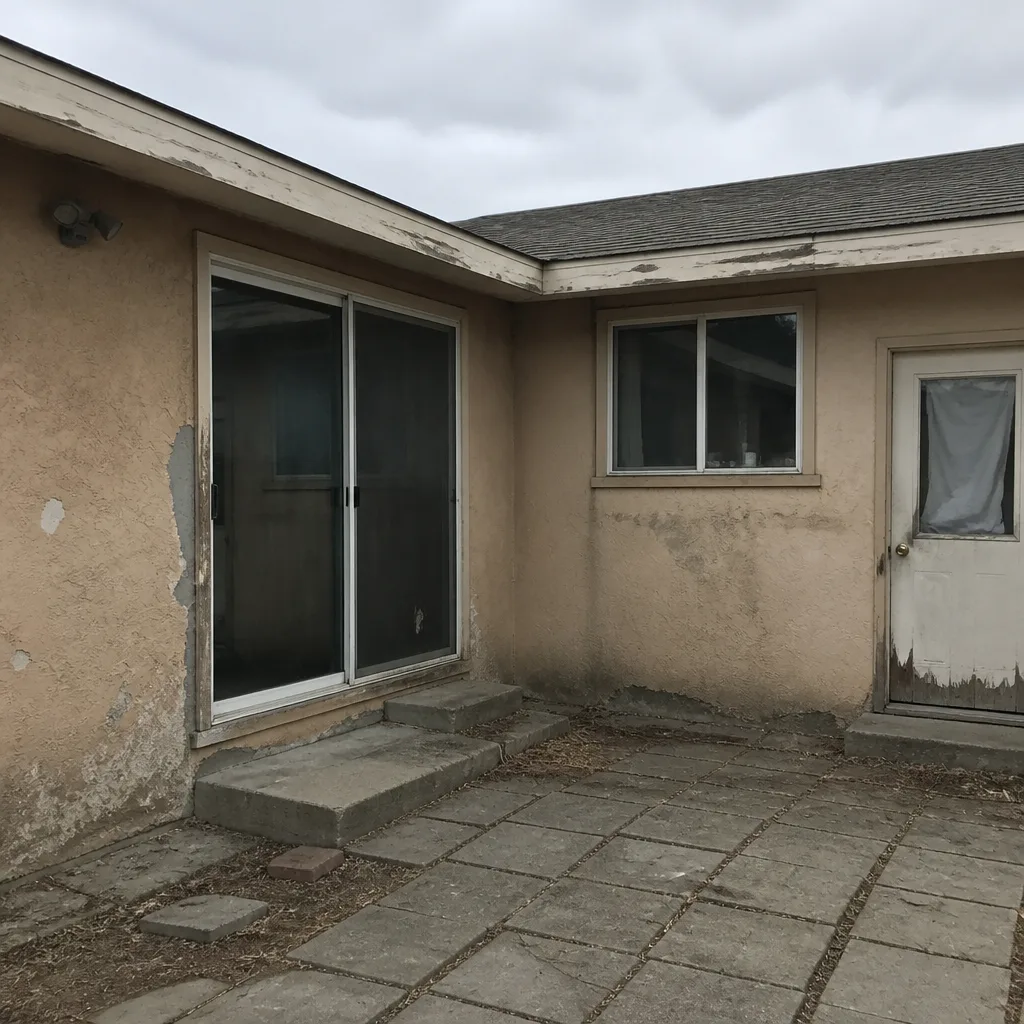 Before
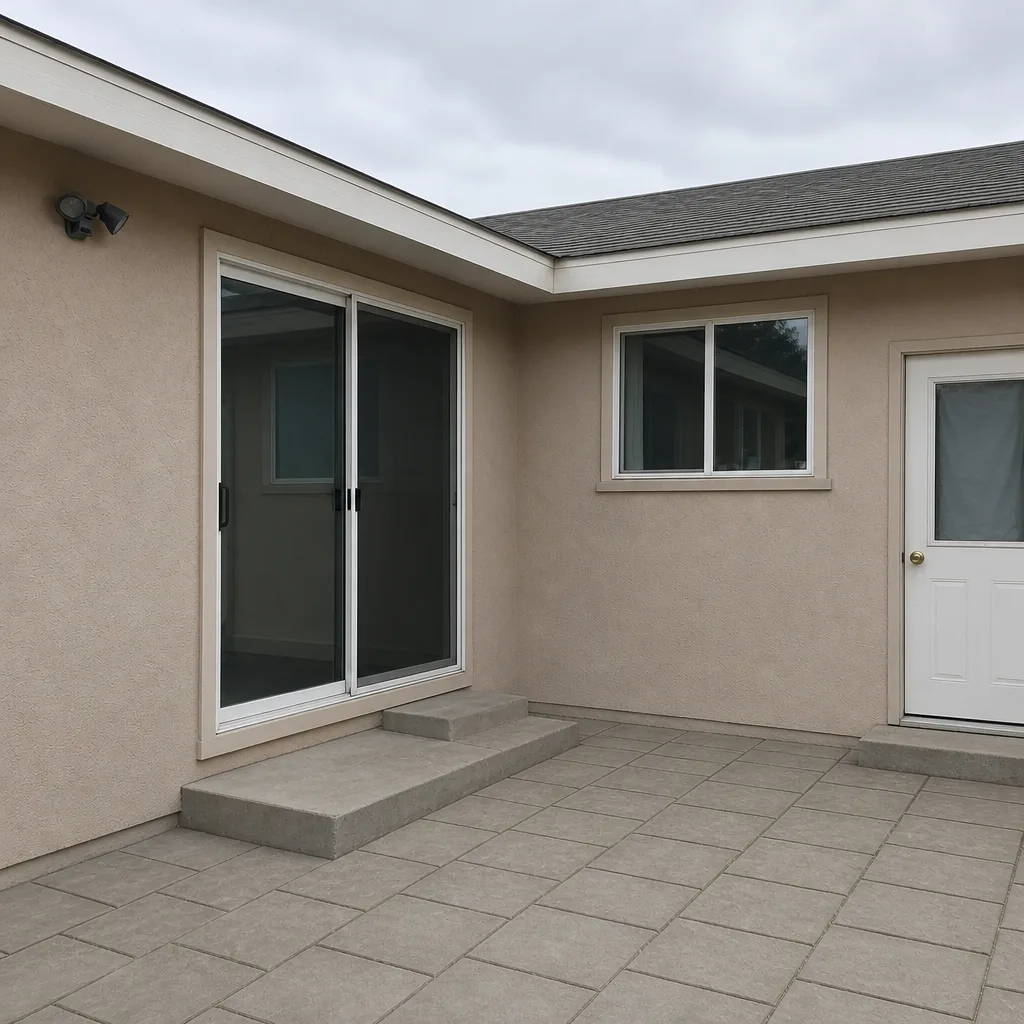 After
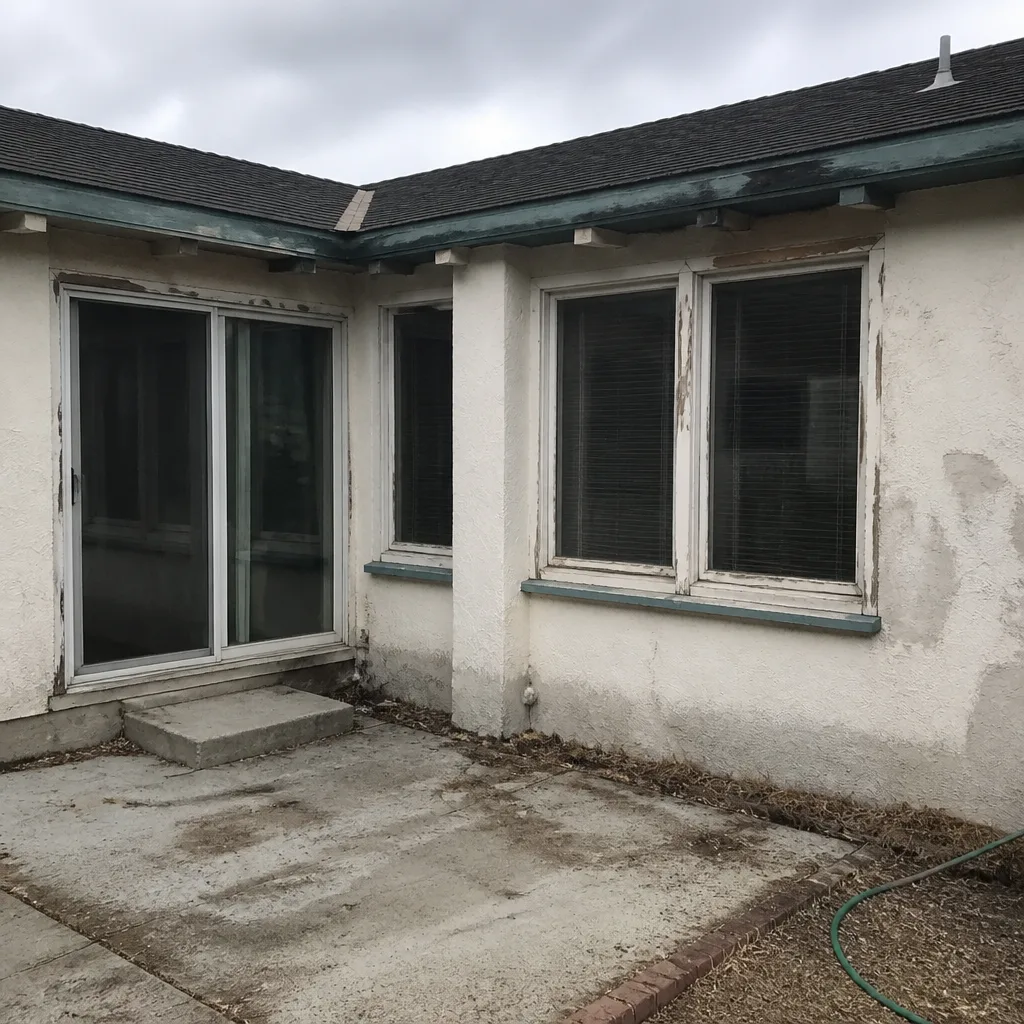 Before
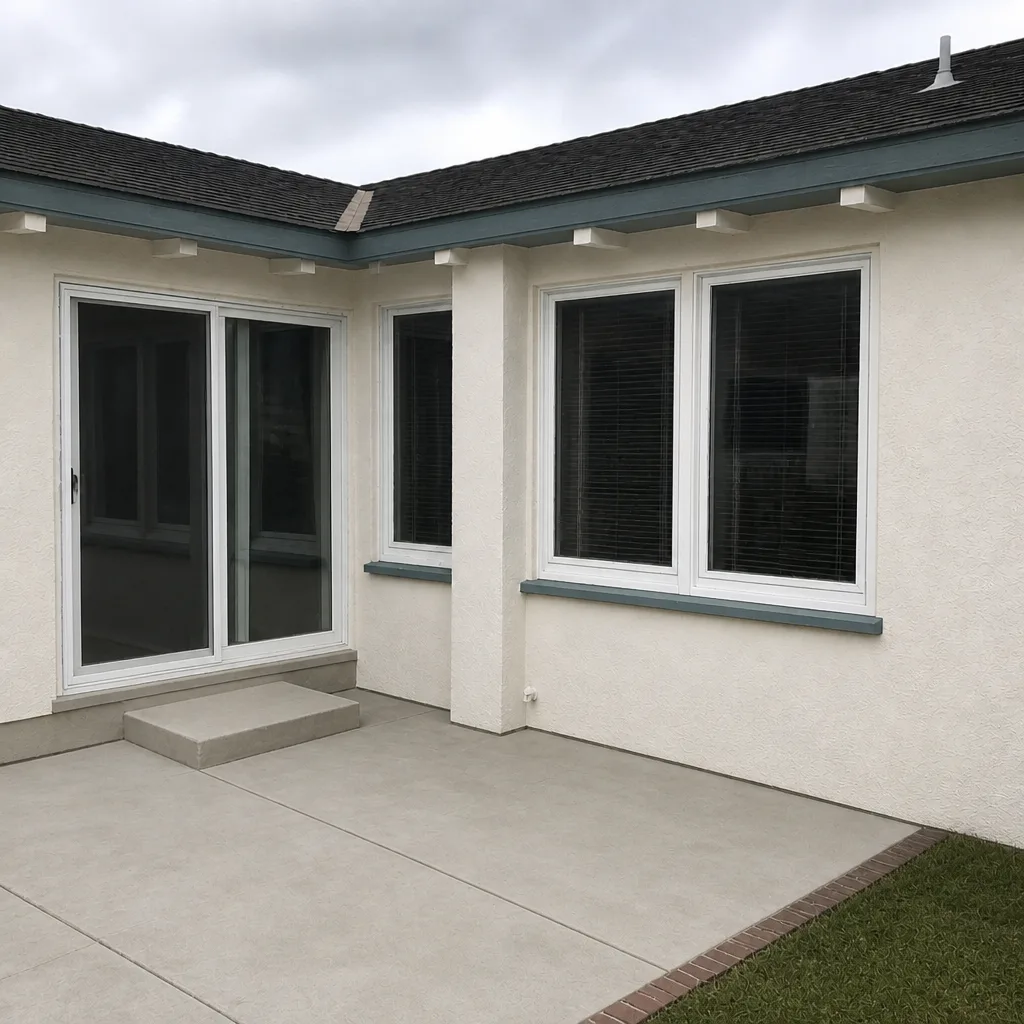 After
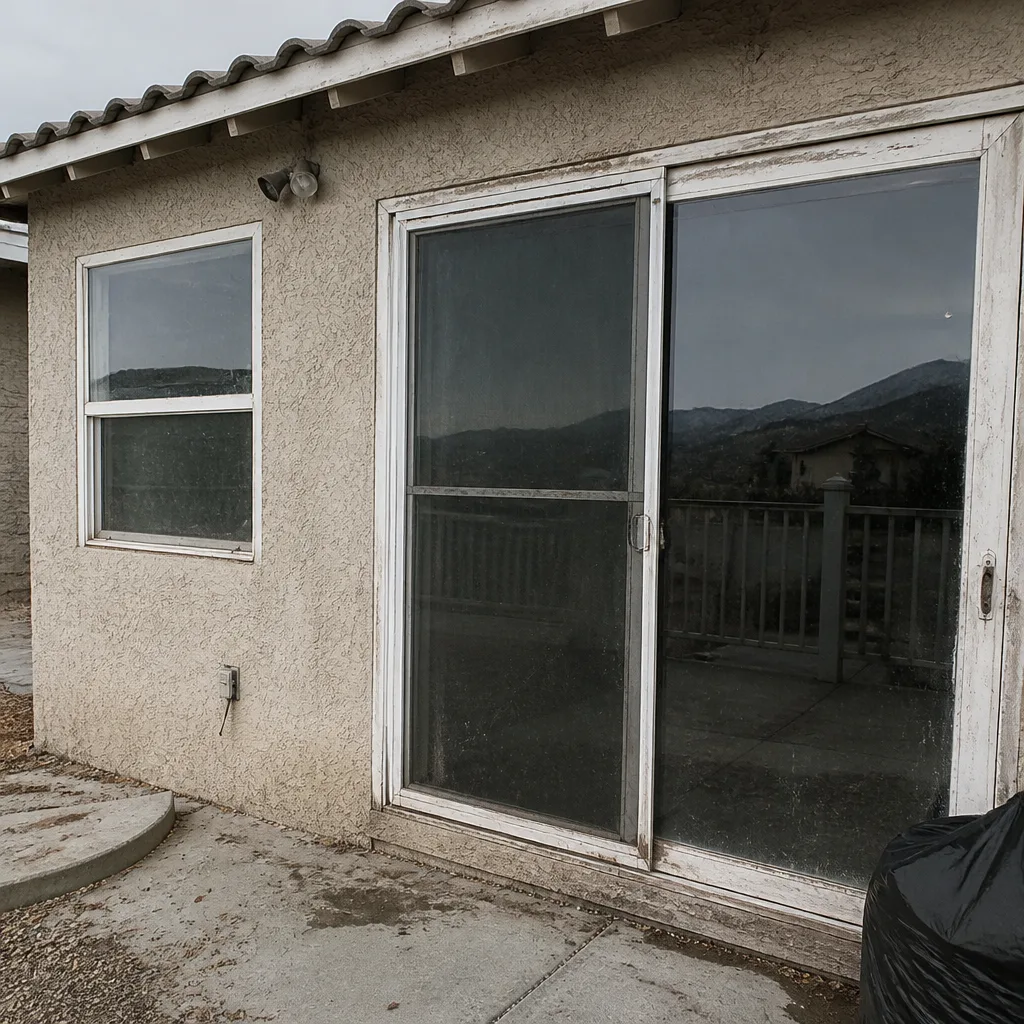 Before
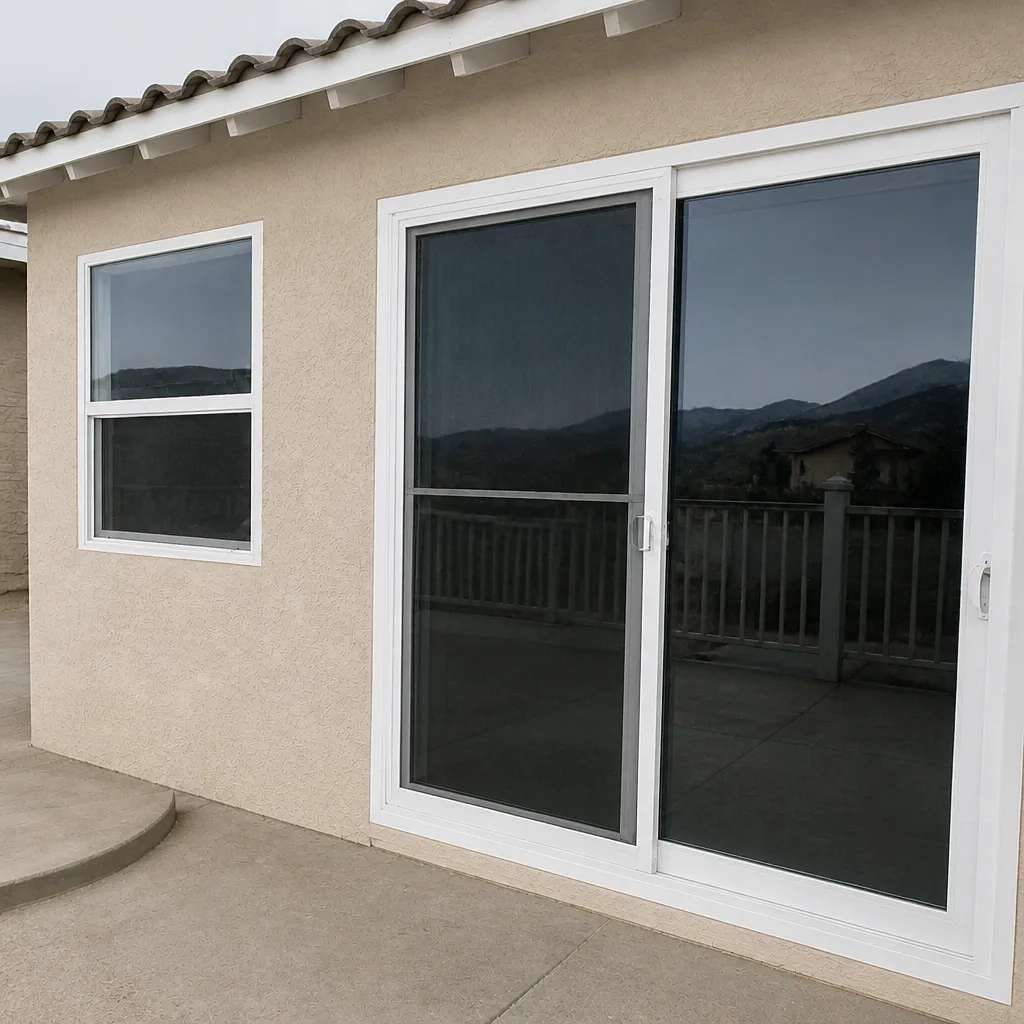 After
Frequently Asked Questions
Every 2 to 3 months for exterior glass on the dusty and sun-baked sides of the house, and less often for shaded interior glass. Winchester’s spring dust and mineral-heavy water mean a rinse first, then a mild dish soap wash, then a dry with microfiber. Never use ammonia-based cleaner, because it degrades the laminate interlayer. Call (855) 859-2922 if you’re not sure what product is safe for your particular window brand.
They really do, and most manufacturer warranties require an annual exterior sealant inspection as a homeowner responsibility. If the sealant fails, water gets into the rough opening, and a later claim can be denied because the required maintenance wasn’t documented. Keep a dated record of each inspection. If you’d like a free second opinion on what your windows need, call (855) 859-2922.
Avoid anything with ammonia, vinegar, or abrasives, and never use a razor blade on the glass. Ammonia and acidic cleaners break down the edge seal that protects the polyvinyl butyral interlayer. Once that seal is gone, the pane hazes and then delaminates, and that is not repairable. Use an ammonia-free cleaner labeled safe for laminated or impact glass. If your pane is already hazy, call (855) 859-2922 for an inspection before it gets worse.
Because of the heat cycle. Metal hardware and the frame expand and contract at different rates through roughly 200 days of significant temperature swing per year, and fasteners back out over time. That’s why we recommend a torque check twice a year, in spring and fall, timed to the shoulders of the heat cycle. Loose hardware means the sash isn’t sealing, which matters in high wind. Call (855) 859-2922 if a lock won’t hold adjustment.
No. Fogging between the panes means the sealed unit has lost its edge seal, usually from age or a manufacturing defect. It’s not a cleaning issue and it won’t clear up on its own. In most cases it’s a warranty or replacement matter, and with a window brand like CWS or CGI it’s worth checking the coverage. Call (855) 859-2922 and we’ll look at it. Diagnosis is free.
Yes. We service impact windows regardless of who installed them, and we install products from PGT, CGI, Mr-Glass, ES Windows, ECO Window Systems, and other authorized brands, so we’ve worked on every common system in Winchester. We’ll check seals, weep holes, and hardware and give you a straight answer on what’s routine upkeep versus what needs repair. Call (855) 859-2922 to schedule a free estimate.
The Bottom Line
Impact windows are only as good as the maintenance behind them. Clean with ammonia-free products. Keep the weep holes clear, especially through Winchester dust season. Check hardware torque in spring and fall on the heat-cycle schedule. Do the annual sealant inspection your warranty requires and keep records. Those four habits keep the glass, frame, and anchors working together the way they were tested to, and they keep your warranty intact. Our technicians have up to 15 years of experience and we’ve seen what skipped maintenance costs. If you’d like a professional walkthrough, our team is one call away.
Call Winslow Windows & Doors at (855) 859-2922 for a free estimate on your impact windows in Winchester. Upfront pricing, a live person on the phone any hour, and a free second opinion on any written estimate. Start with our Winslow Windows & Doors Winchester home for the full picture of what we do, and when you’re ready to move forward, we’re the one down the road.
Written by the team at Winslow Windows & Doors Winchester.