
Last updated November 17, 2026
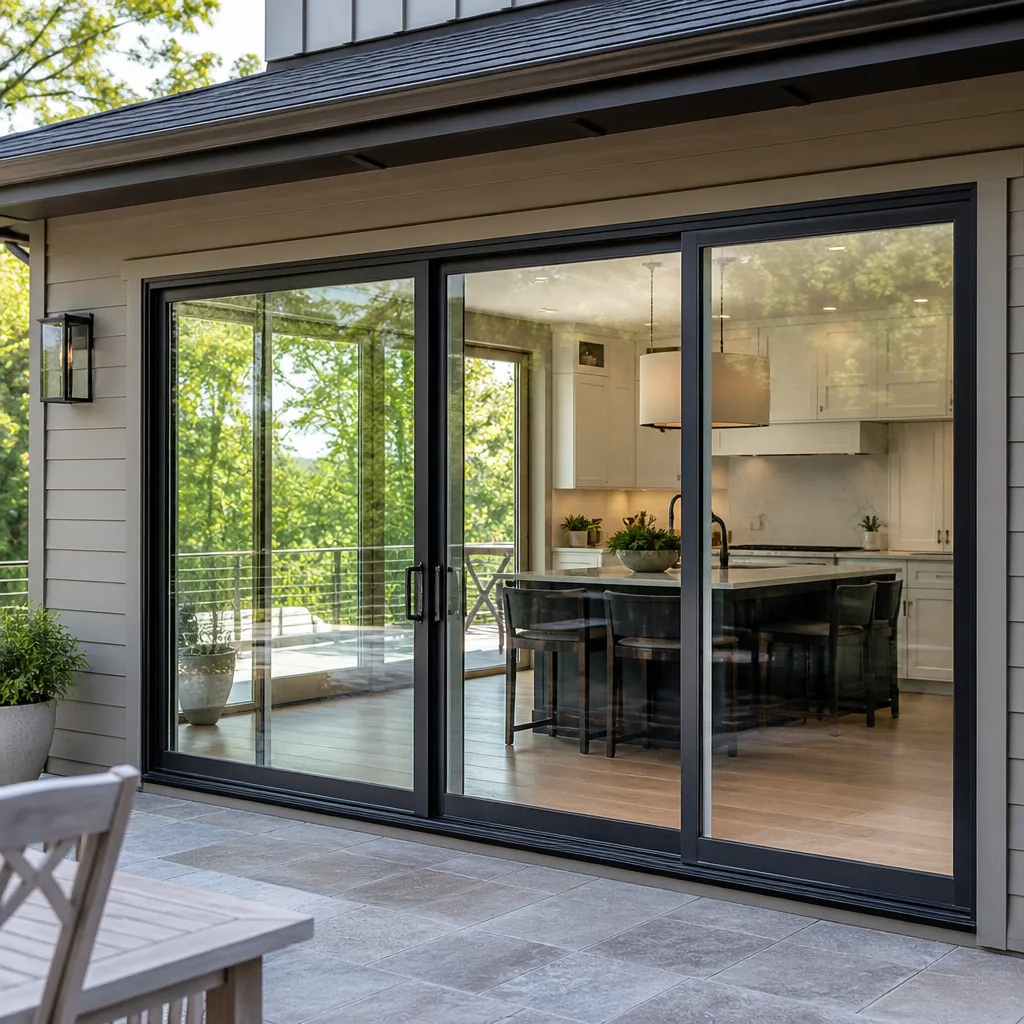 Sliding glass doors
 Single hung
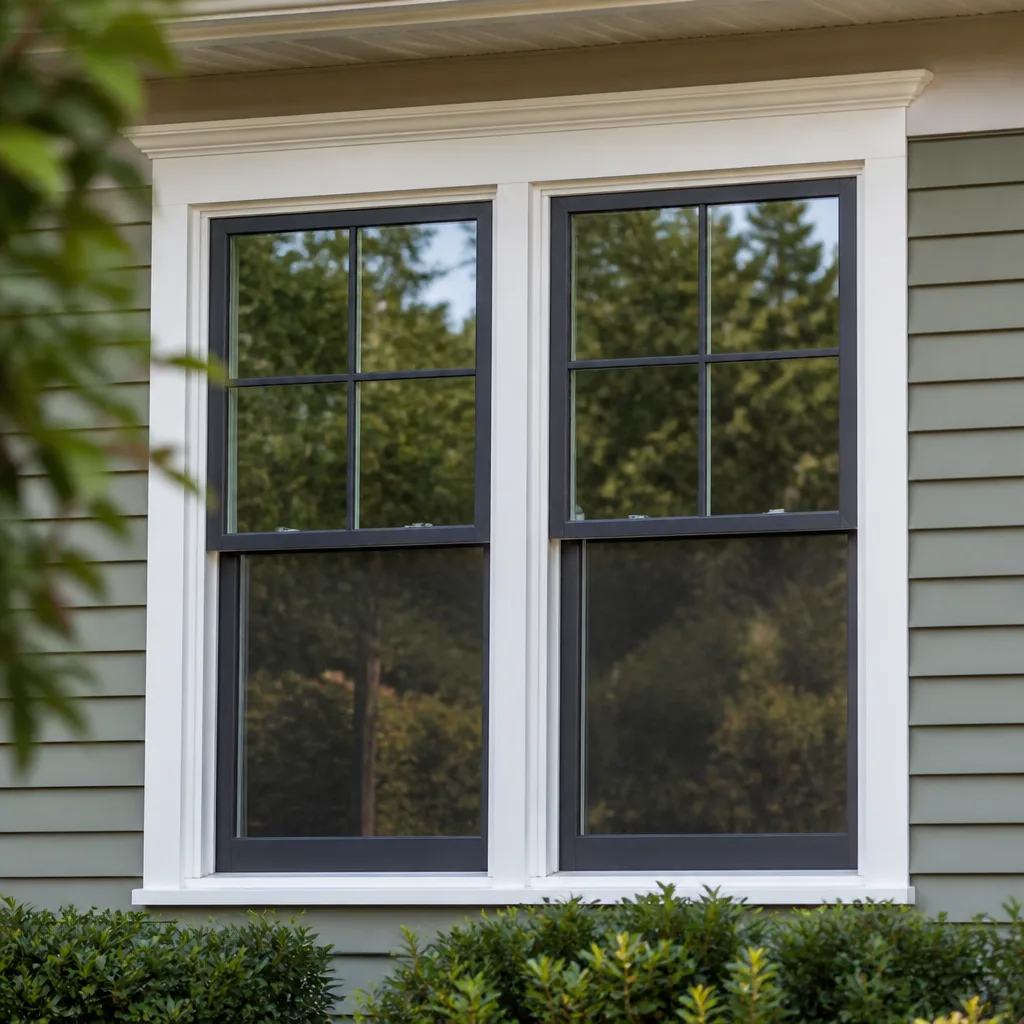 Double hung
 Horizontal roller
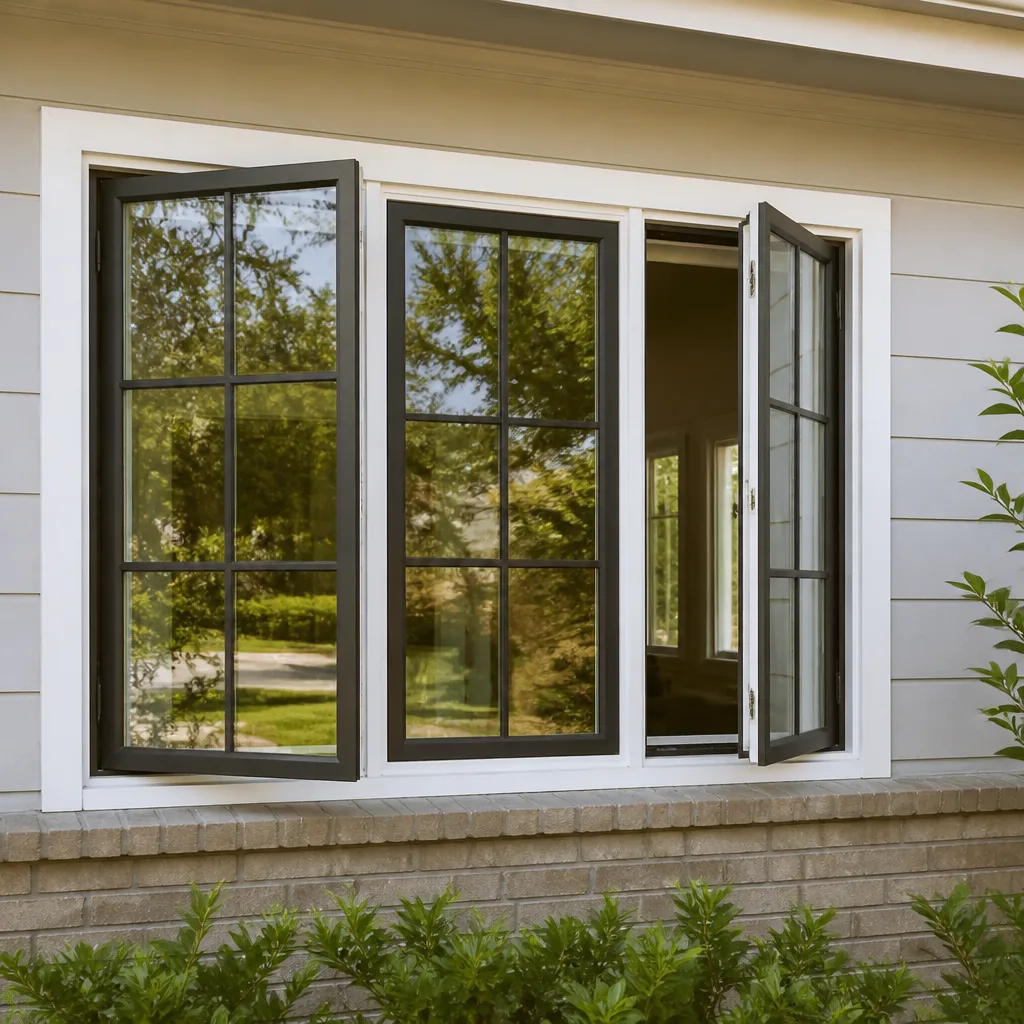 Casement
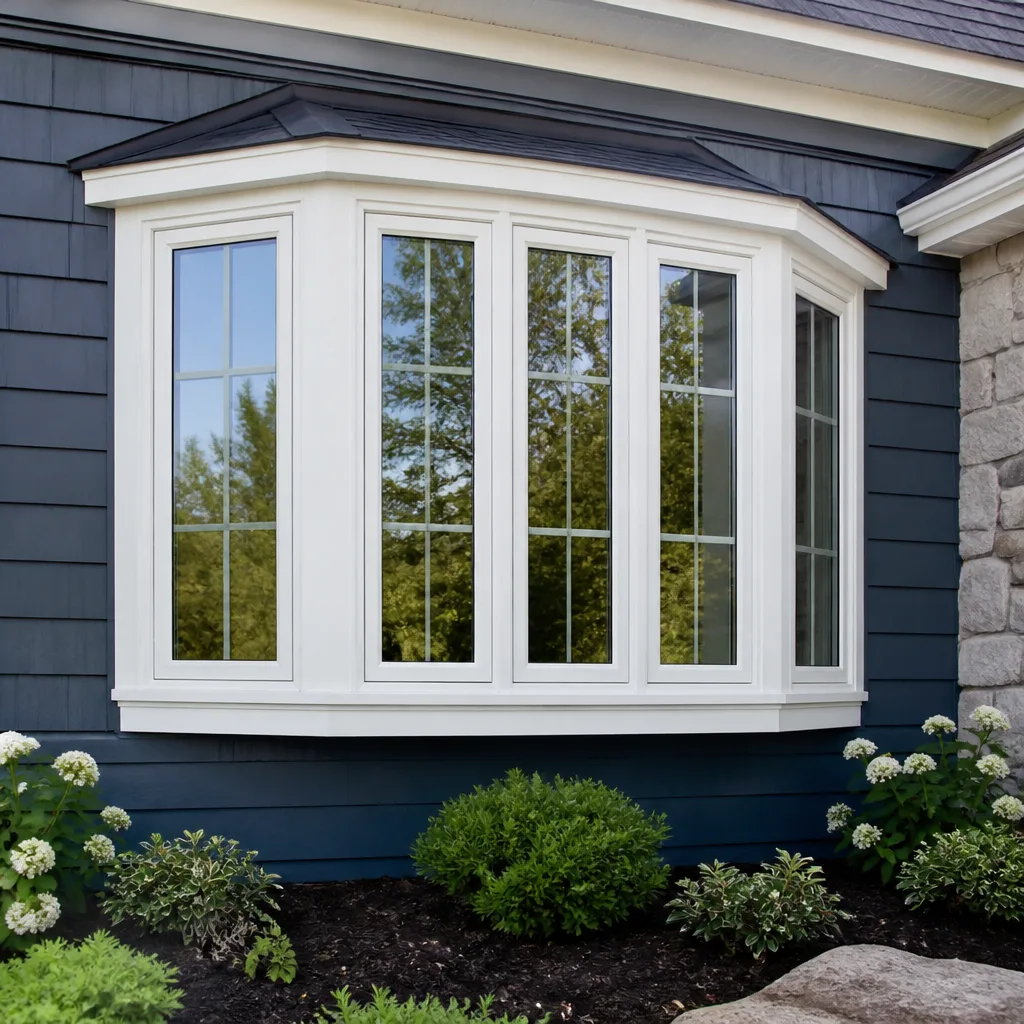 Bay & bow
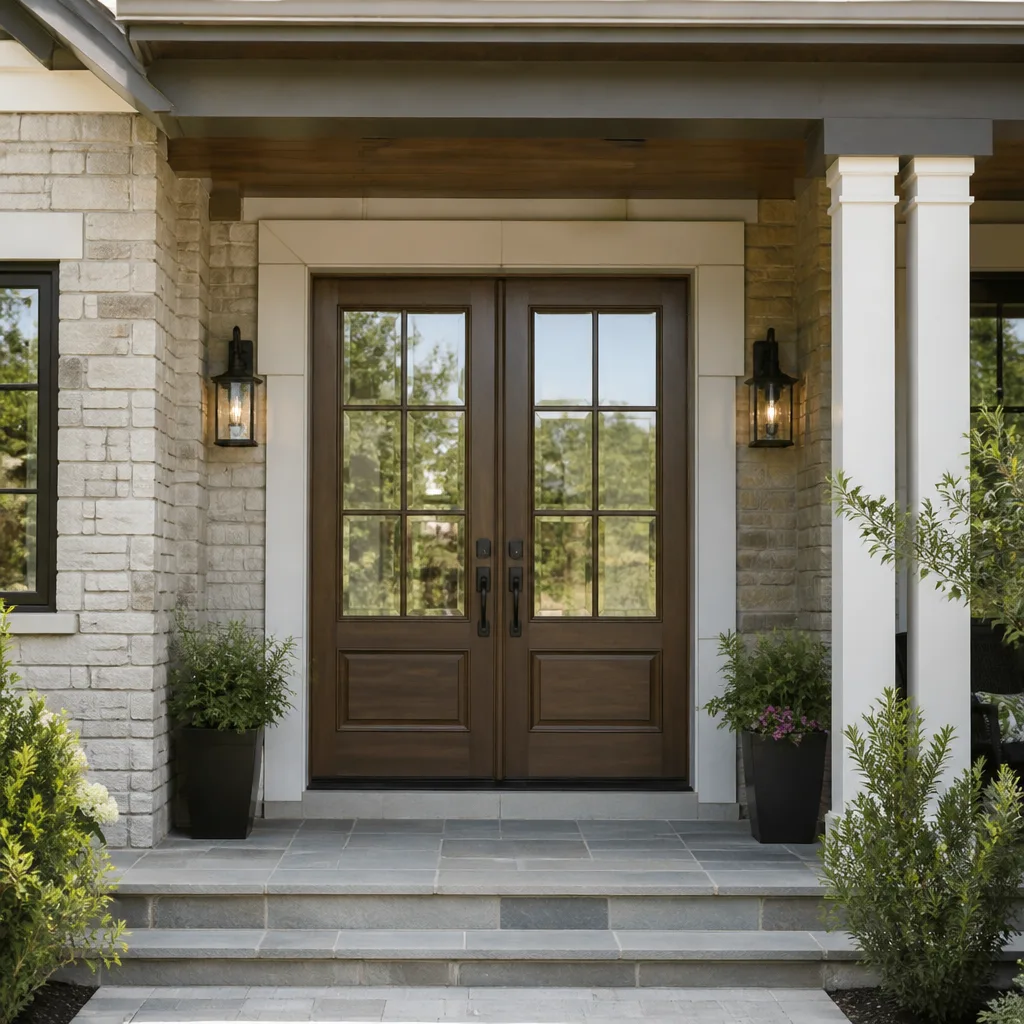 Entry doors
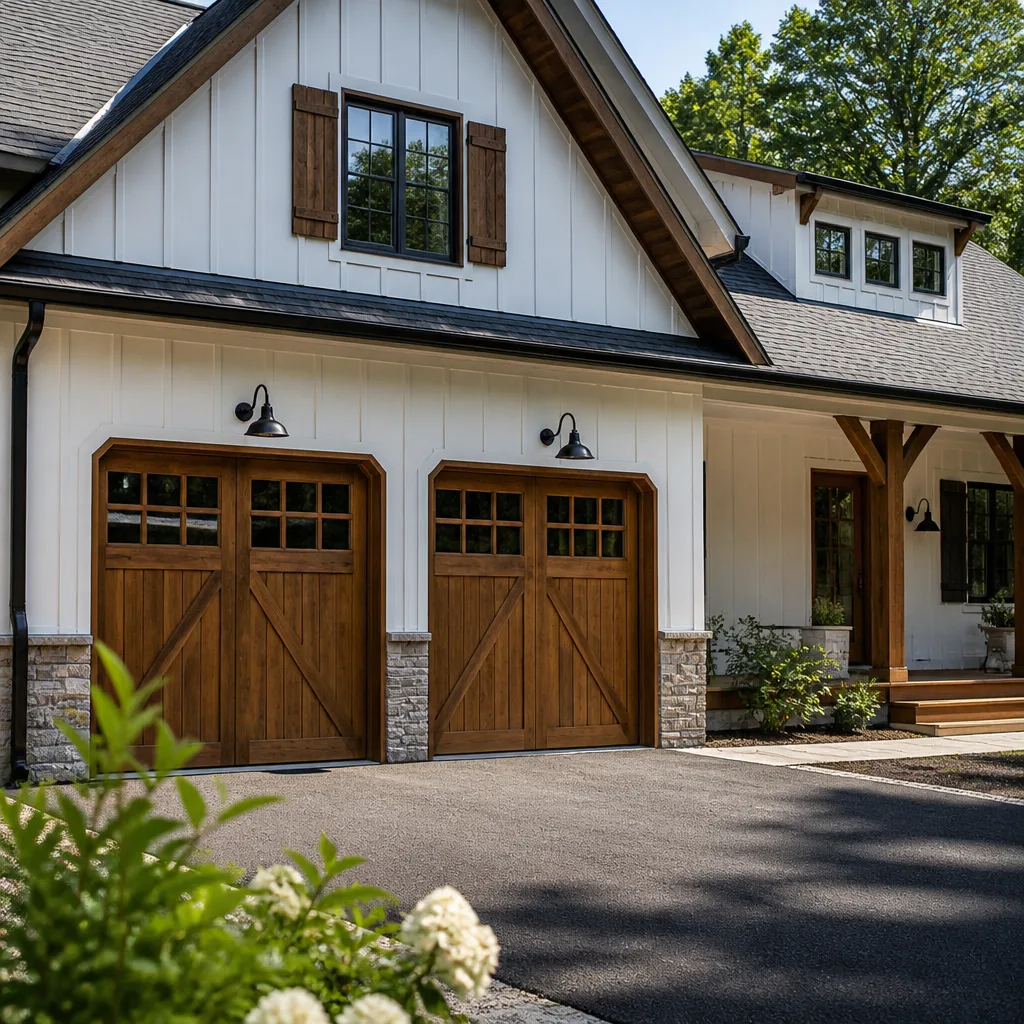 Impact garage doors
 PGT
 CGI
Free in-home measure and quote - PGT, CGI and CWS impact lines compared on your actual openings, style by style
Get your free estimateHow to Hire a Windows & Doors Contractor in Winchester: A Step-by-Step Guide
Three of the most common complaints filed with the Nevada State Contractors Board involve window and door installations where the licensed company and the crew that showed up were two entirely different entities. The license on the paperwork belongs to one business; the people prying out your old frames belong to another. In Winchester, where wind-driven dust, summer heat over 110°F, and the occasional monsoon burst punish every exterior seam, that gap matters more than most homeowners realize. This guide teaches you to audit the actual humans touching your home, not just the brand name on the truck. You’ll learn to read a Nevada license, spot subcontracting in a quote, and know exactly who is on the hook when a seal fails.
Quick Answer
To hire a windows and doors contractor in Winchester, verify the company’s Nevada State Contractors Board license number and classification, confirm in writing whether the crew that installs is employed by that licensed company or subcontracted, get a line-item written quote with no allowance language, and read the warranty to identify who actually honors it. The licensed entity, the crew on site, and the warranty holder should be the same accountable company.
Styles & brands we work with
- Single hung
- Double hung
- Horizontal roller
- Casement
- Bay & bow
- Sliding glass doors
- Entry doors
- Impact garage doors
- PGT
- CGI
Table of Contents
- How Do You Verify a Nevada Contractor License for Window and Door Work?
- The Five Questions That Reveal Whether a Company Self-Performs or Subcontracts
- Red Flags in Window and Door Quotes
- How to Read a Window and Door Warranty
- Owner-Operated Local Contract vs. Franchise or Chain Agreement
- What Winchester Homeowners Should Know About Climate and Code
- A Step-by-Step Hiring Process
How Do You Verify a Nevada Contractor License for Window and Door Work?
You verify a Nevada contractor license by pulling the license number from the contractor’s written bid, then checking it against the Nevada State Contractors Board’s public license lookup. The lookup shows the license status, the classification, the qualifying party, and any disciplinary history. Do this before you sign anything, and do it for every bid you’re seriously considering. In Winchester, we’ve watched homeowners skip this step because a salesperson was charming and the price felt right. That’s exactly when the license check pays for itself.
License classification is where most people get lost. Nevada uses lettered classifications, and a contractor can only legally perform work within the scope their classification covers. For window and door work, you want a license whose scope actually includes the installation you’re buying. A general building classification may cover the broader project, but a specialty classification exists for a reason. If a bidder’s classification doesn’t clearly match the work, ask them to explain in writing how their license authorizes that specific scope.
Three things the lookup tells you that a business card never will:
- The qualifying party. Every Nevada license has a named qualifier who passed the exam and holds the knowledge. If that person has no connection to the crew doing your install, ask who is supervising the work.
- Status and expiration. An expired or suspended license means the company cannot legally contract that work right now. It happens more than you’d think.
- Disciplinary actions. Citations and complaints are public. A pattern of them tells you how the company handles problems after the check clears.
When you’re comparing bids, bring the license number to the conversation. A contractor who hesitates to hand it over, or who gives you a “corporate” license registered to an entity in another state, has told you something important. The business you hire and the business that holds the license need to be one and the same.
The Five Questions That Reveal Whether a Company Self-Performs or Subcontracts
Subcontracting isn’t automatically wrong, but the structure changes your legal footing. When a licensed company sends a crew it employs and supervises, that company owns the outcome. When it dispatches a subcontractor, the lines of accountability get murky, especially if something fails two years later. We’ve seen Winchester homeowners caught between a manufacturer, an installer, and a dispatcher, each pointing at the others. The five questions below cut through it.
- “Will the crew that installs my windows and doors be employed by your company, or subcontracted?” Get the answer in writing. “Our installer partners” is a code phrase for subcontracting.
- “Who supervises the install on site, and are they on your payroll?” A supervisor employed by the licensed company keeps responsibility where the license sits.
- “Is the crew background-checked by your company?” This matters when strangers are working inside your home and around your family.
- “If a crew member damages something, whose insurance handles it?” The licensed company’s policy, the subcontractor’s, or yours – you want a clear answer.
- “Has this crew installed in Winchester before?” Local experience with stucco walls, HOA rules, and the area’s wind exposure is not transferable from a crew that’s never touched a Nevada home.
Why the answer changes your protections: Nevada contracting law ties warranty obligations and complaint remedies to the licensed contractor. If the licensed company self-performs, you have one party to hold responsible for labor and workmanship. If it subcontracted to a crew you never contracted with, you may find your remedies split between entities, and the crew that actually did the poor work may not be the party you can pursue. For a quick walk-through of how our own team handles installs, see Window Installation in Winchester.
Red Flags in Window and Door Quotes
A window and door quote is a contract summary, and what’s missing from it tells you as much as what’s on it. The most common problem we hear about in Winchester isn’t price – it’s line items that quietly vanish after the contract is signed, followed by a change order. The fix is to lock down the scope before anyone picks up a pry bar.
Allowance language. An “allowance” is a placeholder dollar amount for something the contractor hasn’t committed to yet. If your quote shows “trim allowance” or “hardware allowance” without specifics, the final invoice can land well above the bid. Ask for exact products, exact quantities, and exact unit prices instead.
Disappearing line items. Look for line items that appear in the sales presentation but not in the signed contract: flashing, sealant, stucco patching, disposal, permit fees, or interior trim. If it was discussed, it belongs in writing. A quote that lists an install price but no patching price is telling you the patching will cost extra later.
A suspiciously low bid. This is a structural warning, not a bargain. The gap usually means one of three things: a lower-grade product than the brand name implies, scope that will be added back via change orders, or labor that will be cut using an unbonded, uninsured crew. In our experience with Winchester projects, a bid that undercuts everyone else by 20% is priced to recover that money somewhere you can’t see.
- No written scope of what gets removed and disposed of
- Missing product model numbers, so you can’t verify the tier of glass or frame
- No mention of permits or who pulls them
- A payment schedule that front-loads most of the cost before install
- Warranty described only verbally, never on paper
Take a bad bid and hold it next to a good one. The good one names products and models, lists patching and flashing, states who pulls permits, and shows a payment schedule tied to milestones. That’s the standard to hold every quote to.
How to Read a Window and Door Warranty
A window and door warranty is only as good as the party obligated to honor it, and there are usually three parties in play: the manufacturer, the installer, and possibly a distributor. Your job is to find out which one covers which failure, and for how long. Most of the confusion in Winchester comes from homeowners assuming a single warranty covers everything, then discovering the glass is covered by one company, the labor by another, and the water intrusion by nobody.
Break the warranty into three pieces:
- Product warranty. The manufacturer covers defects in the window or door unit itself – glass seal failure, frame defects, hardware. This is usually the longest and best-defined piece, and it’s often transferable to the next owner.
- Labor and installation warranty. The installing contractor covers the workmanship: flashing, sealing, leveling, and the fit that keeps water and wind out. This is the piece that disappears when a subcontractor vanishes.
- Exclusions. Every warranty has them. Read the exclusions first. Improper installation, inadequate flashing, and acts of nature are commonly excluded – and inadequate flashing is exactly the kind of problem a subcontractor leaves behind.
Ask the bidder for the warranty documents before you sign, not after. Then ask one direct question: If a window leaks in year four because of the install, who pays to fix it? If the answer involves more than one company and a shrug, you’ve found the gap. Our Impact Windows in Winchester page explains how we keep product and labor under one promise for this exact reason. A written installation warranty held by the licensed company that did the work is what closes that loop.
Owner-Operated Local Contract vs. Franchise or Chain Agreement
The biggest difference between a locally owned, owner-operated company and a franchise or national chain usually isn’t the price. It’s who answers when something goes wrong. At a franchise, the name on the sign may be a franchisee who bought a territory with little local experience, and the crew may be dispatched from a regional pool. At an owner-operated company, the person whose name is on the business takes the call.
Here’s a side-by-side of what tends to show up on each side:
- Who you talk to: A chain routes you to a call center and a ticket number. An owner-operated local company routes you to a person who knows the job.
- Who installs: A chain often uses rotating crews from a regional pool. An owner-operated company uses technicians it background-checks and puts in uniform.
- How pricing works: A chain leans on financing-first sales scripts. An owner-operated company gives no-hassle upfront pricing and a line-item quote.
- Who stands behind it: A chain points to a corporate warranty department. An owner-operated company puts its own promise on the job.
- Where to find them: A chain may have no local address. An owner-operated company publishes its address and license number.
None of this means every chain is dishonest or every local company is good. It means the accountability is easier to trace with an owner-operated business, and in Winchester, that traceability is what you’re really buying. When a company can point to a person whose name is on the door and a license number on the wall, you know where to go when a door sticks or a window seal fails. You can start with the people who own the outcome on our Winslow Windows & Doors Winchester home page.
What Winchester Homeowners Should Know About Climate and Code
Winchester sits in a high-desert climate that shapes every exterior decision. Summer air temperatures climb past 110°F, and the sun angle drives glass surface temperatures even higher. Winters bring overnight freezes that stress sealants and gaskets. Spring wind carries fine desert dust that finds every gap in a poorly flashed frame. A window or door that performs in a mild climate can fail here if it’s installed without the right expansion allowance and flashing detail. That’s why local installation experience is a real credential, not a sales point.
Two climate realities drive most of what we see in Winchester:
- Thermal movement. Framing, trim, and sealant expand and contract through the day-night swing. Installations that don’t allow for that movement develop gaps and air leaks within a couple of seasons.
- Wind and dust intrusion. The valley’s wind exposure tests every seal. Correct flashing and the right sealant matter as much as the window itself.
On code and permits, the work should be permitted when the scope requires it, and the installing company should be prepared to pull and pass inspection. Ask up front who pulls the permit and what happens if the inspection fails. A contractor who avoids permits is a contractor who avoids accountability. Energy code requirements also apply to window replacement in Nevada, so ask the bidder to confirm the products meet current energy standards for your home. If you want to compare product tiers before you call anyone, our Window Replacement in Winchester page walks through what holds up in this climate.
A Step-by-Step Hiring Process
Here’s the sequence to follow from first search to signed contract. Each step is about eliminating surprises before they cost you money.
- Collect three written bids, not verbal estimates. Verbal numbers have a way of drifting. Written bids force every party onto the record.
- Pull every license number. Check status, classification, and discipline history on the Nevada State Contractors Board lookup before you read the price.
- Ask the five subcontracting questions. Get the answers in writing, and note which company employs the crew and the site supervisor.
- Demand line-item quotes. Products, model numbers, quantities, patching, flashing, disposal, permits, and payment milestones. No allowances.
- Read the warranty documents. Identify the manufacturer warranty, the labor warranty, and who honors each. Ask who pays if an install-caused leak appears in year four.
- Confirm the permit plan. Ask who pulls the permit and what happens if inspection fails.
- Ask who answers the phone after the sale. A live person at any hour beats a voicemail chain and a callback window.
- Check the payment schedule. A milestone-based schedule protects both sides; front-loaded payments don’t.
- Get the estimator’s name and firm number out of the bid. Then call that number yourself before you sign. Whoever answers tells you how the company operates.
We’ve seen Winchester homeowners follow these steps and still hit surprises when they skip step one or step four. The process isn’t slow – most of it fits in a couple of evenings of document review. The cost of skipping it shows up years later, in a leaking frame and a warranty nobody will honor.
Common Mistakes to Avoid
- Confusing the brand name with the installed quality. The window on the truck may be a respected brand, but the crew installing it decides whether it performs. Audit the humans, not just the logo.
- Skipping the license lookup because the salesperson was smooth. Charming is not a classification. Pull the number and check the qualifier and status every time.
- Accepting a verbal warranty. If the warranty isn’t in writing with named parties and durations, it doesn’t exist. In Winchester’s climate, install failures show up within a few seasons, often after a verbal promise has faded.
- Taking the lowest bid as the best value. A structural gap of 20% means something is missing. The missing piece usually surfaces as a change order or shortcut.
- Ignoring the subcontracting question. If you don’t know who employs the crew, you don’t know who is accountable when the flashing fails.
- Forgetting permit and inspection requirements. Permits exist to catch bad work. A bidder who wants to skip them is telling you what they expect the inspector to find.
- Not confirming the payment schedule. Front-loaded payments reduce the contractor’s incentive to finish strong and leave you holding the risk.
See the difference
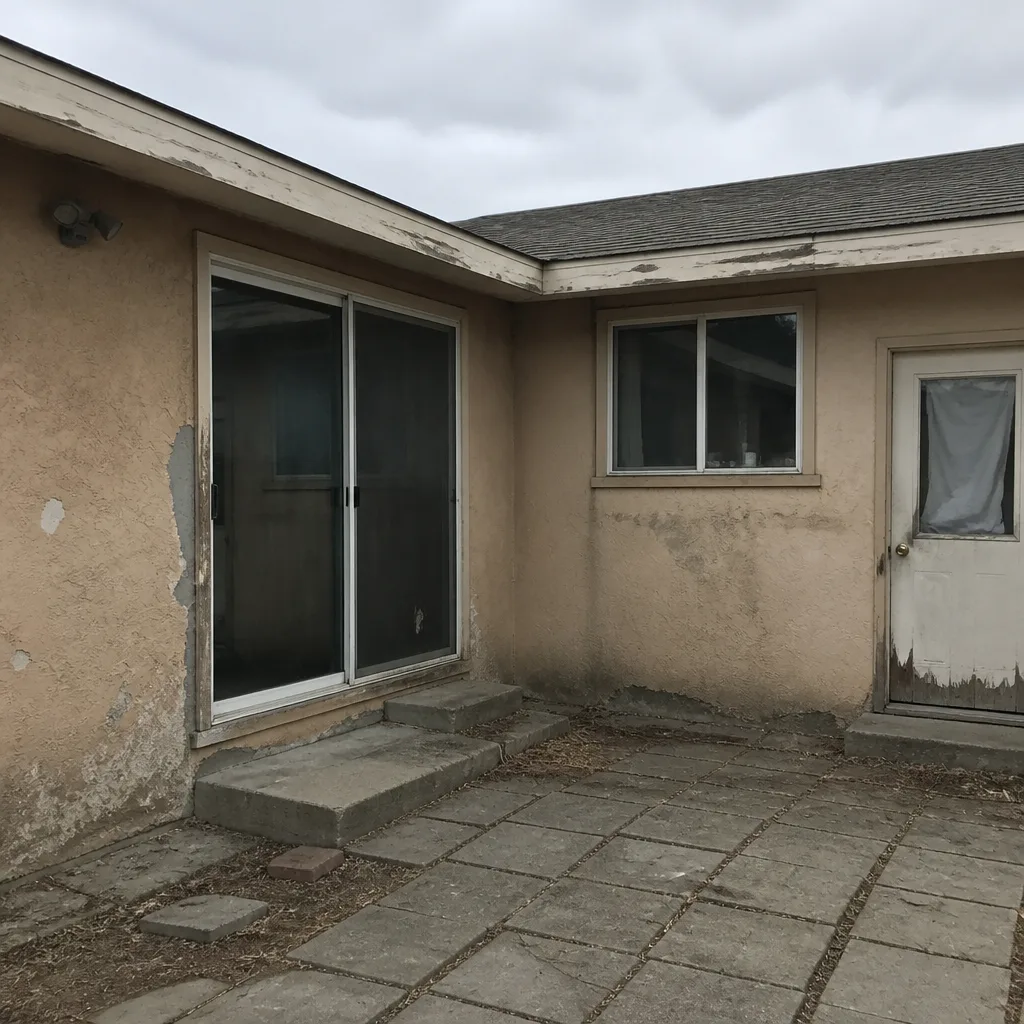 Before
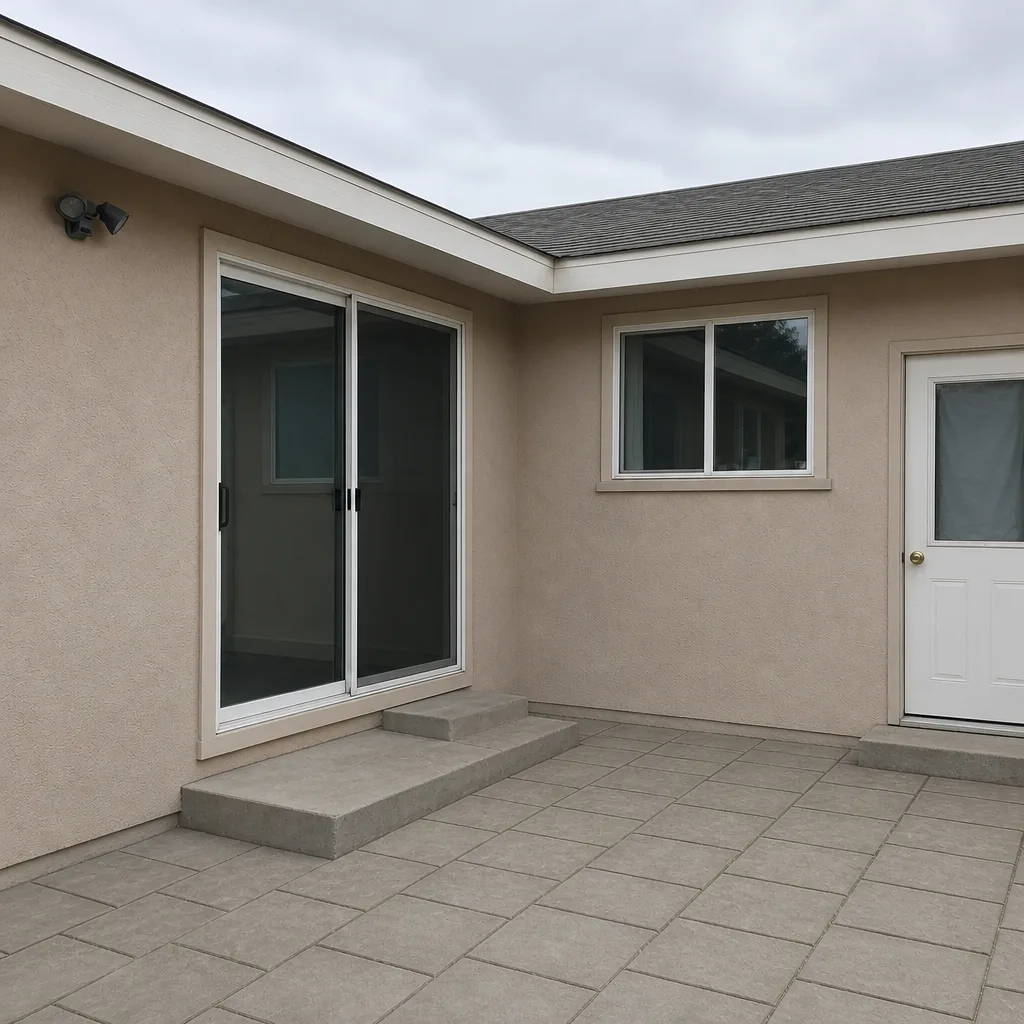 After
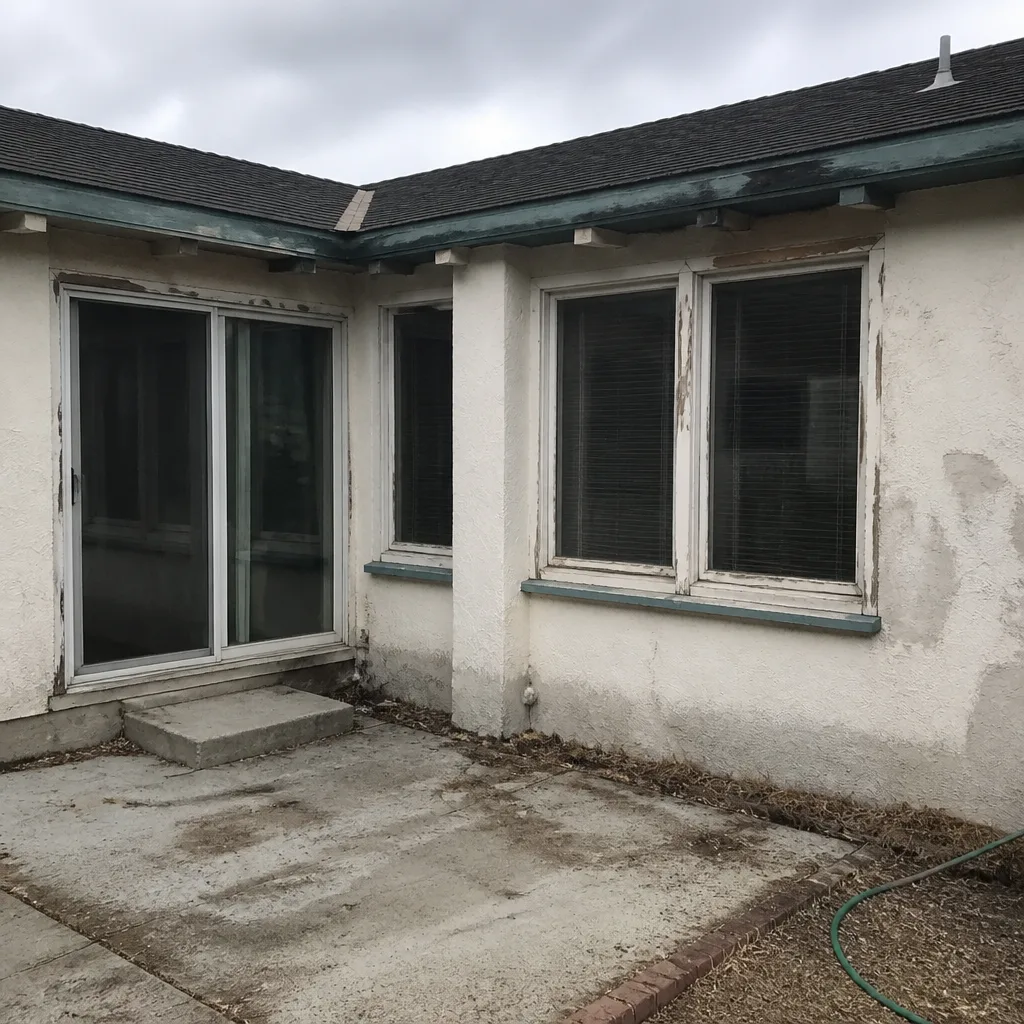 Before
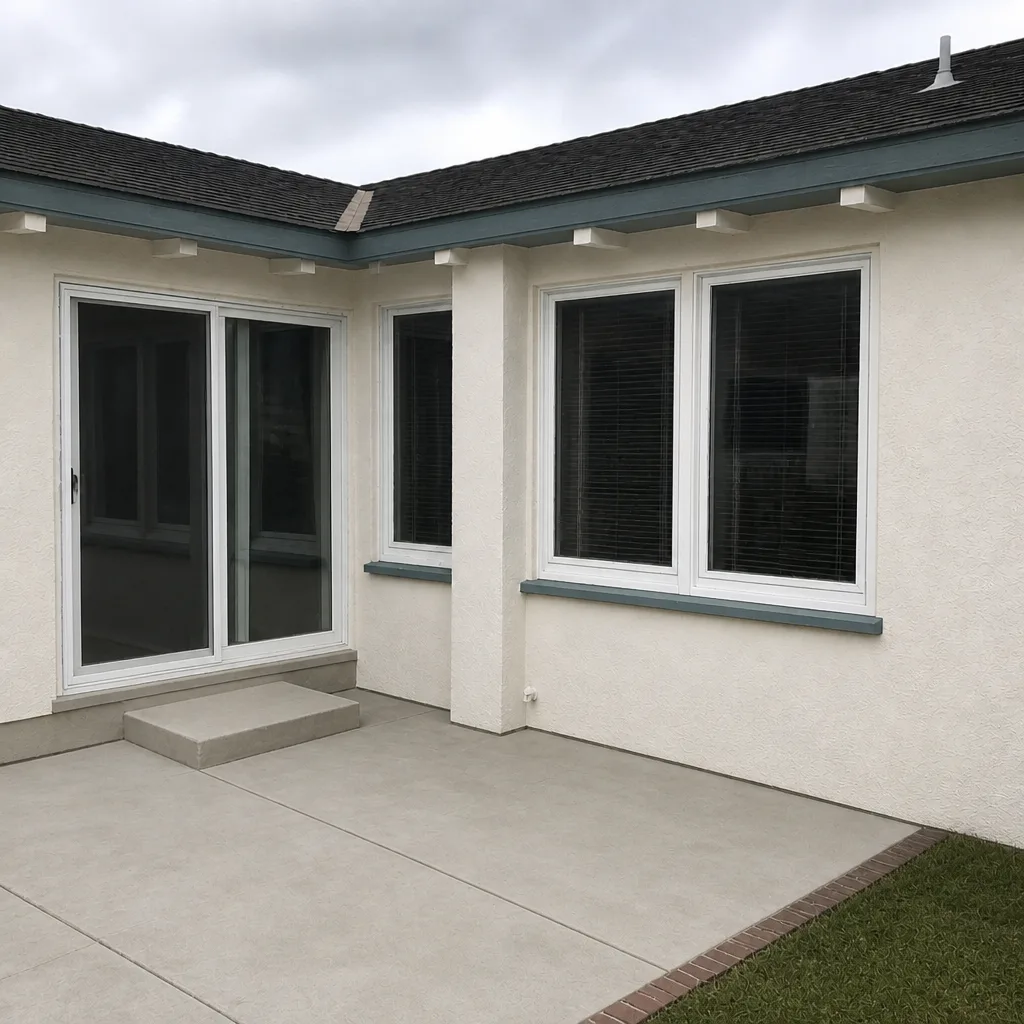 After
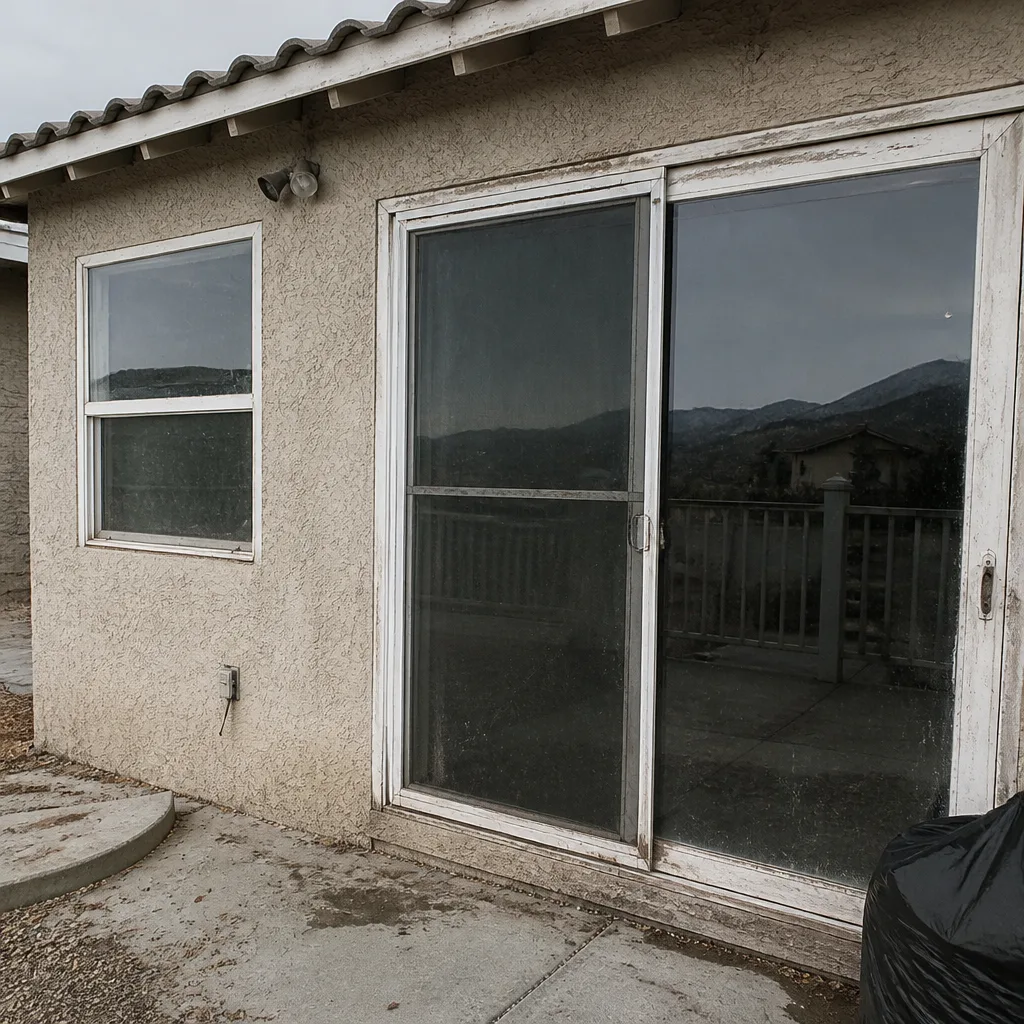 Before
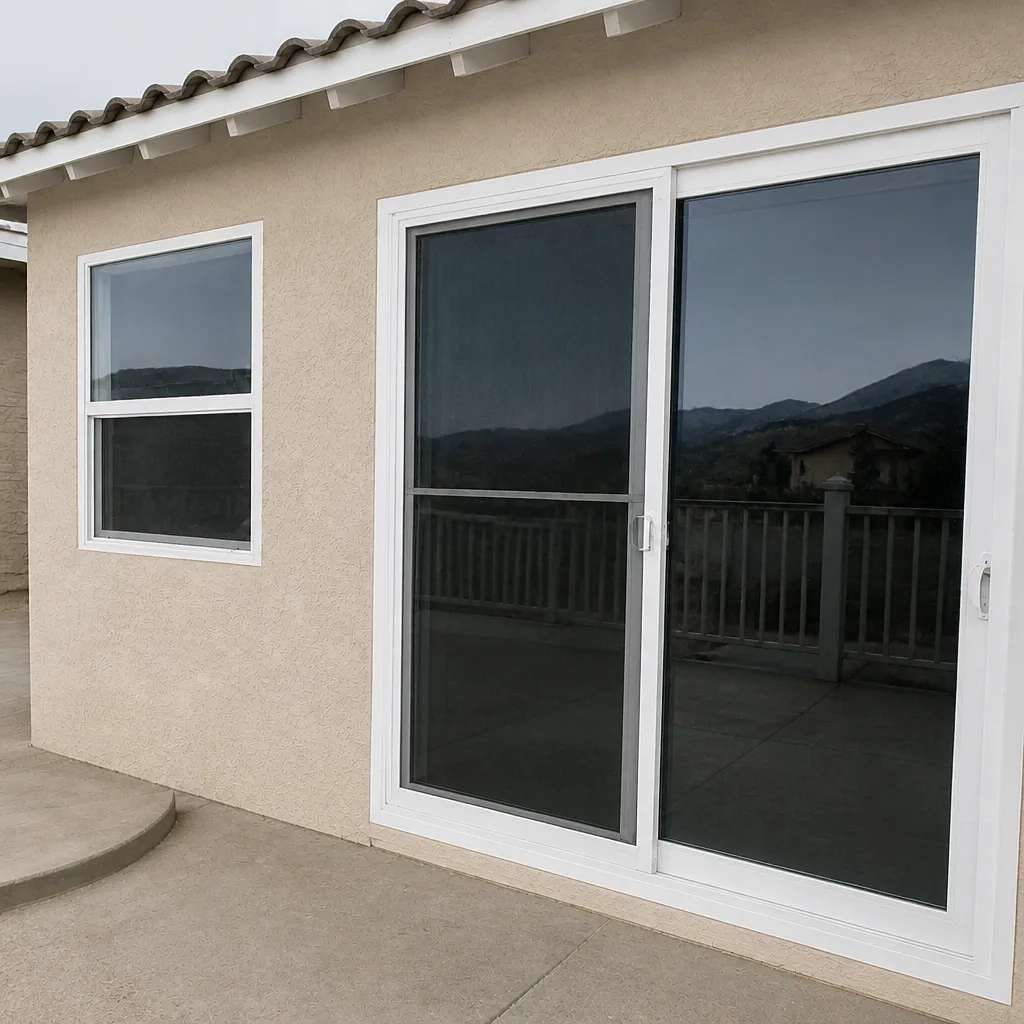 After
When to Call a Professional
Some jobs are clearly DIY territory – a squeaky hinge, a loose lock set. Most exterior work isn’t. Call a professional when you see fog between panes, water staining around a frame, daylight around a closed door, or a growing gap in the sealant that lets Winchester’s dust in. These are signs of failing seals or installation problems that get worse with the climate’s thermal swing. Contact a professional before you replace a window or door that has become harder to open or close, because binding often signals a structural or settlement issue a new unit won’t fix. If your goal is a whole-home upgrade for energy and impact performance, that’s a professional evaluation done right the first time. Winslow Windows & Doors Winchester offers free estimates in Winchester – call (855) 859-2922. Our technicians have up to 15 years of experience, come background-checked and in uniform, and every job carries our 36500-Day Done Right Promise: if it’s not done right, we make it right.
Frequently Asked Questions
Pull the contractor’s Nevada State Contractors Board license number from their written bid and check it against the state’s public license lookup. Confirm the status is active, the classification matches window and door work, and there’s no disciplinary history you weren’t told about. Call (855) 859-2922 for a free estimate from a licensed local company.
Subcontracting means the licensed company you hired is not the company doing the labor, so your warranty and complaint remedies may be split between parties. Ask directly whether the crew and site supervisor are employed by the licensed company, and get the answer in writing. A company that self-performs keeps one party accountable for both product and labor.
A written window and door quote should list product model numbers, quantities, patching, flashing, disposal, permit responsibility, and payment milestones, with no allowance language. If a line item discussed in the sales visit isn’t in the written contract, assume it will cost extra later. Call (855) 859-2922 for an upfront, line-item quote with no change orders.
The lowest bid is often a warning because the money missing from the price has to come from somewhere: lower-grade products, scope added back as change orders, or a crew cut to the bone on insurance and bonding. In Winchester’s climate, shortcuts in flashing and sealing show up as leaks within a few seasons. Ask what’s excluded before you compare prices.
The manufacturer usually honors the product warranty, while the installing contractor honors the labor and installation warranty, and those are different obligations with different durations. Read both documents, and ask who pays if an install-caused leak appears years later. At Winslow Windows & Doors Winchester, our 36500-Day Done Right Promise means we make it right if it isn’t done right.
Many window and door installations in Winchester require a permit and inspection, so ask the bidder who pulls the permit and what happens if the inspection fails. A company that avoids permits is avoiding the oversight that protects you. Call (855) 859-2922 for a free estimate and a clear explanation of the permit plan for your job.
The Bottom Line
The window and door industry runs on subcontracting chains most homeowners never see. The company you hire, the crew that shows up, and the party holding the warranty should be the same accountable business. In Winchester, where heat, wind, and dust test every exterior seam, that matters. Verify the Nevada license and its classification. Ask the five subcontracting questions. Demand line-item quotes with no allowances, read the warranty documents, and confirm who pulls permits. When a company publishes its address and license number, answers the phone with a live person, and puts its own name on the promise, you know where to go when something needs fixing. That’s what hiring looks like done right the first time.
Winslow Windows & Doors Winchester is locally owned and owner-operated, authorized to install products from CGI, CWS, and ES Windows among our eight brands, and every job carries the 36500-Day Done Right Promise. We answer the phone 24/7 with a live person, our technicians are background-checked and arrive in uniform, and our standing offers – $40 off any repair over $200, a free second opinion on any written estimate, no trip charge inside the home county, and a permanent 10% discount for seniors and veterans – are always available. We’re the one down the road. Call (855) 859-2922 to schedule your free estimate in Winchester.
Written by the team at Winslow Windows & Doors Winchester.