
Last updated November 17, 2026
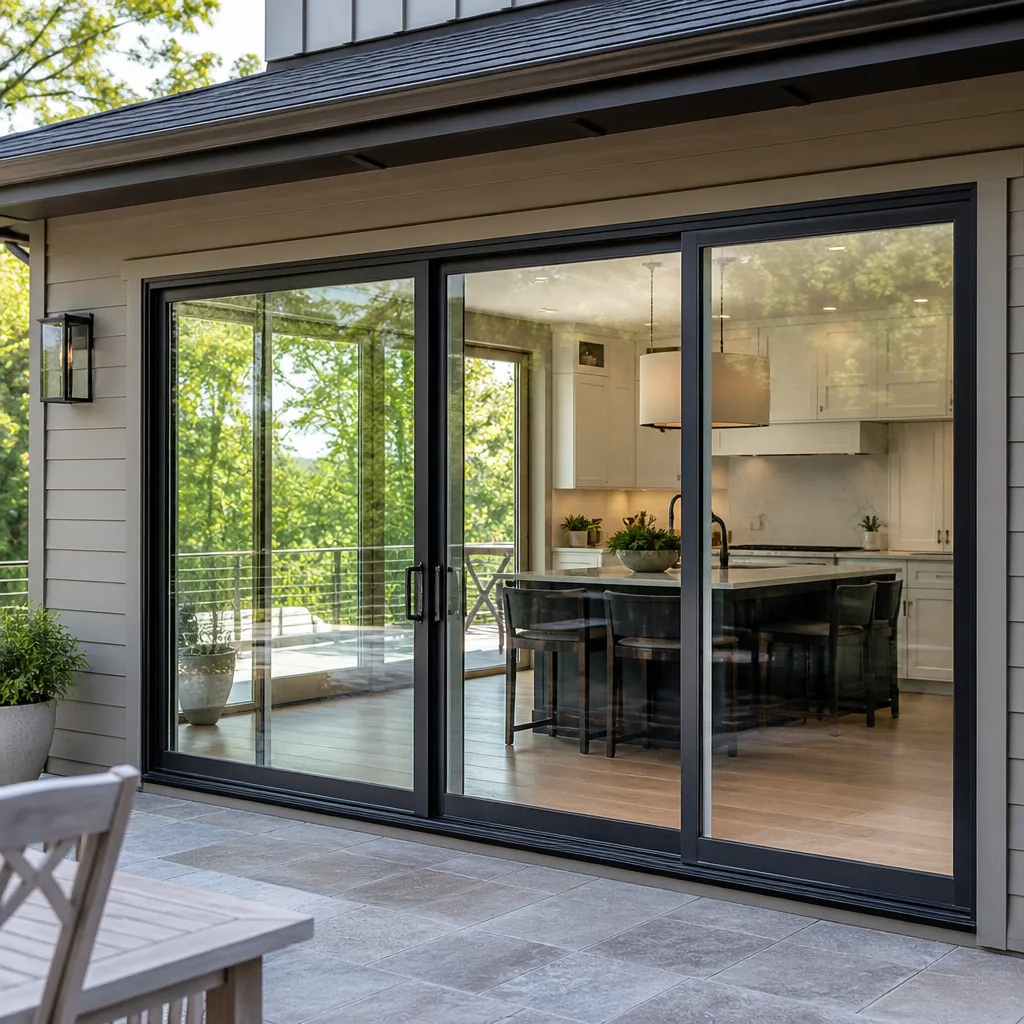 Sliding glass doors
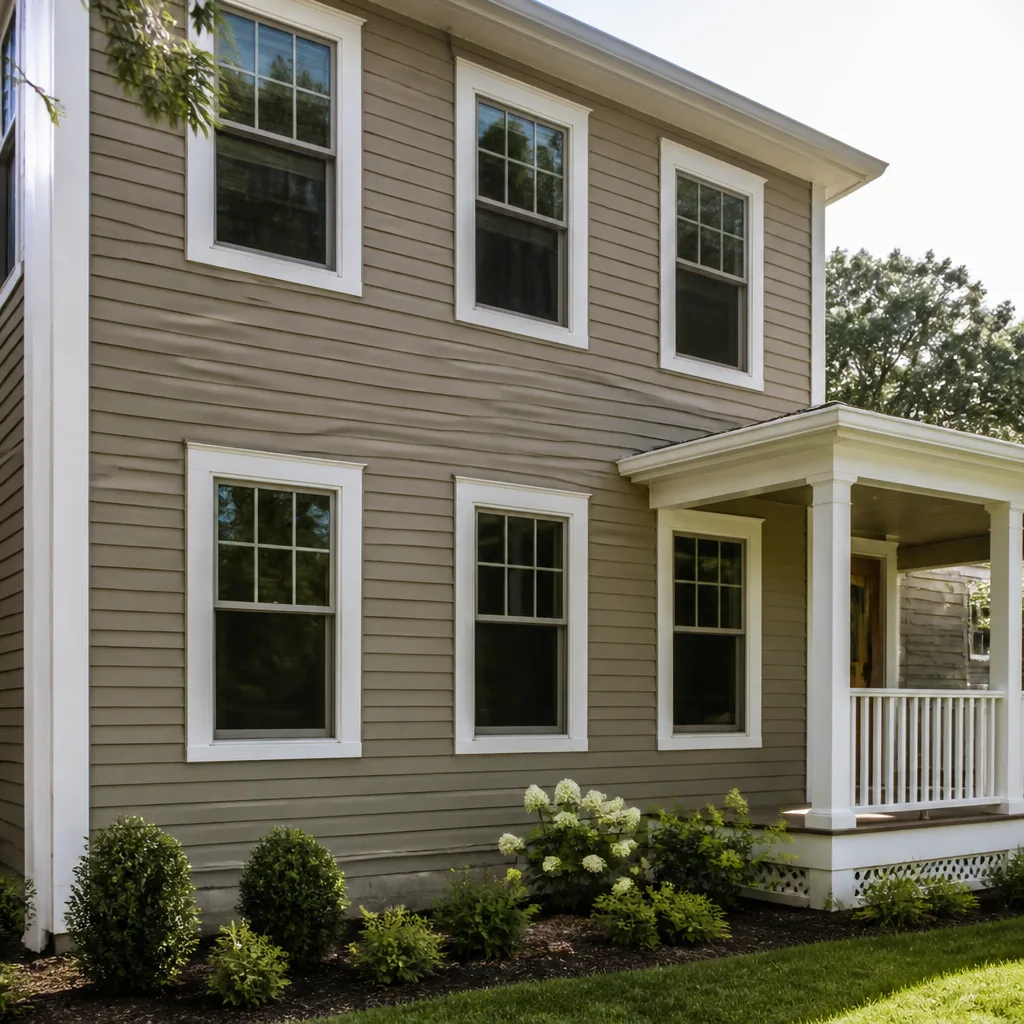 Single hung
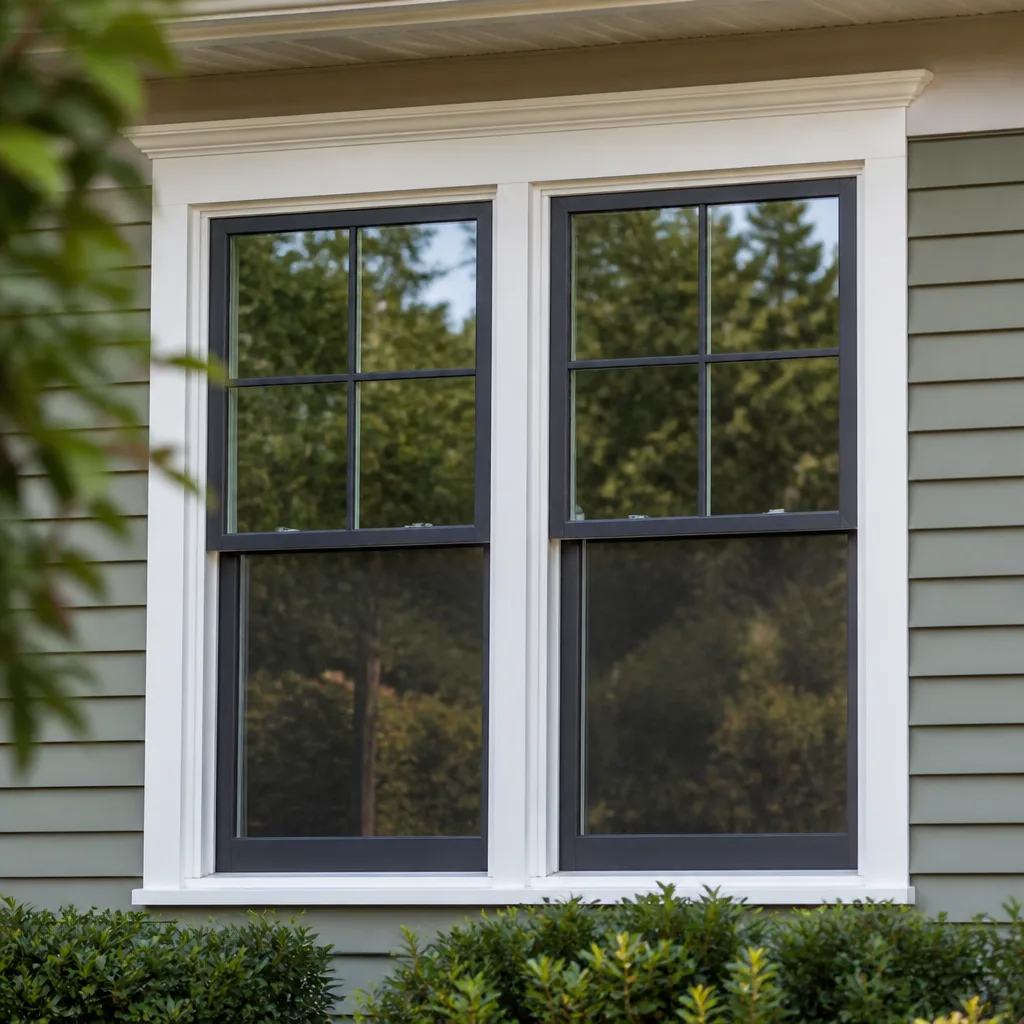 Double hung
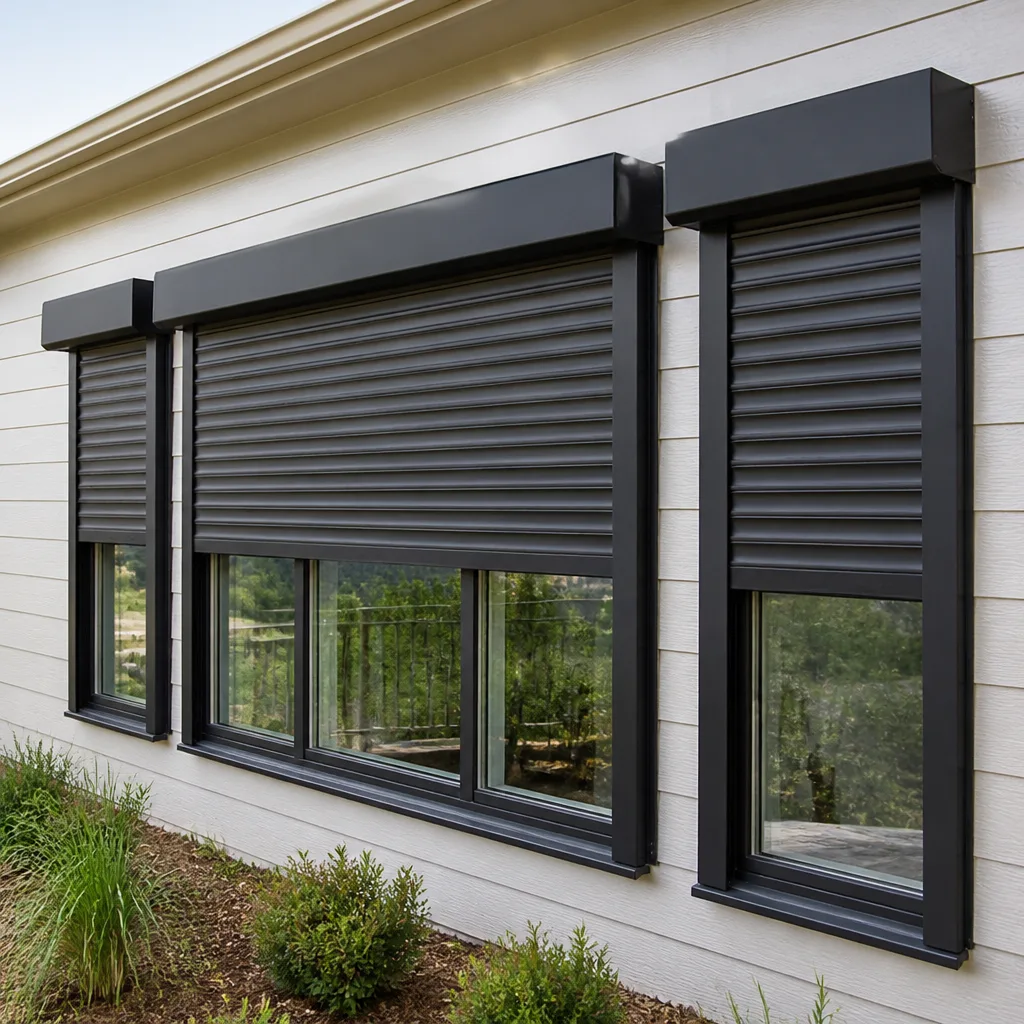 Horizontal roller
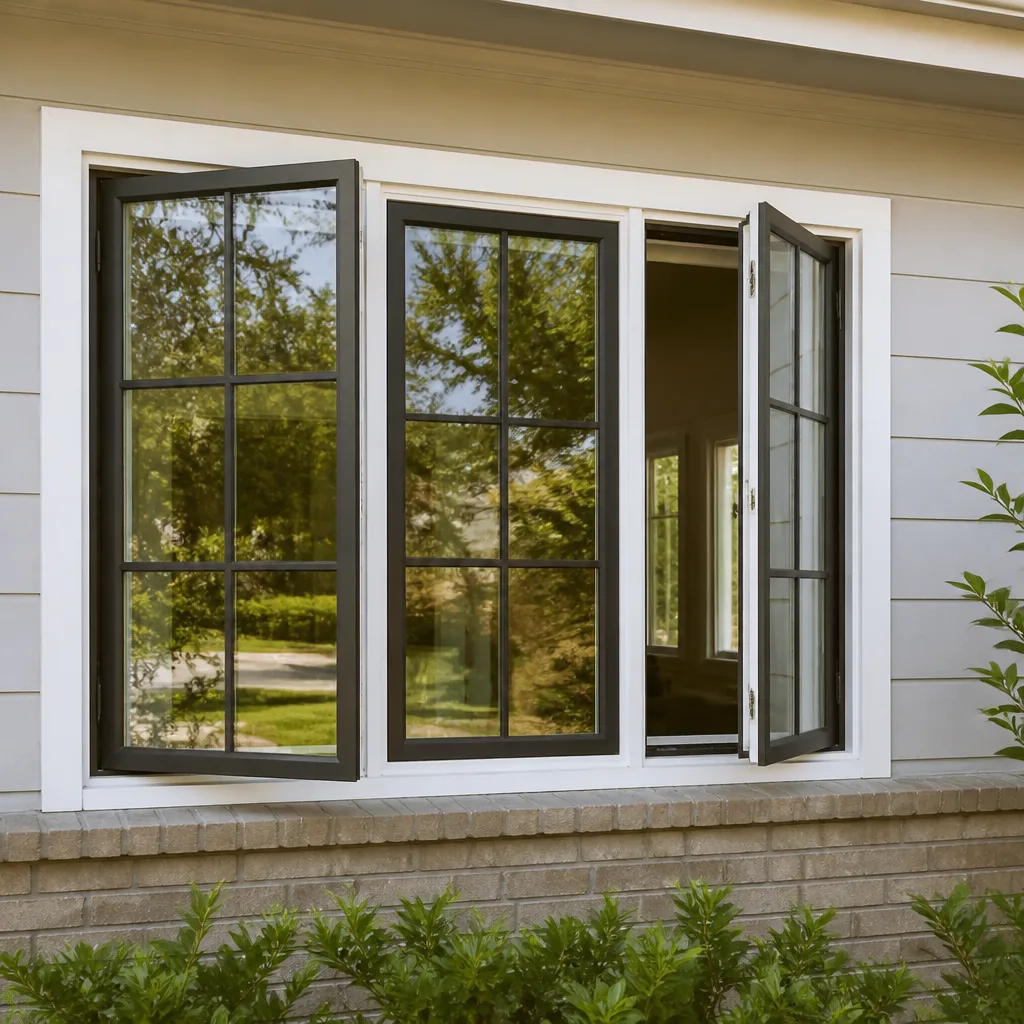 Casement
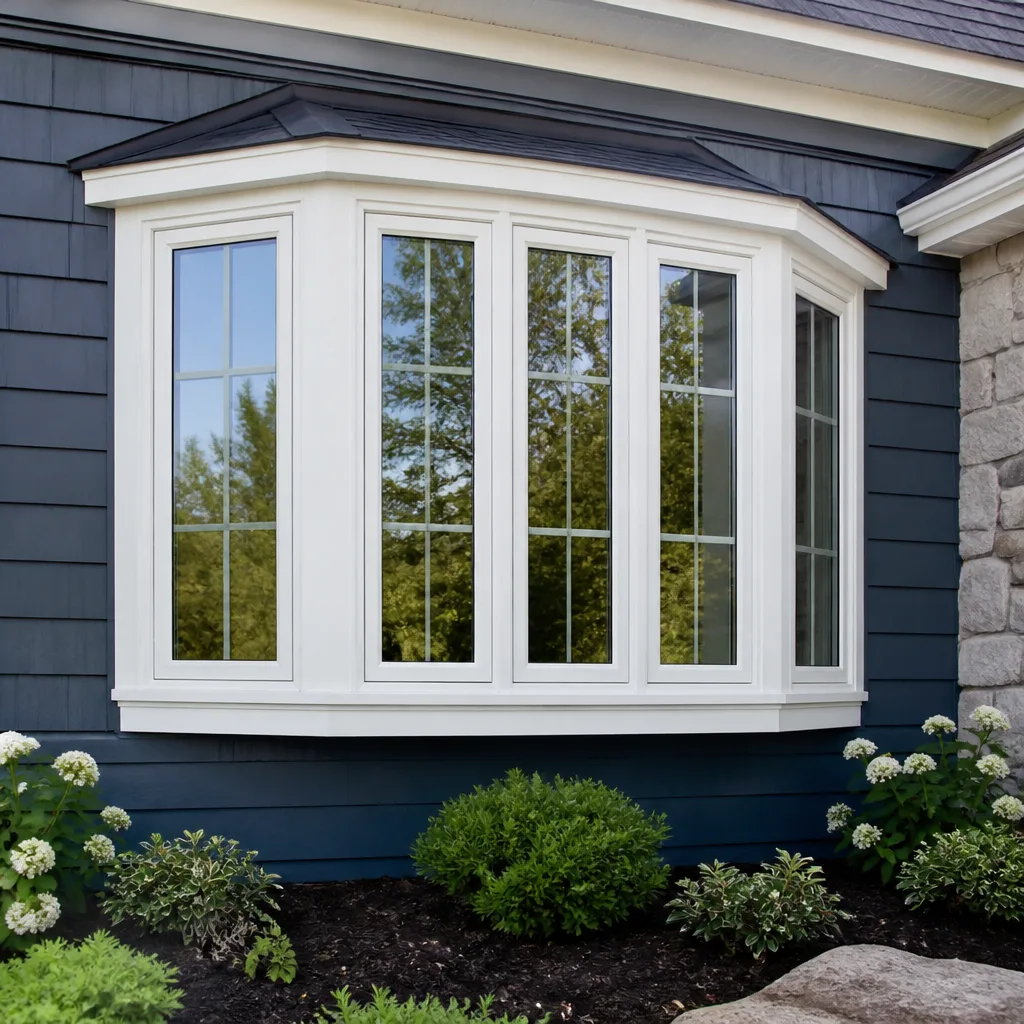 Bay & bow
 Entry doors
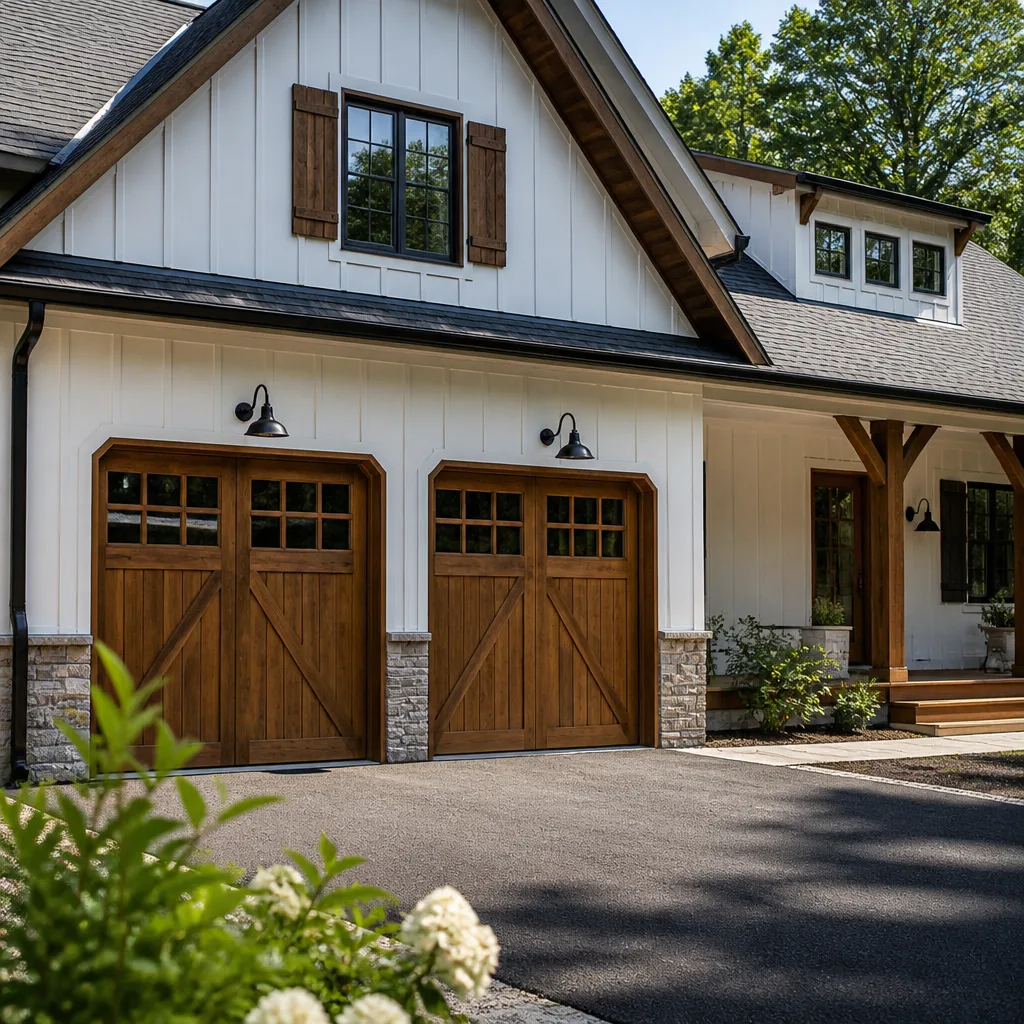 Impact garage doors
 PGT
 CGI
Free in-home measure and quote - PGT, CGI and CWS impact lines compared on your actual openings, style by style
Get your free estimateWindows & Doors Warning Signs: A Winchester Homeowner’s Reference Guide
Most window and door failures don’t happen overnight. They announce themselves months in advance – a faint draft, a frame that sticks in July, a foggy streak that appears between two panes of glass. The problem is that homeowners don’t know what those signals mean, so they attribute them to settling, humidity, or a bad seal on the weatherstripping and let the cheap repair window close. By the time the symptom is impossible to ignore, the fix has moved from a few hundred dollars to a few thousand. In Winchester, where summer temperatures regularly push past 105°F and winter nights still dip near freezing, exterior systems cycle hard in both directions. This guide decodes the warning signs so you can act while the repair is still affordable.
Quick Answer
In Winchester, the warning signs that matter most are: condensation or fogging inside sealed double-pane glass (a failed seal, already costing you energy), doors or windows that stick in one season and move freely in another (frame or foundation movement), water staining on the interior frame or sill (a flashing or rough-opening leak), and cracks radiating from window corners (possibly a structural issue bigger than a window replacement). Every one of these gives you a timetable – some repair windows are weeks, others are years – and knowing which is which is the whole point of this guide.
Styles & brands we work with
- Single hung
- Double hung
- Horizontal roller
- Casement
- Bay & bow
- Sliding glass doors
- Entry doors
- Impact garage doors
- PGT
- CGI
Table of Contents
- Warning Sign 1: Condensation and Fogging Between Panes
- Warning Sign 2: Doors and Windows That Stick
- Testing for Air Infiltration: The Dollar Bill and Candle Tests
- Reading Cracks: Settling Versus Structural Movement
- Reading Water Stains: Glass, Frame, Flashing, or Rough Opening
- The Timeline From First Sign to Structural Damage
- Why Winchester Wind and Dust Accelerate Wear
- When to Call a Professional
Warning Sign 1: Condensation and Fogging Between Panes
A condensation streak between double panes isn’t an aesthetic flaw. It’s a seal failure that has already compromised the insulating gas fill, and that window is now performing like single-pane glass. Every degree of summer heat and every cold pull from the desert night is reaching straight through. You’ll see it on the glass, not on the room side and not on the exterior side – that interior fog is the tell.
Two kinds of moisture look similar but mean different things:
- Surface condensation on the inside of the glass: usually indoor humidity meeting a cold surface. Higher-performing windows reduce this. Clean it, run a fan, and watch whether it recurs.
- Condensation or fog inside the glass unit: a broken seal. The window cannot be repaired by wiping or cleaning. The unit – the insulated glass assembly – needs replacement.
In Winchester, seal failures show up most often on the south- and west-facing windows. Those are the ones taking the full afternoon sun from May through September, and the temperature swing on the glass and the gas inside the unit is the hardest on the perimeter seal. We’ve torn out window replacements in Winchester where six or seven units had failed on the same side of the house within a couple of years of each other. When the units are failing in clusters, patching one at a time usually costs more in cumulative labor than replacing them together.
What it costs you in the meantime: a compromised unit loses a meaningful share of its insulating value. You don’t get a line item on your power bill that says “failed window,” but you feel it on the summer cooling and again in the cold months. Acting on a fogged pane early almost always costs less than waiting until the frame or sill absorbs the moisture that’s now moving through the failed seal.
Warning Sign 2: Doors and Windows That Stick
A sticking door or a window that won’t slide is a symptom, not a diagnosis. The cause could be a $15 hardware fix, a $600 frame adjustment, or a much larger structural conversation. Getting this one right matters because the price tags are wildly different.
Start with the diagnostic questions:
- Does it stick only in one season? If the door drags in summer and swings free in winter, you’re looking at thermal expansion – likely a frame or wood issue, manageable.
- Does it stick all the time, and has it gotten worse over months? That points toward frame racking or something underneath it, and it’s worth investigating rather than forcing.
- Is the sticking accompanied by a visible gap or crack at a corner? Is the door square in the opening or visibly out of plumb? Out-of-square openings with corner cracks can indicate foundation or settlement movement. This is the one you don’t ignore.
- Does the door rub at the top or bottom, or along the latch side? Top or bottom rubbing is usually hinge or frame; latch-side rubbing plus a gap in the corners is worth a closer look.
The three fixes, priced in order of severity:
- Hardware fix (hinges, rollers, strikes, latch alignment): the lowest-cost repair, and the most common cause of a sticking sliding door or patio door.
- Frame correction (shimming, planing, re-setting a unit in a rough opening, weatherstripping): moderate cost – a proper repair, not a replacement.
- Foundation or settlement correction: a structural matter, not a window matter. Replacement windows can mask the symptom temporarily, but the movement continues. Never accept a window as the “fix” for an out-of-square opening without understanding what’s causing it.
A sticking entry door in a Winchester home with original 1990s construction is often a hardware and weatherstripping issue, not a foundation problem. But the diagnostic above is the only way to know for sure.
Testing for Air Infiltration: The Dollar Bill and Candle Tests
Drafts move money. A window that lets air through every hour of every summer day is quietly raising your cooling bill; in winter, the same window pulls warm air out. You can find the worst offenders yourself in a few minutes.
The dollar bill test – a quick check for seal and gasket condition:
- Close the window or door on a dollar bill placed at intervals around the perimeter – corners, midpoints, latch side.
- Try to pull the bill out. If it slides free with no resistance, the gasket or weatherstripping has lost contact at that point.
- Test each operable window or door this way. Note the spots where the bill slips out easily.
The candle test – a check for active drafts, on a windy day:
- Light a candle and hold it near the frame edges, sill, and the meeting rail of a window – slowly, so your movement doesn’t generate the flicker.
- A draft will bend or flutter the flame at the leak point.
- Keep it away from curtains and anything flammable, and use this as a spot-check rather than a full-home audit.
What the results mean in dollars: air leakage through gaps and worn seals is one of the most common sources of unnecessary summer cooling cost in Winchester homes. The exact figure depends on the number of leaking units, the age of the home, and your cooling setpoint, but a house with four or five genuinely leaking windows and a loose patio door is losing real money month after month. Replacing weatherstripping and gaskets is the cheap fix where the frame is sound; where the frames themselves have warped or failed, window installation in Winchester with a properly sealed exterior assembly is the durable answer.
Reading Cracks: Settling Versus Structural Movement
Cracks around a window or door frame are not all created equal, and the difference matters enormously. The visual signals separate a cosmetic settling crack from a warning you should not sit on.
Settling cracks typically:
- Are hairline or very thin, and appear at corners or where two materials meet.
- Have not grown noticeably over the last year – you can measure them with a pencil line on the date you spot them.
- Appear at windows and doors throughout the house roughly equally, not concentrated in one area.
- Show up in newer construction in the first few years, then stabilize.
Movement cracks usually:
- Are wider than a hairline, or visibly growing when you check again after a few weeks.
- Run diagonally from window or door corners and continue into the surrounding wall material.
- Cluster around one or two openings rather than appearing evenly across the home.
- Show up with doors that no longer latch or windows that bind in the same location.
Movement cracks are sometimes beyond a window replacement’s reach. Replacing the window in an opening that is actively moving is like hanging a new door on a shifting wall – the new unit binds too. In Winchester, the fast cycles of summer heat and winter cold work on exterior assemblies more than in milder climates. If you’re unsure which category you’re looking at, take dated photos and track them for a few weeks; a pattern tells the story. In our experience, waiting on a crack that’s still growing is the most expensive mistake on this list.
Reading Water Stains: Glass, Frame, Flashing, or Rough Opening
The location of a water stain tells you where the water is coming from – and that tells you whether the fix is a seal, a frame, or something in the wall assembly.
- Stain at the bottom of the glass, in the sill track: water is getting in past the glass and frame interface, or the weep system is clogged. Often a gasket or weep-hole fix. Cheap, if caught early.
- Stain on the frame or frame corner, usually low: a gasket, seal, or corner joint issue. The wood or composite frame is absorbing moisture. Act before it rots.
- Stain above the frame or on the wall/ceiling above the window, usually on the top edge: the flashing above the window or the exterior seal is failing. Water is getting behind the assembly, and window replacement alone won’t fix a flashing failure. This is the one that surprises homeowners, because they expect a “window” problem to be a glass or frame problem.
- Stain spreading inside the wall cavity around the rough opening, or visible at the interior trim joint: the rough opening itself is wet – the deepest issue. This is the rough-opening leak that can rot framing if left alone.
Stains that appear only after a hard monsoon downpour point to the exterior assembly. Stains that appear with fog or mild rain point to a more constant leak path. Winchester’s summer storms arrive fast and hit at angles that standard roof-window flashing was not always designed for, and we regularly see staining on the top edge of window assemblies after a heavy monsoon. It’s the stain you can’t quite see that does the most damage; poke gently at the trim below the sill where the paint is bubbling, because moisture hides there.
The Timeline From First Sign to Structural Damage
Every warning sign buys you time, and the amount of time differs by problem type. Here’s the practical version, based on what we see in Winchester homes:
- Fogged or failed sealed unit: years, not days. The glass won’t fall out, but the unit is losing insulating value every month. Cheap to fix while the frame is sound; more expensive when moisture has degraded the frame or sill.
- Air infiltration at weatherstripping: years. A dollar-bill test that shows leaking gaskets is a repair, not an emergency. Fix it in the next season.
- Sticking door that sticks only in one season: months to years. Track it; if it changes, escalate.
- Water staining at the sill track or low frame: weeks to months. Water is already inside the frame. Don’t wait a full year on this.
- Water staining from the top edge or above the frame: weeks. Flashing and exterior leaks accelerate; dry-season assessment rarely catches what the first storm will do.
- Actively moving cracks at corners: get an assessment now. Movement doesn’t self-correct, and the cost curve rises steeply.
We frame it this way for homeowners so they can triage: the fogged window is annoying, the stained sill is urgent, and the rising crack is a call we want you to make today. The repairs are all things impact windows in Winchester and properly installed replacement assemblies prevent from coming back, especially when the exterior assembly is built for the wind and heat this area throws at it.
Why Winchester Wind and Dust Accelerate Wear
Winchester sits at the edge of the Mojave, and the local climate is hard on exterior assemblies in a way that coastal or valley climates aren’t. Summer highs routinely cross 105°F. Winter nights cool fast. That expansion-and-contraction cycle – often the same week – works on glass seals, weatherstripping, and frame joints with a rhythm that milder climates don’t produce.
Then there’s the dust and wind. Desert wind drives fine grit against the seal at the glass-to-frame joint, and over seasons the grit grinds away the weatherstripping and opens the kind of pinhole path a dollar bill slips through. The occasional monsoon delivers a dramatic test of the flashing and exterior seals, all at once. We see window hardware in Winchester corrode faster than you’d expect because the dust carries salts and the wind drives it into every crevice; patio door rollers, in particular, are the first casualty of a dusty summer.
What helps:
- Clean and lubricate the tracks on sliding doors and windows twice a year – spring before the heat and fall before the cold.
- Inspect weatherstripping and gaskets every fall; replace worn sections before the cold season tests them.
- Watch for the first fogged pane after the first hot spell; that’s when a seal that survived the winter fails.
- Keep weep holes in sill tracks clear, because blocked drainage is why so many sill stains start.
The reward for this small maintenance routine in Winchester is years of added life from the units you already own. The cost of skipping it shows up as premature replacement. Our technicians have up to 15 years of experience watching these symptoms and knowing which are manageable and which are the early warnings you shouldn’t ignore.
When to Call a Professional
You can read most of the warning signs in this guide yourself, and the dollar bill test and candle test are worth doing twice a year. What you can’t do safely from the inside of the house is judge whether the sticking door is hardware, frame, or foundation, or whether the crack at the corner is cosmetic or actively moving. That judgment call is where a professional assessment saves you the most money, because the wrong diagnosis is how a cheap repair turns into a big one. Call us if any of these match:
- Fogging or condensation between two panes on one or more units.
- A crack at a window or door corner that is visibly wider or longer than it was last month.
- Water staining on a sill, frame, wall, or ceiling near a window or door.
- A sticking entry door, patio door, or window that’s gotten worse over a season or two.
- Air infiltration noticeable at multiple windows after the dollar bill test.
- Any doubt about whether your situation is the cheap repair or the expensive one.
Winslow Windows & Doors Winchester offers free estimates in Winchester, and we won’t sell you a window replacement for a weatherstripping problem. If you have a written estimate from another contractor, bring it in for a free second opinion – we’ll tell you straight whether the recommendation matches what we’d have found. Call (855) 859-2922 and a live person answers, any hour. If you’re still early – testing a couple of windows, tracking a crack with dated photos – call anyway and we’ll help you sort the urgent signs from the ones that can wait.
See the difference
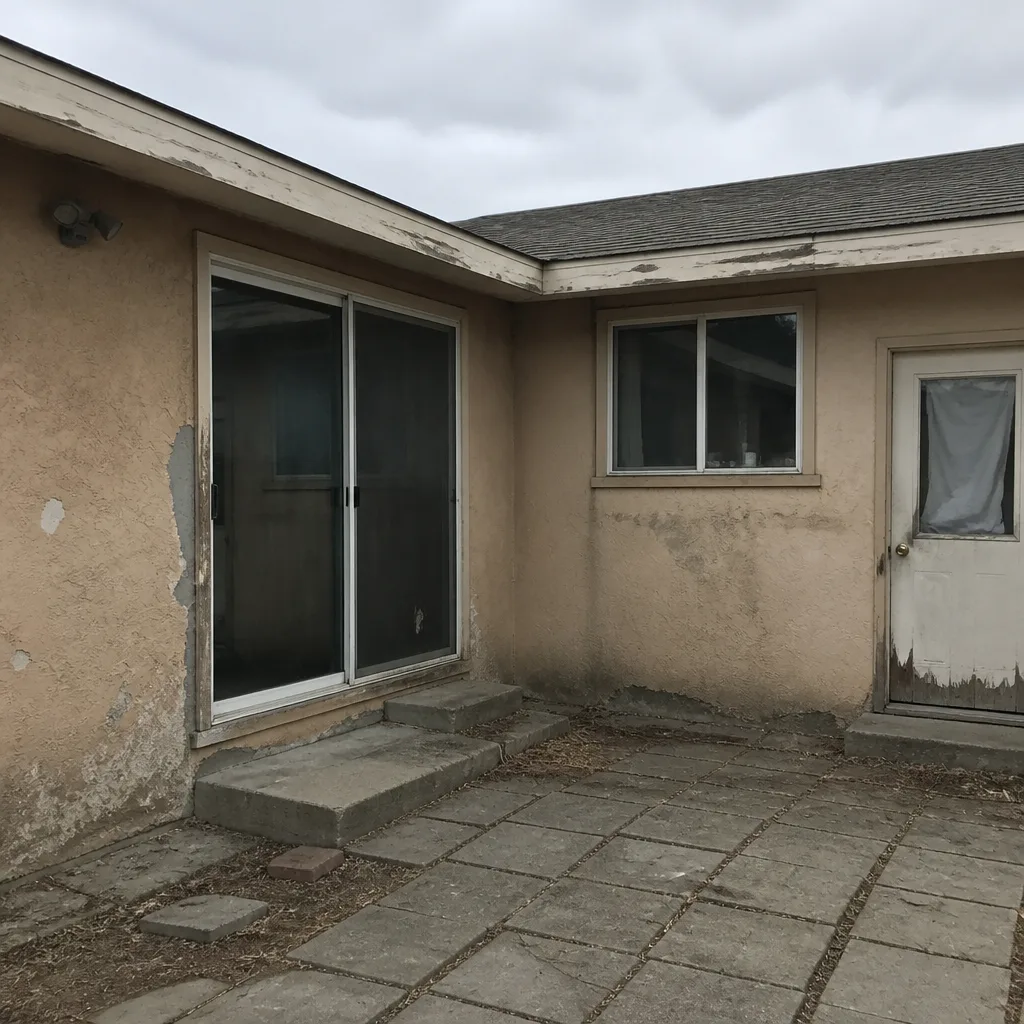 Before
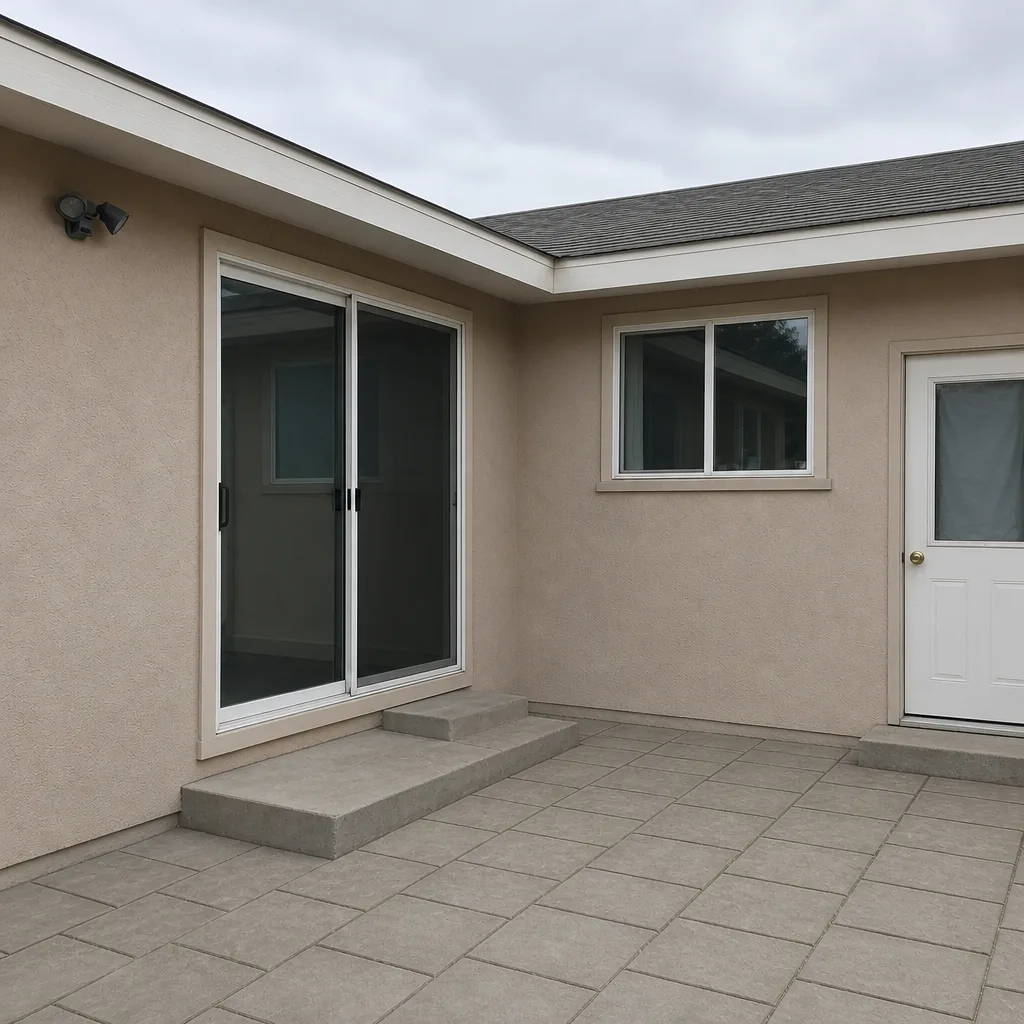 After
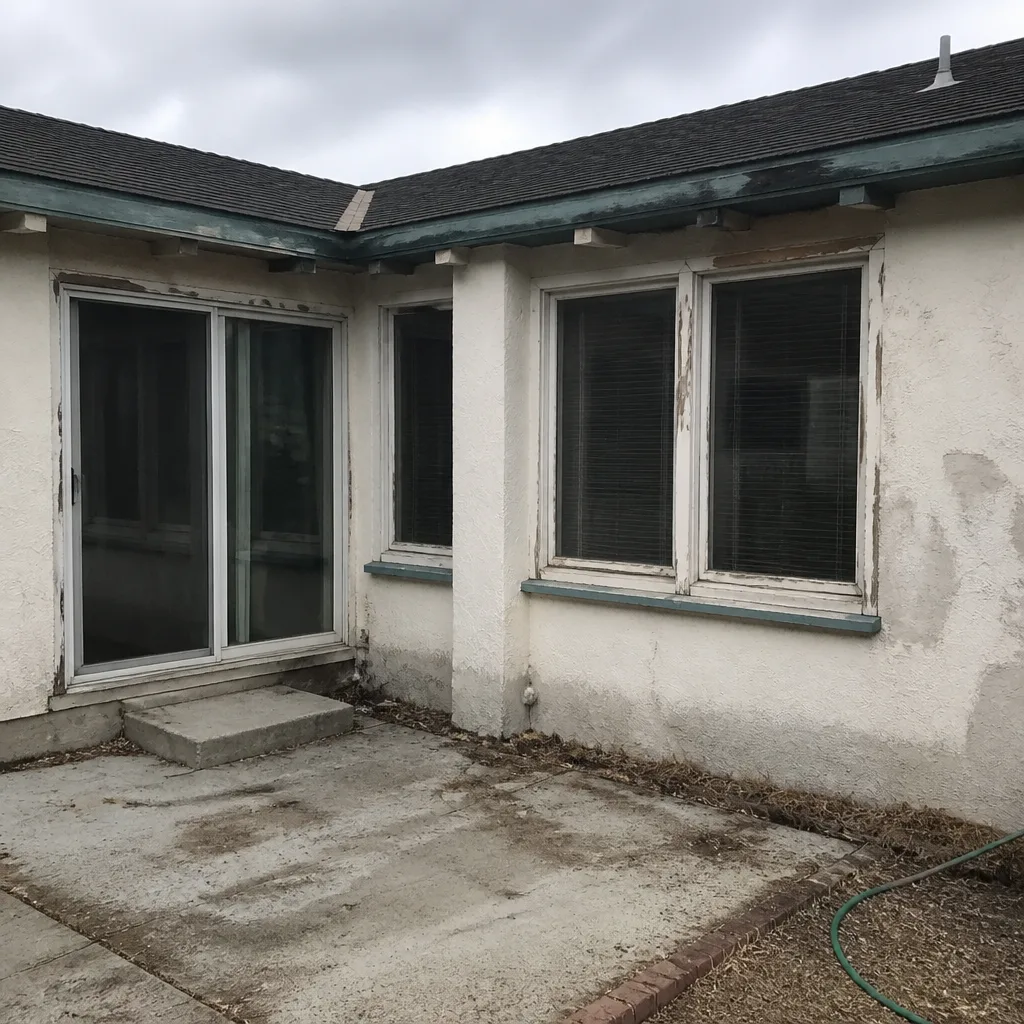 Before
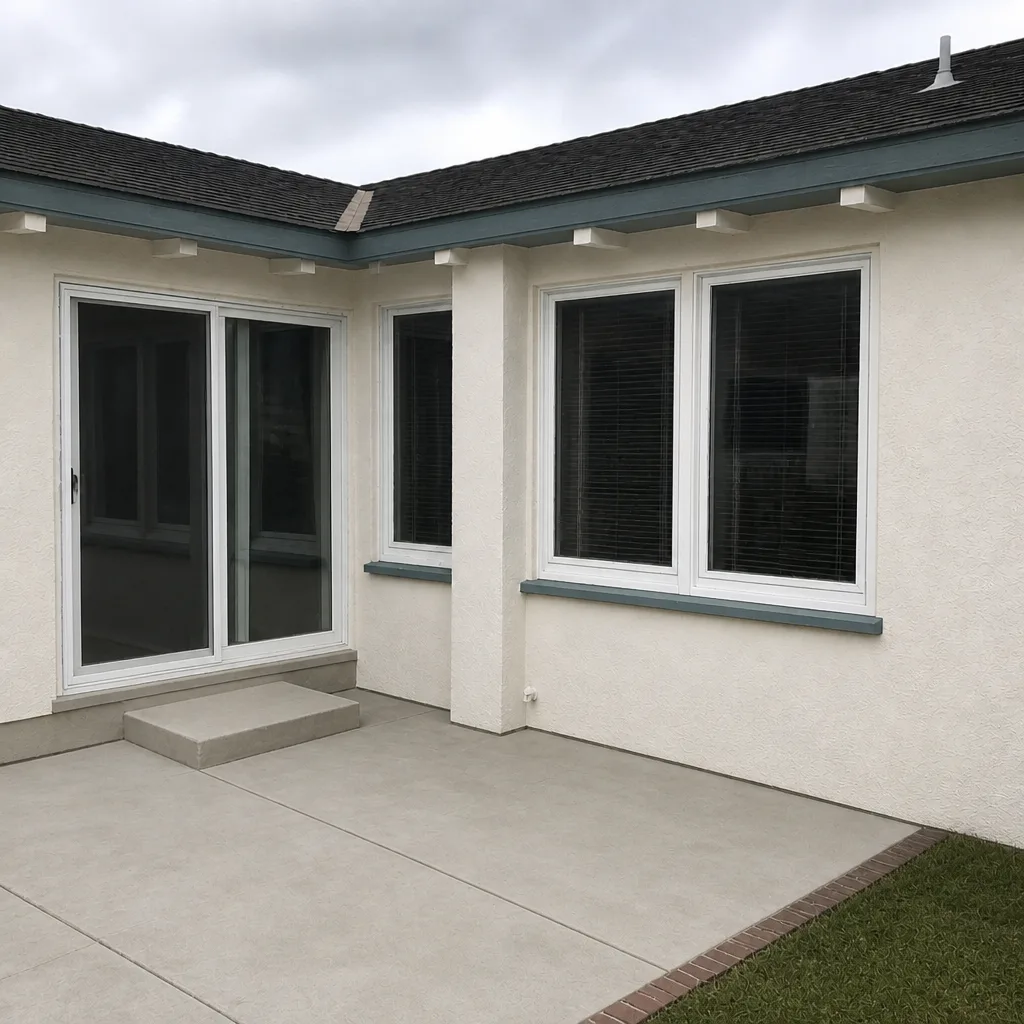 After
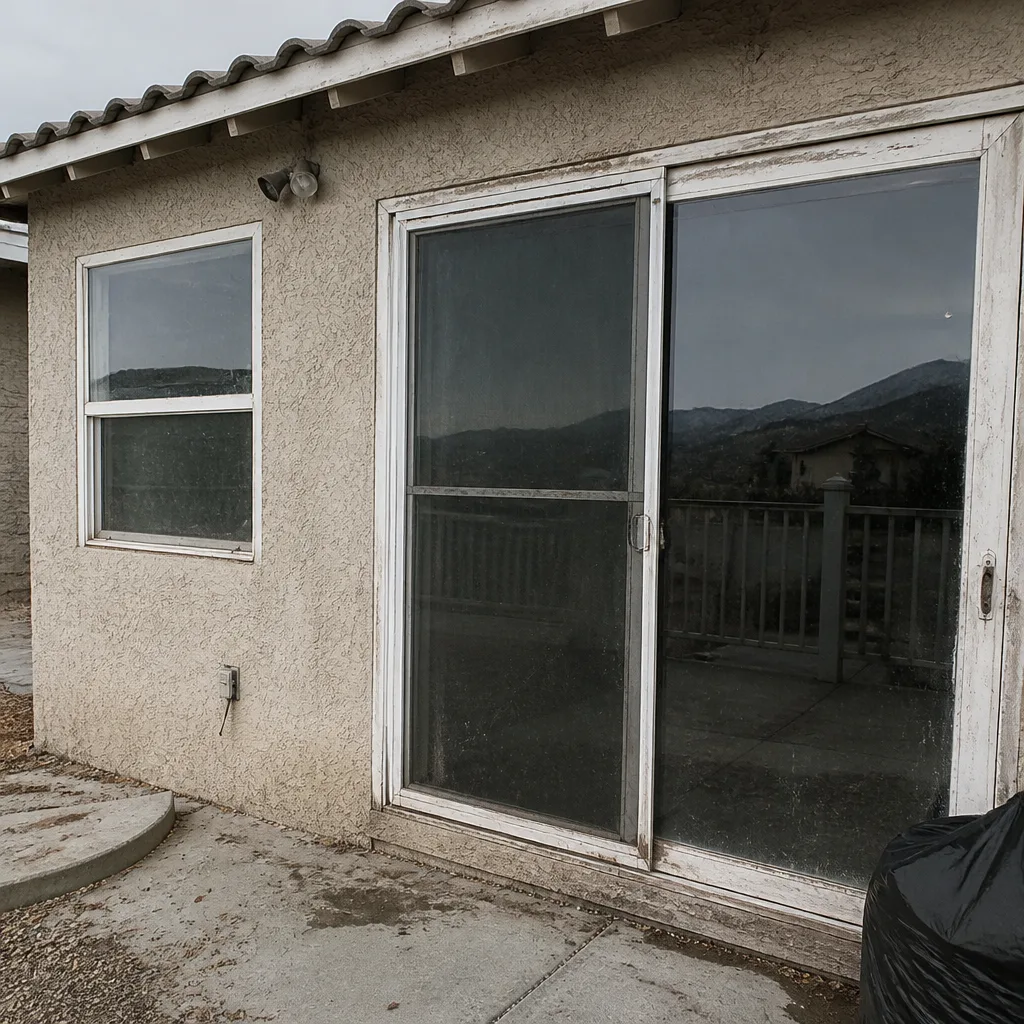 Before
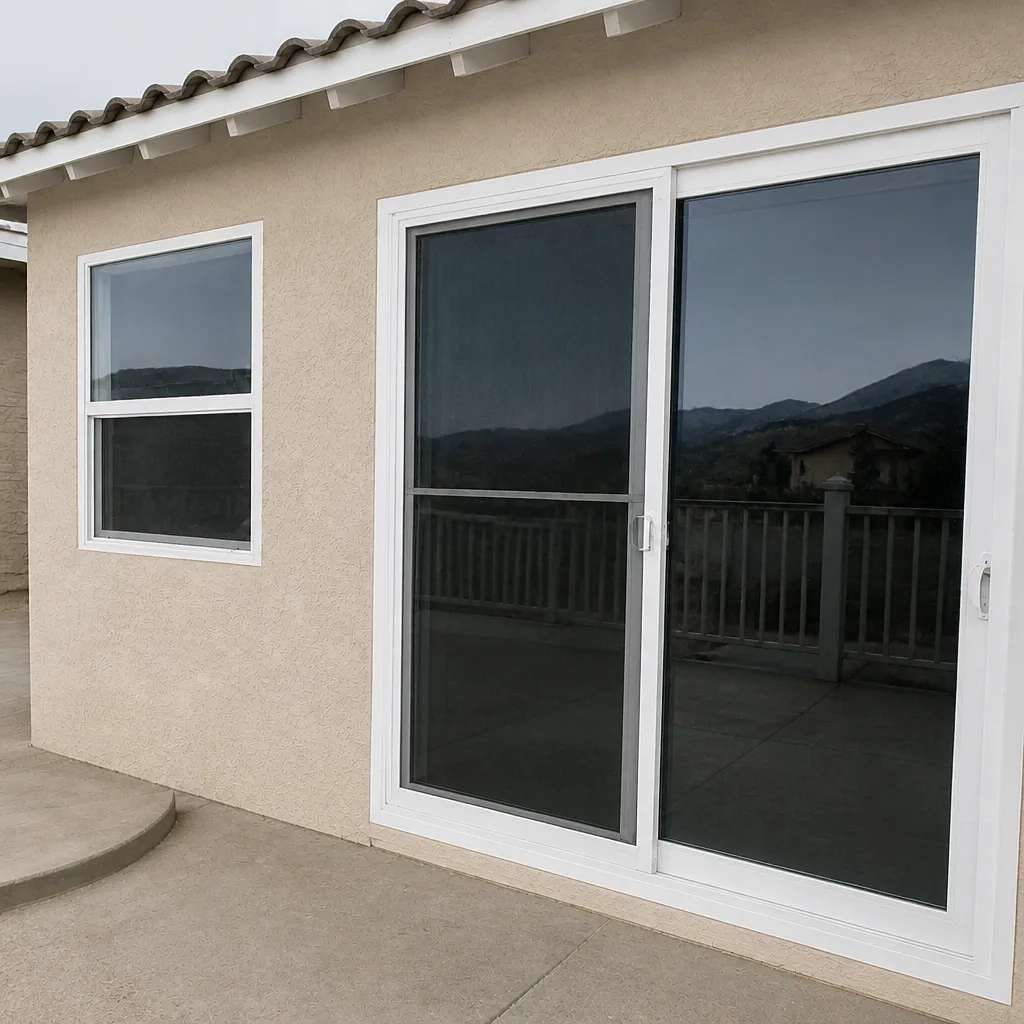 After
Common Mistakes to Avoid
- Treating a fogged window as cosmetic. A seal failure is an energy problem and a moisture risk to the frame, not a cleaning problem. Waiting a year costs more than addressing it while the frame is sound.
- Forcing a sticking door or window. Pushing through flexes the frame, cracks the finish, and can worsen the hardware you’re trying to save. Diagnose first.
- Replacing a window in an actively moving opening. If the crack at the corner is still growing, a new unit can bind or fail the same way. Diagnose the cause before you treat the symptom.
- Skipping the dollar bill test. A quick perimeter check at every operable unit is the difference between fixing a gasket and replacing a window you didn’t need to.
- Caulking over a water stain without finding the source. Sealing a leak you haven’t located traps moisture inside the frame or wall – the rough opening is not the place for guesswork.
- Ignoring the trim below the sill. Bubbled paint or soft wood at that joint is often the first visible sign of the rough-opening leak that did the damage behind the wall.
- Assuming one window’s failure is isolated. In Winchester, seal failures usually show up on the same sun-facing side within a year or two. If one has failed, check them all.
Frequently Asked Questions
Not always. Condensation between panes means the sealed unit has failed, but the frame and the rough opening are often perfectly sound. In many cases the insulated glass unit can be replaced without replacing the entire window assembly. What’s expensive is letting the failed unit sit while moisture reaches the frame or sill. Call (855) 859-2922 for an assessment – estimates are free, and we’ll tell you whether you need a unit or a full window.
Watch the pattern. A door that sticks only in one season, or that rubs at the top or bottom but is square in its opening, is usually a hardware or frame issue. A door that is visibly out of square, plus a growing crack at a corner, plus sticking that gets worse month over month, is the signal to have the opening evaluated before you buy anything. Call us for a free look; if the symptom points to foundation movement, we’ll tell you that’s what it is.
It tells you where the weatherstripping or gasket has lost contact with the frame. If the bill pulls out with no resistance at any perimeter point, the seal is not sealing, and air is moving through. On its own it’s not a cost estimate – it’s a repair map. We’ll check every unit in a free estimate if you want the list before you decide anything.
Light surface condensation on the inside of the glass is normal – it’s indoor humidity meeting a cold surface. Fog inside the glass unit is not normal and means the seal failed. The timing matters in Winchester: a unit that survives winter often fails during the first sustained 100°F-plus stretch. That’s the week to walk the house and check every window on the sun-facing side. Call (855) 859-2922 if you spot one; a free estimate will tell you how many units are affected.
Usually not a same-day emergency, but you want it diagnosed in the next season, not the next year. Desert dust and grit work their way into sliding door tracks and rollers, and a door that drags can usually be corrected with track cleaning, a roller or hardware replacement, or a track repair. The risk is that a dragging door left long enough becomes a damaged track, which is a bigger repair. Call (855) 859-2922 and we’ll estimate it – the trip charge is waived inside our home county, and estimates are always free.
Yes. A replacement window or door is construction work, and it should be installed to code and inspected where the city or county requires it. Any contractor who tells you a permit is unnecessary for a window or door replacement is telling you something about how the job will be done. Our estimates are written line-item, the price you’re quoted is the price you pay with no change-order surprises, and the work carries the 36500-Day Done Right Promise – if it’s not done right, we make it right.
The Bottom Line
Windows and doors are long-term assets, and the warning signs in this guide are your early-warning system for protecting that investment. Fogging means a failed seal; sticking means hardware, frame, or foundation; air infiltration shows up on the dollar bill test; cracks and stains tell you how deep the problem runs. Every one of those signs comes with a repair window before the cost climbs, and the only real mistake is waiting until the symptom becomes expensive. When in doubt, get a free estimate and a straight answer. Winslow Windows & Doors Winchester stands behind every job with the 36500-Day Done Right Promise – the one down the road, with Ed’s name on the door and on every job we do. Call (855) 859-2922 for a free estimate, any hour of the day.
Written by the team at Winslow Windows & Doors Winchester.