
Last updated November 17, 2026
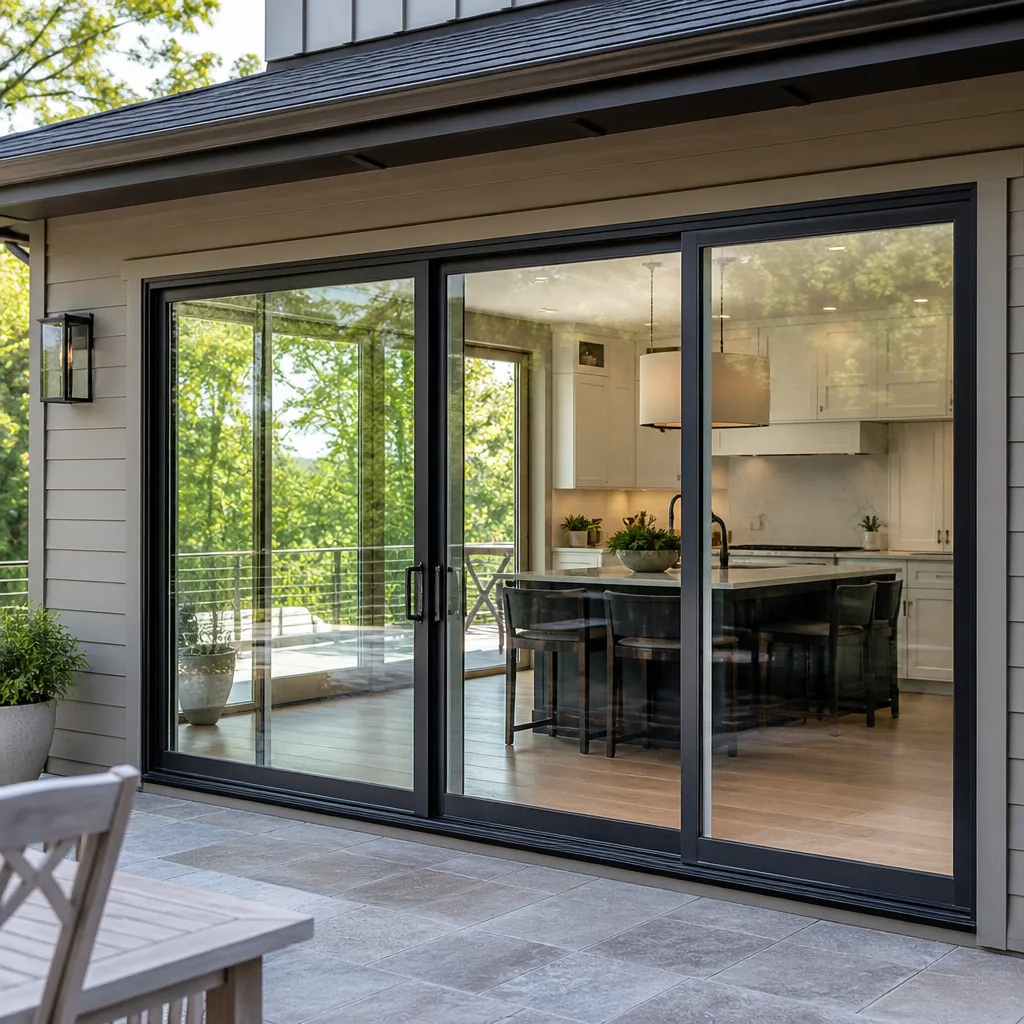 Sliding glass doors
 Single hung
 Double hung
 Horizontal roller
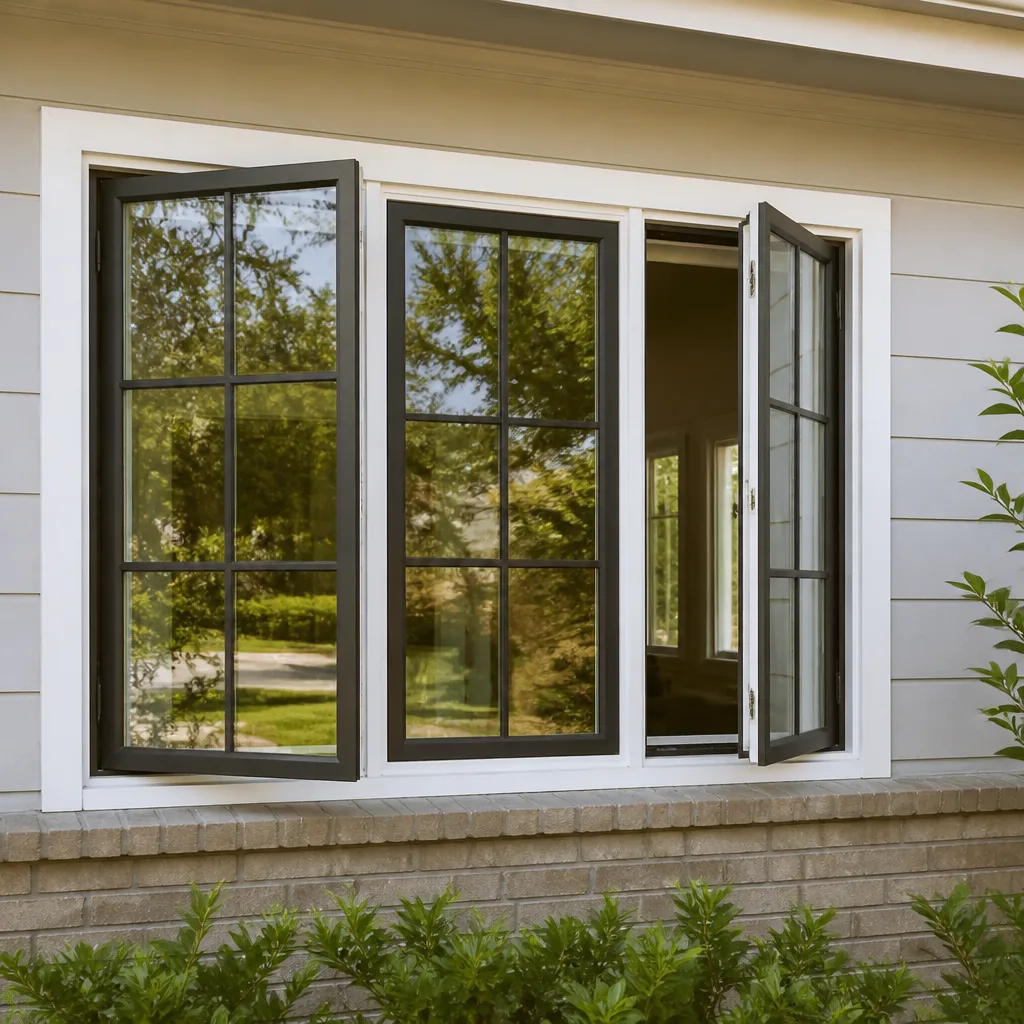 Casement
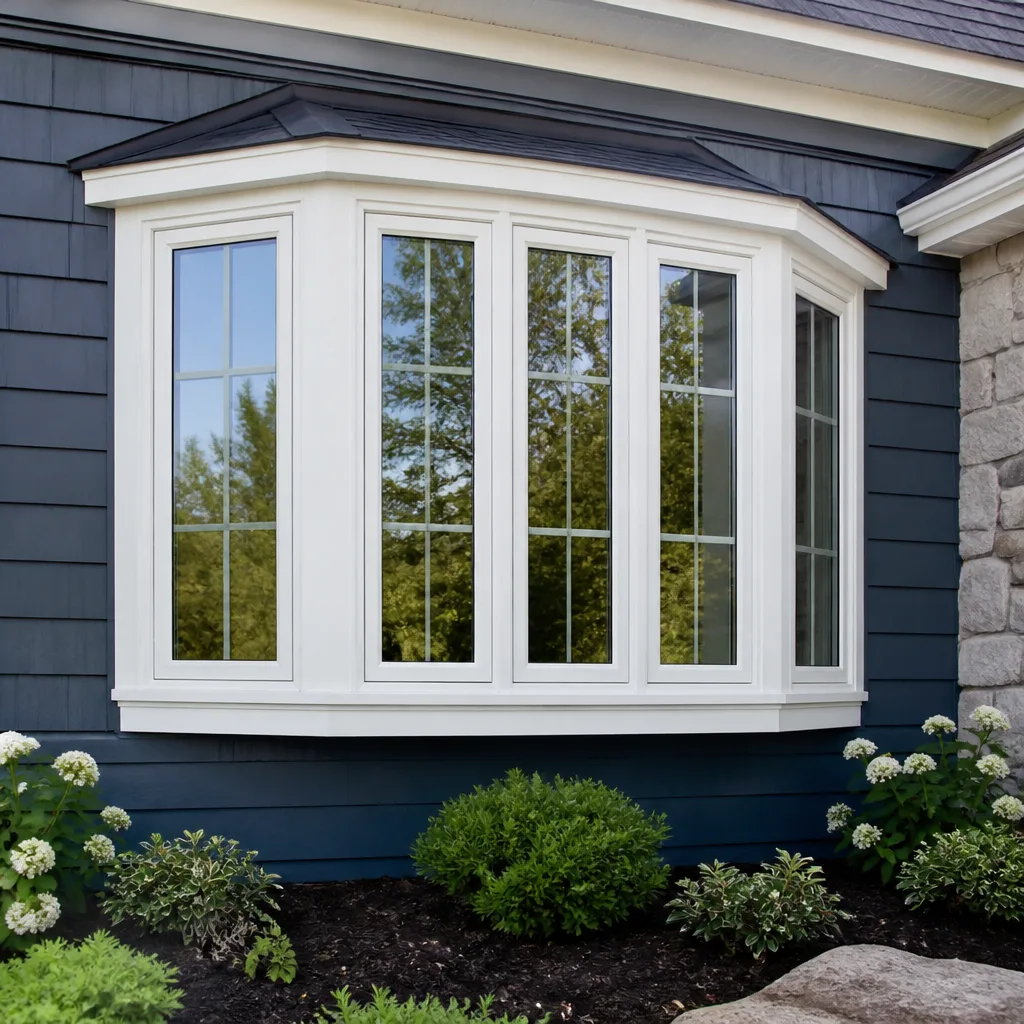 Bay & bow
 Entry doors
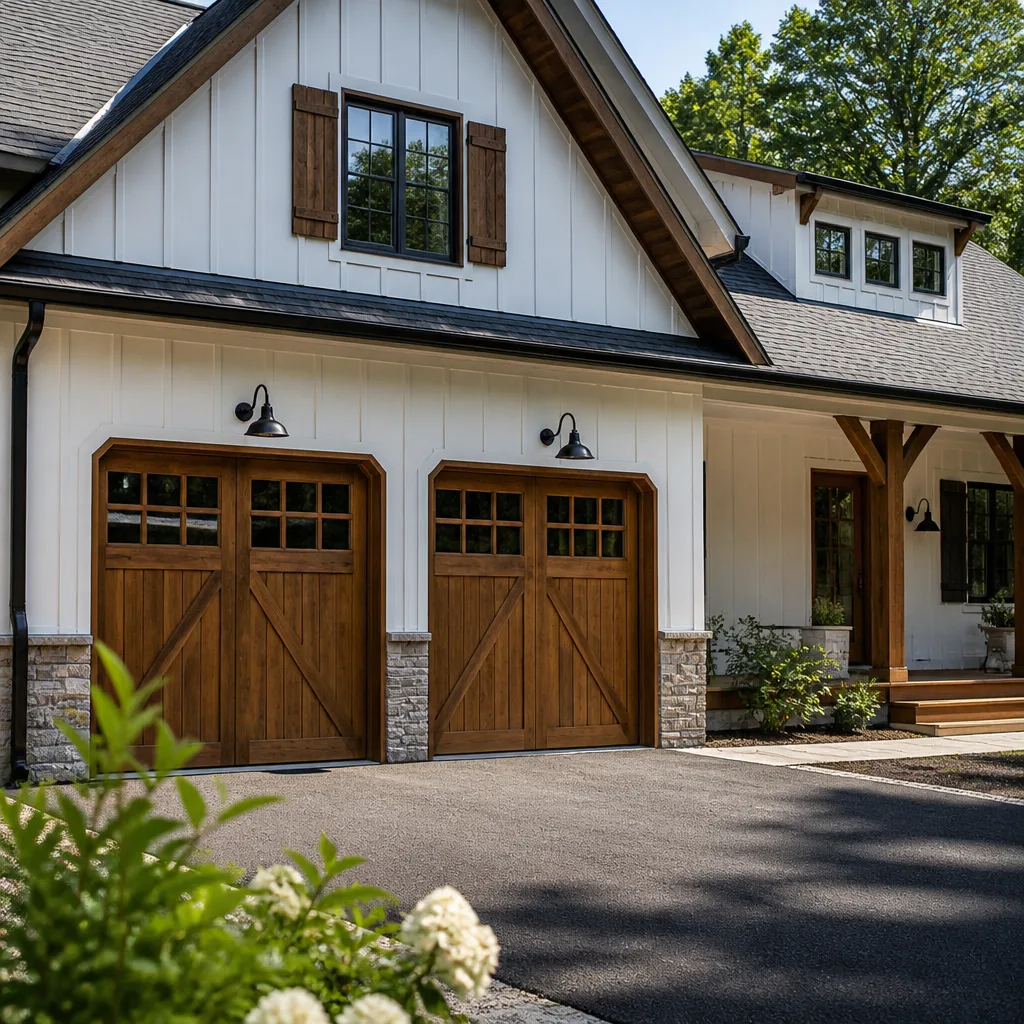 Impact garage doors
 PGT
 CGI
Free in-home measure and quote - PGT, CGI and CWS impact lines compared on your actual openings, style by style
Get your free estimateDIY vs Professional Windows & Doors: The Winchester Homeowner’s Decision Guide
Here’s the number most homeowners never hear before they start shopping for window help: in Nevada, it’s illegal to pay an unlicensed person more than $1,000 in combined labor and materials to install windows in your home. Almost every full window replacement in Winchester clears that threshold before lunch. So “I’ll have my brother-in-law do it” isn’t a clever way to save a few bucks – it’s a legal exposure you’re voluntarily taking on. This guide breaks down what the licensing rules actually say, how manufacturer warranties react to uncertified installation, what a real installer does during rough-opening prep that a video can’t teach, and the total-cost math for a Winchester home. If you’ve ever wondered whether the YouTube route pencils out, this is where that question gets an honest answer.
Quick Answer
For most Winchester homeowners, professional installation wins the math once permit liability, warranty void exposure, and the resale cost of an unpermitted install are counted. DIY only makes sense for small jobs under Nevada’s homeowner exemption – typically a single door slab, hardware swap, or minor sealing – not for full-frame window or door replacement. The savings from going it alone rarely survive a single failed seal in year three.
Styles & brands we work with
- Single hung
- Double hung
- Horizontal roller
- Casement
- Bay & bow
- Sliding glass doors
- Entry doors
- Impact garage doors
- PGT
- CGI
Table of Contents
- What Nevada Law Actually Says About DIY Window Installation
- Why Manufacturer Warranties Die Under DIY Installation
- The Technical Skills Gap: What a Pro Actually Does
- When DIY Door Hardware Replacement Makes Sense
- Five Jobs That Look Simple But Aren’t
- The Total-Cost Model: DIY Savings vs Hidden Exposure
- Why Winchester’s Climate Shifts the Math
- How to Choose a Winchester Installer
What Nevada Law Actually Says About DIY Window Installation
Nevada’s contractor licensing law sets a clear line: a homeowner can legally hire an unlicensed person for work totaling $1,000 or less in combined labor and materials. Cross that number and the person doing the work needs a valid contractor’s license issued by the Nevada State Contractors Board. Window replacement in a typical Winchester home runs well past $1,000 per opening, so unless you’re tackling one small window yourself as the actual homeowner, you’re in licensed-contractor territory.
There’s an important distinction in the statute. A homeowner can pull their own permits and do their own work on their primary residence in most cases. What’s prohibited is hiring an unlicensed person to do it for you. That’s the part that trips people up. The homeowner exemption does not extend to your friend with a truck, your cousin who’s “good with tools,” or a handyman who says he’s been doing windows for years but can’t show a license.
What the Nevada State Contractors Board expects on a legal window or door replacement:
- A licensed contractor with an active license in the correct classification for the work
- Permits pulled with the local jurisdiction – in Winchester, that’s handled before any framing gets touched
- Required inspections after rough-in and again at final
- Written contracts and mechanics lien disclosures where applicable
- Proof of workers’ compensation and general liability insurance
The upside of pulling permits is real. Permitted installs get recorded with the jurisdiction, which shows up cleanly in a title search at resale. Unpermitted work often doesn’t. When a buyer’s inspector finds a window replacement that was never permitted, the question of whether it was done correctly lands on you – and the negotiation usually costs more than the permit would have. Call (855) 859-2922 for a free estimate and we’ll walk you through the permit path for your Winchester address.
Why Manufacturer Warranties Die Under DIY Installation
Here’s what almost no one reads in the fine print: the manufacturer warranty on a PGT, Therma-Tru, or Mr-Glass product usually requires installation by a certified or licensed installer. Not just a licensed contractor – often a specifically certified installer for that product line. When the manufacturer, the warranty administrator, and the product sitting in your wall are all separate parties, the paper trail matters more than the craft.
What does that look like when something fails? A sealed unit in a PGT impact window can run several hundred dollars for the glass alone. If the seal fails in year three from what the manufacturer determines is improper installation, the warranty claim goes back to you, not the manufacturer and not the installer who wasn’t certified to begin with. You pay for parts and labor out of pocket on a window you thought was covered for years.
The same pattern plays out on doors. Therma-Tru builds a strong warranty into their product lines, but the warranty administrator will ask for the installation record. No installer certification on file, no coverage. It’s not a technicality. It’s the exact clause that determines who pays when a door slab warps or a sill rots from a bad seal.
The practical breakdown:
- Window glass seal failure in year 3: Without certified installation history, expect a warranty denial – several hundred dollars out of pocket per unit.
- Frame or sill water intrusion from improper flashing: Almost always excluded because the failure is attributed to installation, not product defect.
- Door slab warpage from humidity or improper shimming: Denied if installation documentation isn’t on file with the manufacturer.
- Impact glass cracking under normal use: Reviewed case by case, but missing install records usually sink the claim.
Authorized installers carry that paper trail for you. Through our relationships with PGT, CGI, Therma-Tru, and the other brands we install, the certification path stays documented from day one. That’s more than convenience – it’s the difference between a warranty that works and one that quietly doesn’t. If you’re still in the research stage, our Window Replacement in Winchester page walks through warranty coverage and brand options in more detail.
The Technical Skills Gap: What a Pro Actually Does
A YouTube tutorial shows you how to remove a window and set a new one. What it doesn’t show is the half hour before you see anything being removed. That half hour is where most of the failure risk lives, and it’s the part DIY homeowners skip because it doesn’t look like progress.
Here’s the real sequence a professional installer runs before any new unit goes in:
- Assess the rough opening. Check for rot, settle cracks, and whether the framing is square and plumb within tolerance. Desert homes built before 2005 frequently have out-of-square openings from slab movement, and a window that goes in crooked will leak from day one.
- Repair or rebuild the opening. Scrape and treat any rot, sister in new framing where the old studs are compromised, and level the sill. This is where the “hidden cost” of a professional install actually lives, and it’s also where DIY budgets collapse.
- Apply flashing in the correct sequence. Sill flashing first, then jamb, then head. Water flows downhill; flashing laps the same way. Reversing this is one of the most common DIY mistakes and one of the fastest paths to wood rot inside a wall.
- Set and shim the unit. Shim points align with the manufacturer’s specified locations – not evenly spaced and not “wherever it looks right.” Correct shimming prevents glass stress cracks and keeps the frame from racking when the door or sash closes.
- Seal and insulate the gaps. Low-expansion foam, not standard expanding foam, and backer rod before caulk. Standard foam can push a frame out of square as it cures.
- Verify operation and finish. Confirm the window or door opens, closes, locks, and sits flush before the trim goes back on.
What we’ve seen across Winchester homes is that steps 1 through 3 are the ones most DIY installs skip or rush, and they’re the ones that decide whether the window lasts twenty years or leaks in two. The drywall goes back on and everything looks fine for a season, then the first real rain event finds the gap. You can see how we approach this process on our Window Installation in Winchester page – it’s not a sales pitch, it’s a list of what actually gets done behind the wall.
When DIY Door Hardware Replacement Makes Sense
DIY isn’t wrong everywhere. There’s one genuinely reasonable category: door hardware replacement only – not the door, not the frame, not the rough opening. Replacing a deadbolt, swapping a knob, upgrading to a keypad handle, adding a peephole or kick plate – those are all within reach of a homeowner with a screwdriver and ninety minutes.
The reasoning is simple. Hardware swaps don’t touch the rough opening, don’t require permits in Winchester, don’t invalidate warranty on the door slab, and don’t involve flashing or sealing the envelope. If you strip a screw, the worst case is a hardware store run. There’s no path from a stripped screw to a rotted sill.
What makes a hardware-only job reasonable:
- The door and frame are staying put
- No new holes are being drilled through the slab beyond existing prep
- You aren’t changing the door’s swing or handing
- The door isn’t part of an impact-rated opening that requires certification
- You’re not altering any sealed or insulated assemblies
Beyond those, the calculus flips. The moment a door gets cut for a pet door, swapped for a different size, reframed, or replaced entirely, you’re in licensed-contractor work under Nevada’s $1,000 threshold – and the warranty math from the previous section kicks in. Call (855) 859-2922 and we’ll tell you honestly whether your job is a hardware swap or a full replacement. We’d rather you save the money than pay us for work you can comfortably do.
Five Jobs That Look Simple But Aren’t
The pattern we see in Winchester is homeowners who’ve successfully handled door hardware assuming the next job is the same difficulty tier. It isn’t. Here are five categories where the surface simplicity hides serious complexity.
1. Full door slab replacement
Buying a pre-hung door and swapping it in looks like a one-person weekend job. The reality is that pre-hung doors rarely fit an existing rough opening without modification, and once you’re shimming, planing, and re-drilling hinges, you’re doing a professional door install with hand tools and hope. An impact-rated Therma-Tru door slab is also a five-to-six-figure warranty claim waiting to happen if the frame isn’t properly squared and flashed.
2. Replacing windows with different size units
Changing from a standard window to a wider slider means altering the rough opening – cutting framing, adding headers, and pulling structural permits. That’s licensed contractor territory regardless of the $1,000 threshold. Doing this without engineering the header load correctly is how people end up with sagging walls two years later.
3. Any window or door where flashing touches the exterior wall
Every full-frame replacement touches the weather barrier on the exterior wall. That’s what flashing does, and that’s where the failure risk concentrates. A single reversed lap – one piece of flashing installed above instead of below – can channel water behind siding for years before you notice the drywall damage inside.
4. Impact-rated assemblies
PGT impact windows and similar products are engineered as a system – glass, frame, and fastening all specified together. Installing them incorrectly doesn’t just void the warranty; it voids the wind-load performance rating. In a high-wind event, an improperly fastened impact window is no more protective than a standard one. If you’re thinking about impact windows for a Winchester property, this is worth reading more on Impact Windows in Winchester before you decide how to proceed.
5. Replacing windows in a stucco home
Stucco siding requires cutting back the finish, installing a proper pan flashing, and re-integrating the weather barrier before the stucco is patched back. Miss any step and the failure point is inside the wall cavity, not visible at the window. Most stucco failures we get called to in Winchester started as an unpermitted window swap that never addressed the flashing.
To see what the full-frame process looks like done correctly, the team at Winslow Windows & Doors Winchester home has a walkthrough. Call (855) 859-2922 for a free second opinion on any quote you already have – we’ll flag the parts that look thin, at no charge.
The Total-Cost Model: DIY Savings vs Hidden Exposure
When the DIY window debate is framed as “save 30 percent on labor,” it’s missing three cost categories that don’t appear on the receipt. Here’s the fuller math for a typical Winchester window or door replacement.
What DIY actually saves
- Installation labor: typically 30 to 40 percent of a pro job
- No permit fees
- No contractor overhead
What DIY actually costs, when things go wrong
- Warranty void exposure: A single failed seal on a PGT unit can run several hundred dollars out of pocket, plus labor to remove and reinstall. That’s the savings from one window gone.
- Permit risk: Unpermitted work discovered by the local jurisdiction can require removal and reinstallation at your expense. The permit was cheap; the retrofit isn’t.
- Resale flag: Buyer’s inspectors routinely note unpermitted window and door work in their reports. In a Winchester resale negotiation, that typically reduces offers or requires credits, often in the range of several thousand dollars on a whole-home install.
- Insurance exposure: Some carriers ask about permitted vs unpermitted improvements when they review coverage. Water damage traced to improper installation may be denied.
- Redo cost: If the first attempt fails, you’re paying for the same materials twice. The 30 percent labor savings was never really a savings.
The pattern we see over and over in Winchester is that the DIY job saves money up front and costs more within three years. Occasionally a homeowner gets a clean result. Most don’t, and the ones who do usually had a construction background. For a full-home replacement where the numbers are already in five figures, the professional route usually pays for the difference in avoided risk alone. Call (855) 859-2922 if you want the numbers walked through specifically for your home – estimates are free, and we do them with line-item pricing, not a range and a handshake.
Why Winchester’s Climate Shifts the Math
Nevada’s desert climate is genuinely hard on windows and doors, and it’s not always in the ways homeowners expect. The specific forces at play in Winchester:
- Extreme UV exposure. Frames, seals, and weatherstripping age faster here than they do in milder climates. Products spec’d for coastal or northern markets sometimes fall short. PGT, ViewLux, and CGI have sun-rated lines designed for this environment.
- Thermal cycling. Daily temperature swings of forty degrees or more are routine. Materials expand and contract twice a day. Improper shimming or a marginal seal fails sooner in Winchester than it would in a coastal climate.
- Sun-baked, out-of-square framing. Homes built before 2005 in Winchester frequently have rough openings that have shifted over twenty summers of thermal cycling. A window that fit the manufacturer’s spec sheet may not fit the reality of the opening.
- Dust and wind-driven grit. Seals that aren’t seated correctly abrade faster here. Flashing that isn’t boned tight will lift from wind exposure.
- Occasional monsoon rain events. When it does rain in Winchester, it rains sideways and hard. Flashing failures that would give you a slow drip in a milder climate give you visible water intrusion on the first major storm.
The practical result is that the technical margin for error is narrower in Winchester than in most of the country. A shim job that would last five years somewhere else might last two here. That’s why the skill gap in the earlier section matters more in this climate than in a mild region – it’s not that professional installation is always necessary, it’s that Winchester conditions punish shortcut work harder than other markets do.
One more factor specific to the market: the older housing stock. If you’re in an established Winchester neighborhood with homes from the 1990s or early 2000s, plan on at least a framing assessment during your project. Even if everything looks fine behind the drywall, a full-frame replacement frequently reveals rot at the sill corners that nobody knew about. That finding changes the scope – and it’s the kind of thing a professional will hand you a written line-item for before any work starts. If your home is older, going through Window Replacement in Winchester is a good starting point to understand what those numbers look like.
How to Choose a Winchester Installer
If you’ve decided professional installation is the right route, the next question is which installer. The DIY-versus-pro calculation doesn’t count for much if the pro you hire cuts the same corners you were going to cut. Here’s what to actually verify in Winchester before you sign anything.
- Verify the license. Look it up on the Nevada State Contractors Board site directly, not just on the contractor’s business card. The license classification should match window and door work. Anyone who can’t hand you a license number to look up is out.
- Ask about permit handling. A real pro pulls the permit and passes the inspections. Anyone suggesting “we don’t need a permit for this one” is inviting you into the same exposure you were trying to avoid.
- Request line-item pricing. You want to see window product cost, labor, flashing, disposal, permit, and any framing repairs as separate lines. If the bid is one lump sum, ask for it broken out. If they won’t break it out, that’s the answer.
- Confirm warranty handling in writing. Manufacturer warranty coverage should be spelled out – product coverage length, labor coverage length, and what happens if a glass seal fails in year three. Get it in the contract, not the brochure.
- Ask about brand certification. For PGT, CGI, and Therma-Tru products specifically, the warranty usually requires certified installation. An authorized installer has that in writing.
- Get a second opinion if you’re unsure. Any written estimate should be second-opinion-friendly. Nobody should object to your asking.
What separates an accountable installer from a contract-signer is usually what happens after the final inspection. Our 36500-Day Done Right Promise exists because we’ve seen what happens when a warranty runs four pages long and nobody picks up the phone in year two. The team at Winslow Windows & Doors Winchester home installs PGT and Therma-Tru products, so the manufacturer and installer certifications line up on the same paperwork. Call (855) 859-2922 and a live person will pick up – any hour, any day – to talk through your Winchester project.
Common Mistakes to Avoid
- Hiring an unlicensed installer under the $1,000 threshold assumption. Most full window replacements in Winchester clear the threshold before any trim work. If the work is over $1,000 in labor and materials, the person doing it needs a license, and the homeowner is the one holding the bag if there’s an issue.
- Skipping the permit because “it’s just windows.” Unpermitted work is a resale flag and may need to be redone by the jurisdiction. The permit is the cheapest line item on the whole job; skipping it changes the resale math entirely.
- Buying product from a big-box store without checking installer certification. The window may be the correct model, but without a certified installer on record, the manufacturer warranty may be void from the first day. Confirm installer certification before you buy, not after.
- Installing full-frame windows without a framing assessment. Winchester’s out-of-square framing is well documented in homes built before 2005. Putting a new unit into a rough opening that isn’t square is a guaranteed leak within a few monsoon seasons.
- Treating impact windows like standard windows. Impact-rated assemblies are engineered as a complete system. Improperly installing one voids the wind-load rating, which is the entire reason you bought it. Leave impact work to a certified installer.
- Accepting a lump-sum bid with no line-item breakdown. You can’t evaluate a bid you can’t read. Line-item pricing protects you against scope creep, surprise change orders, and the “unforeseen framing” conversation that always seems to appear mid-install. If the bid isn’t broken out, ask for it broken out or walk.
- Assuming a hardware swap and a door replacement are the same difficulty. The first is a genuine DIY win. The second is a rough-opening, flashing, and warranty question. Confusing the two in Winchester is one of the most common causes of door-related water intrusion we see.
See the difference
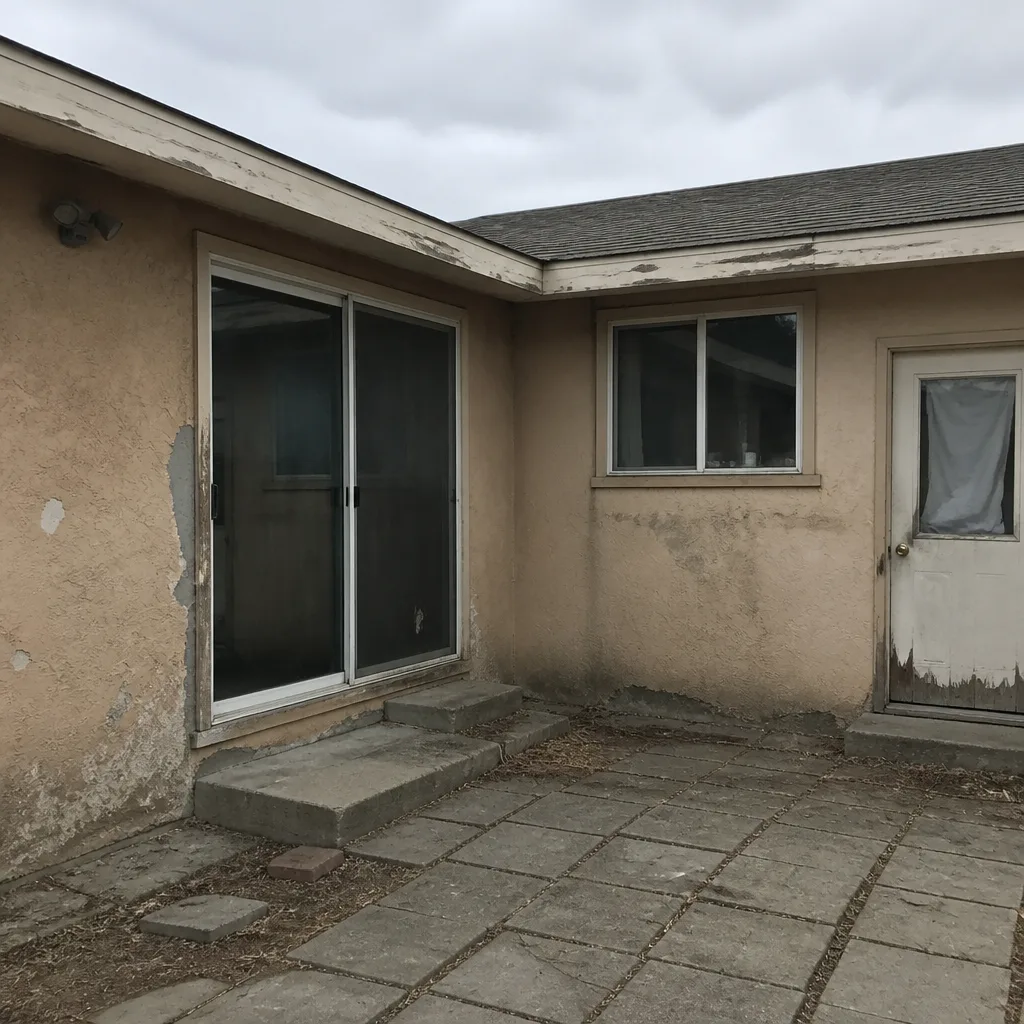 Before
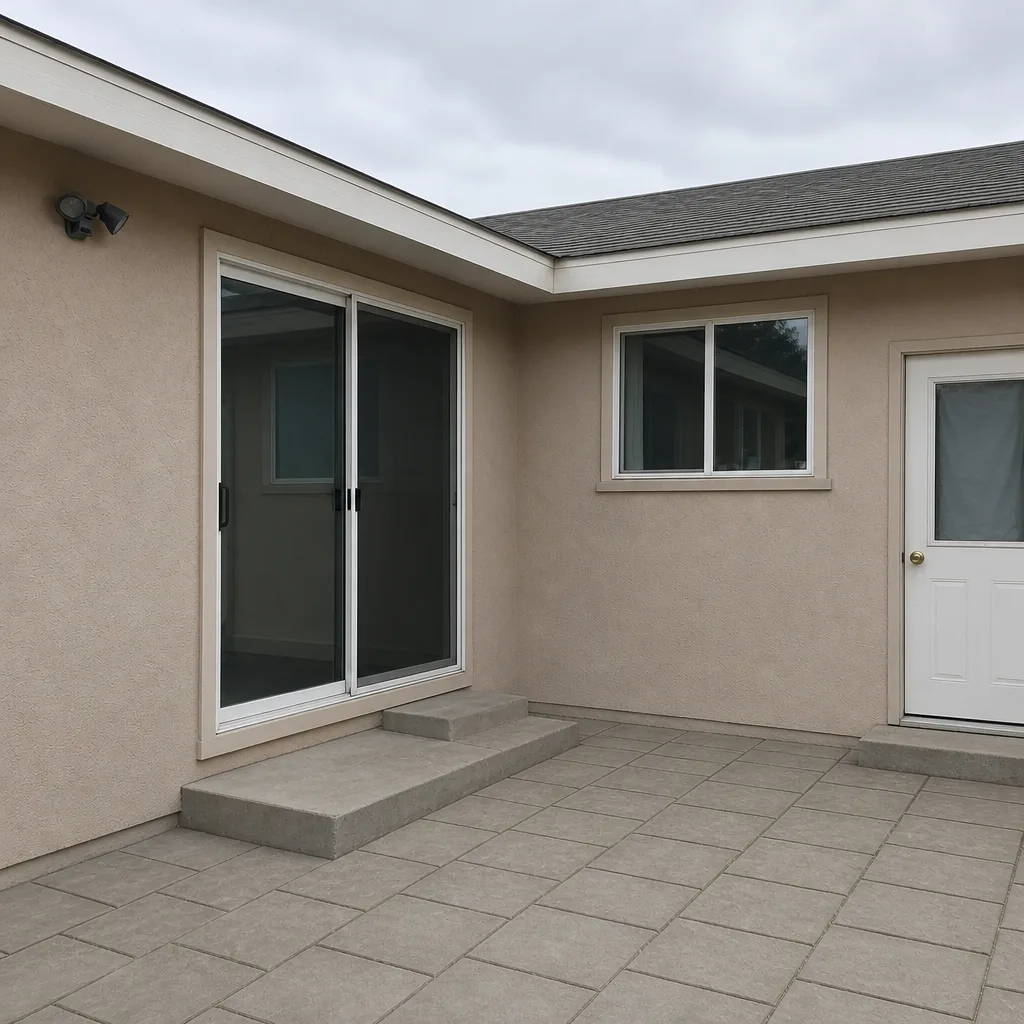 After
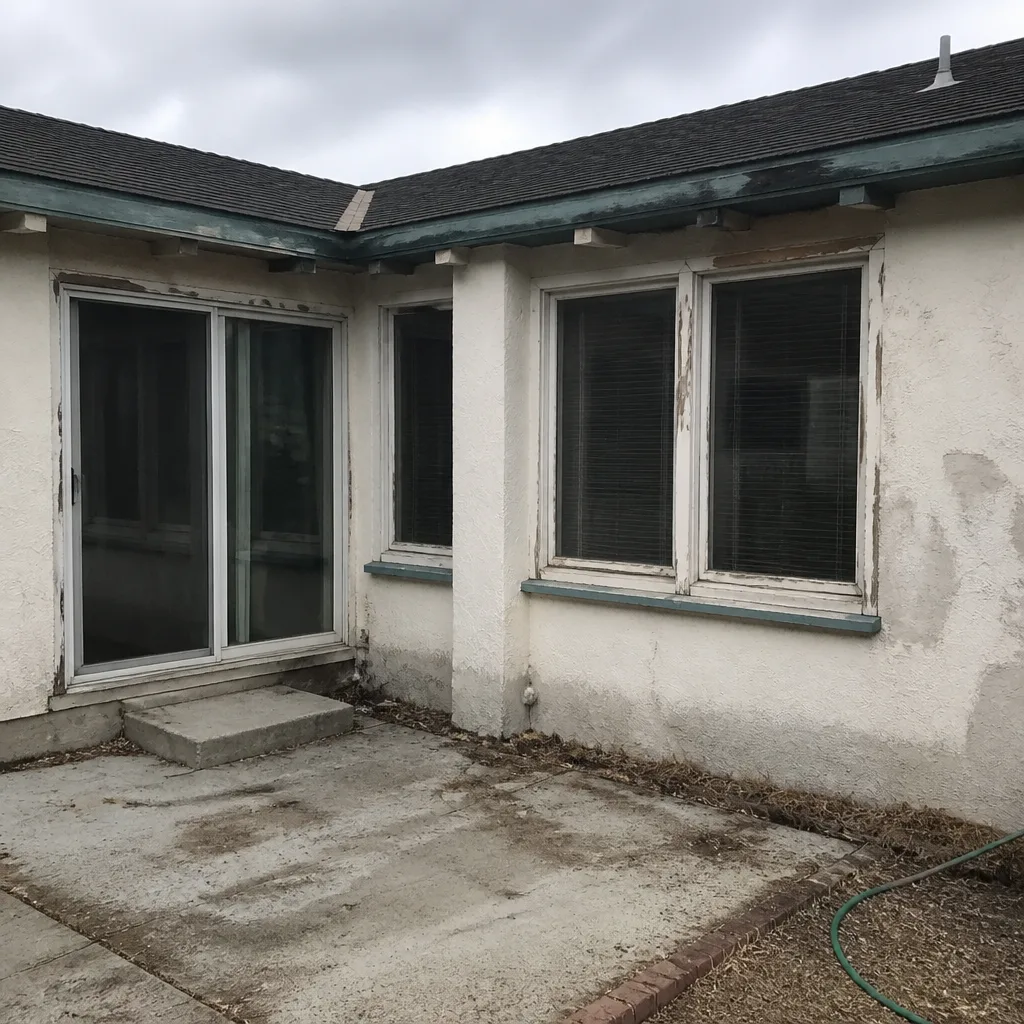 Before
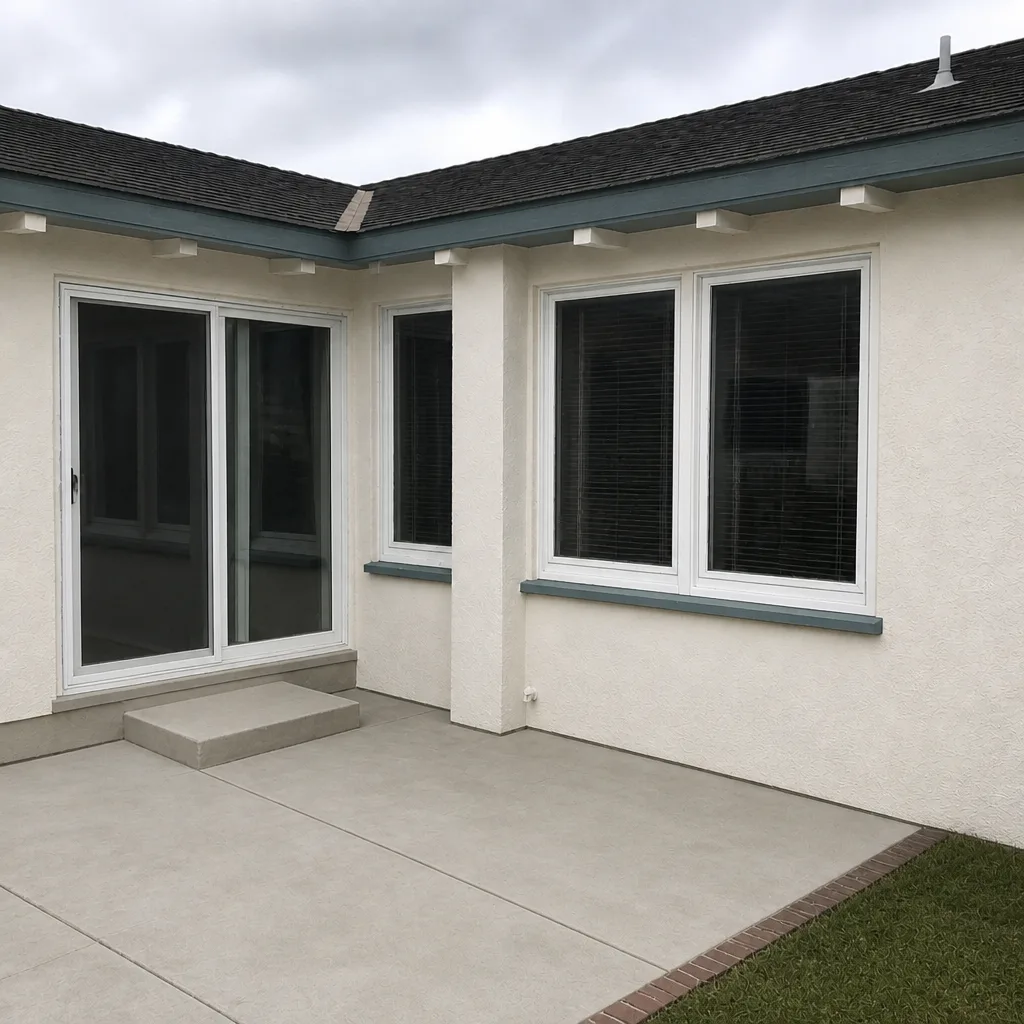 After
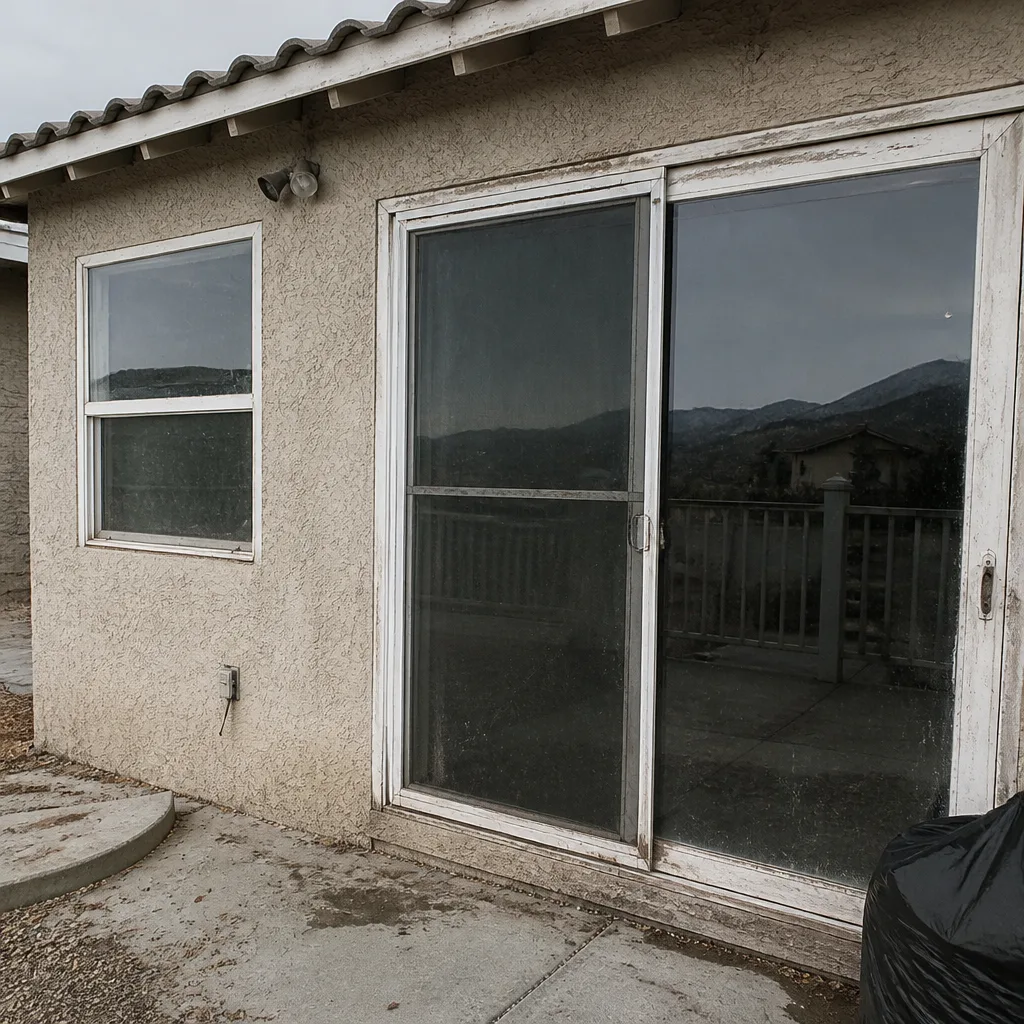 Before
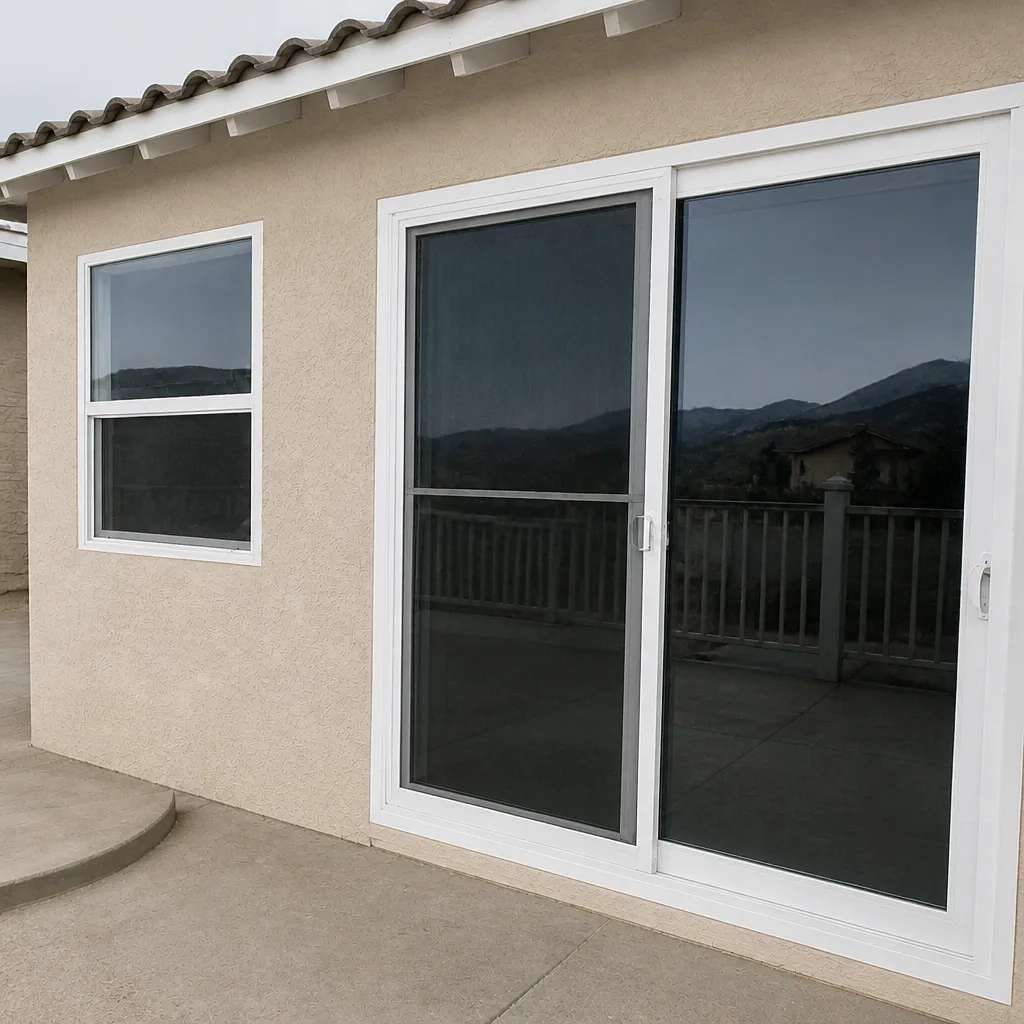 After
When to Call a Professional
The list of “call a professional now” scenarios in Winchester is short and worth memorizing. Call a licensed installer if: the work total exceeds $1,000 in labor and materials (this is most window and door jobs), the job requires touching the rough opening or exterior wall flashing, you’re installing impact-rated assemblies, you’re replacing a full door (not just hardware), or you’re replacing windows in a stucco-sided home. All five are licensed-contractor territory in Nevada, and all five void warranty when done outside the manufacturer’s certification path. Winslow Windows & Doors Winchester offers free estimates in Winchester – call (855) 859-2922 and we’ll tell you straight whether your job needs a pro or if it’s genuinely DIY-appropriate. We’d rather you save the money than talk you into a project you don’t need.
Frequently Asked Questions
Yes – a homeowner can usually pull their own permits and do their own work on their primary residence, but hiring anyone else requires a licensed contractor once the job exceeds $1,000 in combined labor and materials. The threshold is the key number. If you’re replacing one small window yourself and everything stays under $1,000, you’re within the homeowner exemption. Once the job crosses that line, or involves a hired helper, you need a licensed contractor. For most Winchester replacements, you’re past the threshold on the first or second window. Call (855) 859-2922 for a free estimate and we’ll walk through whether your specific job falls inside the exemption.
Usually yes, for major brands. PGT, CGI, and Therma-Tru warranties typically require certified or licensed installation to remain valid, and the warranty administrator will ask for installation records during a claim. If you installed the product yourself, the claim almost always gets denied as an installation issue rather than a product defect. The failure doesn’t have to be caused by you – once the certification path isn’t documented, the warranty coverage is off the table regardless. Call (855) 859-2922 for a free second opinion on any written estimate before you commit to a route.
Full-frame window installation in Winchester typically runs into the several-thousands-of-dollars range for a mid-sized home, with line-item pricing that covers window product, labor, flashing, disposal, permit, and any framing repairs revealed during the job. Per-window pricing depends heavily on size, brand, and whether any structural repair is needed once the old unit comes out. Impact windows price higher than standard windows, and doors price separately. We do written line-item quotes so you can see exactly what each piece costs. Call (855) 859-2922 and we’ll price your specific Winchester job for free.
The buyer’s inspector will typically flag it, and the negotiation usually costs the seller more than the permit would have. Unpermitted window and door work is one of the standard items home inspectors look for in Winchester, because it’s easy to verify against the jurisdiction’s permit records. The buyer’s leverage in that conversation is real, and the seller often ends up providing a credit or reducing the price to compensate. Occasionally the jurisdiction requires re-opening walls to inspect the job, which is far worse than pulling the permit in the first place. Call (855) 859-2922 and we’ll quote the permit-inclusive path so you’re not exposed at resale.
Yes – hardware-only swaps are one of the few genuinely DIY-appropriate window and door jobs in Winchester. Replacing a deadbolt, a knob, or a handle doesn’t touch the rough opening, doesn’t require permits, and doesn’t affect warranty on the door slab. The line to watch is the $1,000 threshold and whether the job stays hardware-only. The moment you’re cutting the door slab for a pet door, changing the swing, or replacing the door entirely, you’re into licensed-contractor work and warranty questions. Call (855) 859-2922 if you’re not sure which side of that line your job is on – we’ll tell you honestly.
Extreme UV exposure, forty-degree daily temperature swings, and sun-baked out-of-square framing punish shortcut installation harder in Winchester than in most markets. The thermal cycling alone will find any marginal seal or shim job within a few seasons, and the occasional monsoon rain event gives a flashing failure nowhere to hide. In a milder climate, a slightly off installation might survive five years. In Winchester, the same shortcut can fail within two. That narrower margin for error is why the technical skills gap matters more here than it would in other parts of the country. Call (855) 859-2922 for a free estimate that accounts for local conditions.
The Bottom Line
The DIY-versus-pro decision for windows and doors in Winchester isn’t really a cost question once you count the full picture. Nevada’s $1,000 licensing threshold makes most full replacements a legal question. PGT, Therma-Tru, and CGI warranties make them a coverage question. Sun-baked framing and monsoon-tested flashing make them a technical question. And the resale negotiation on an unpermitted install makes them a long-term financial question. DIY wins only on hardware-only jobs, sealing minor gaps, and small under-threshold work on your own home. For everything else, professional installation usually costs less in real dollars over ten years than the DIY route that looks like it should have saved money. Call (855) 859-2922 to schedule your free estimate – line-item, no surprises on the invoice, and we’ll tell you honestly if your job is one you can do yourself. The one down the road.
Written by the team at Winslow Windows & Doors Winchester.